%20(3)_edited_edited.png)


7 Mistakes You're Making with CRM Automation (and How Boutique Firms Fix Them Fast)
- Peter Casey
- Feb 13
- 6 min read

You invested in CRM automation to streamline your sales process. But if your team is still manually chasing leads, duplicating data entry, or watching qualified prospects slip through the cracks, you're not alone.
Most mid-market companies struggle with the same CRM automation mistakes: costing them hundreds of wasted hours and thousands in lost revenue annually. The good news? Boutique firms specializing in sales automation and pipeline optimization have developed proven fixes that deliver results in weeks, not months.
Here are the seven most damaging mistakes we see: and how the right specialist partner can help you correct them fast.
Mistake #1: Starting with Dirty Data
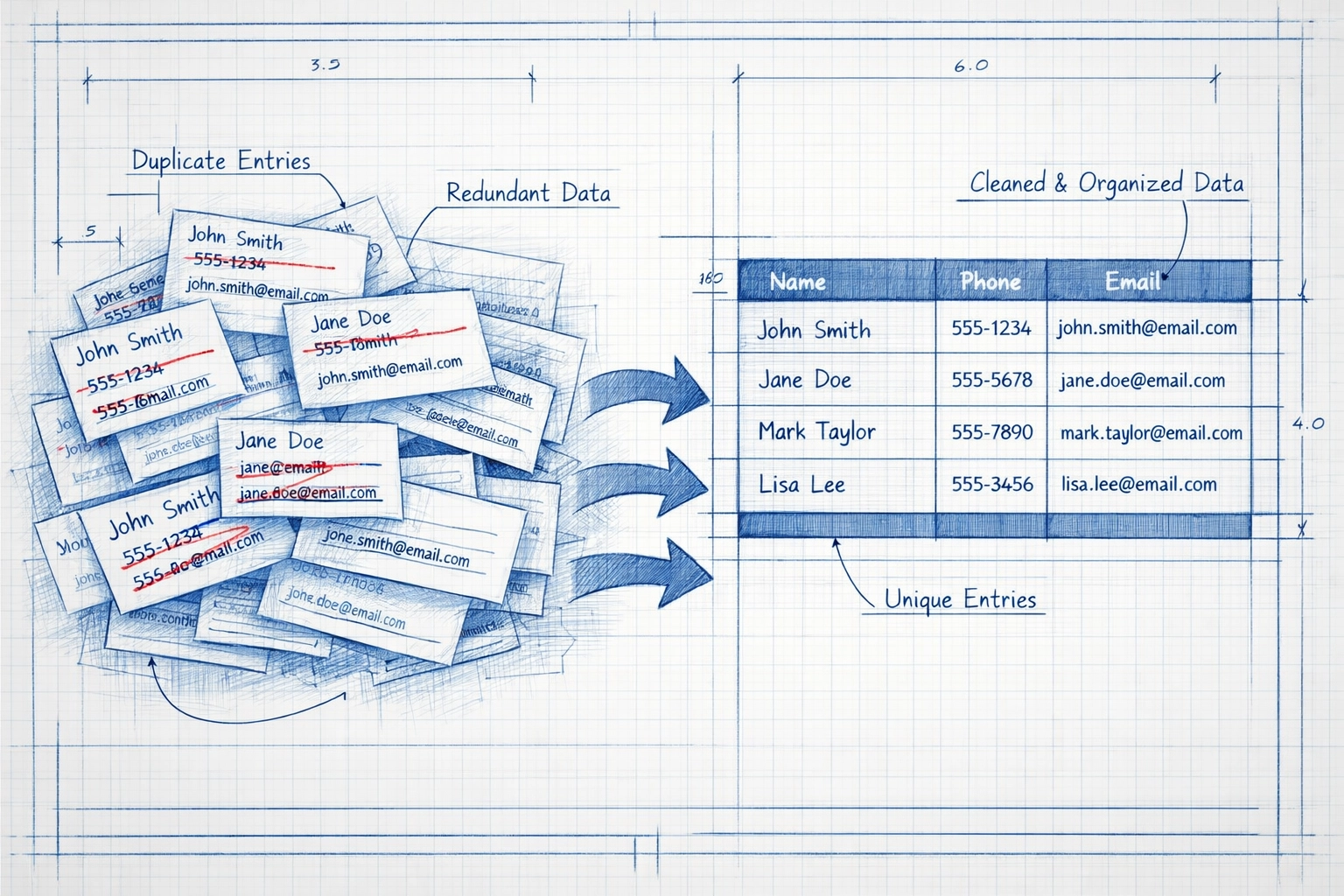
Your CRM automation is only as effective as the data feeding it. When your database contains duplicate contacts, outdated email addresses, and incomplete records, you're building your automation workflows on a foundation of sand.
Research shows that poor data quality costs the average sales representative 550 hours and approximately $32,000 per year. When your automation sends emails to dead addresses or routes leads to reps who left the company six months ago, you're not just wasting time: you're actively damaging your brand reputation.
How Boutique Firms Fix It Fast:
Specialized CRM consultants start with a comprehensive data audit before implementing any automation workflows. They use proven methodologies to cleanse, deduplicate, and standardize your existing database. More importantly, they establish data governance rules and automated validation processes that maintain data quality going forward.
This upfront investment typically takes 2-4 weeks but prevents months of troubleshooting poorly performing automation campaigns.
Mistake #2: Implementing Without Clear ROI Goals
You cannot improve what you do not measure. Many companies deploy CRM automation without establishing baseline metrics or defining what success looks like. This makes it impossible to optimize your workflows or demonstrate value to leadership.
Generic goals like "improve efficiency" or "increase sales" provide no actionable direction for your automation strategy. Without specific, measurable objectives, you're essentially hoping your CRM automation works rather than ensuring it delivers results.
How Boutique Firms Fix It Fast:
Experienced automation consultants begin every engagement by defining 3-5 specific, measurable goals tied directly to revenue impact. Examples include:
Reduce lead response time from 4 hours to 15 minutes
Increase qualified opportunity conversion rate by 15%
Decrease time spent on manual data entry by 20 hours per rep per month
Improve customer retention rate by 8% through automated nurture sequences
These firms establish baseline measurements, implement tracking mechanisms, and create dashboards that display progress in real-time. You know within 30-60 days whether your automation investment is paying off.
Mistake #3: Creating Integration Gaps and Data Silos
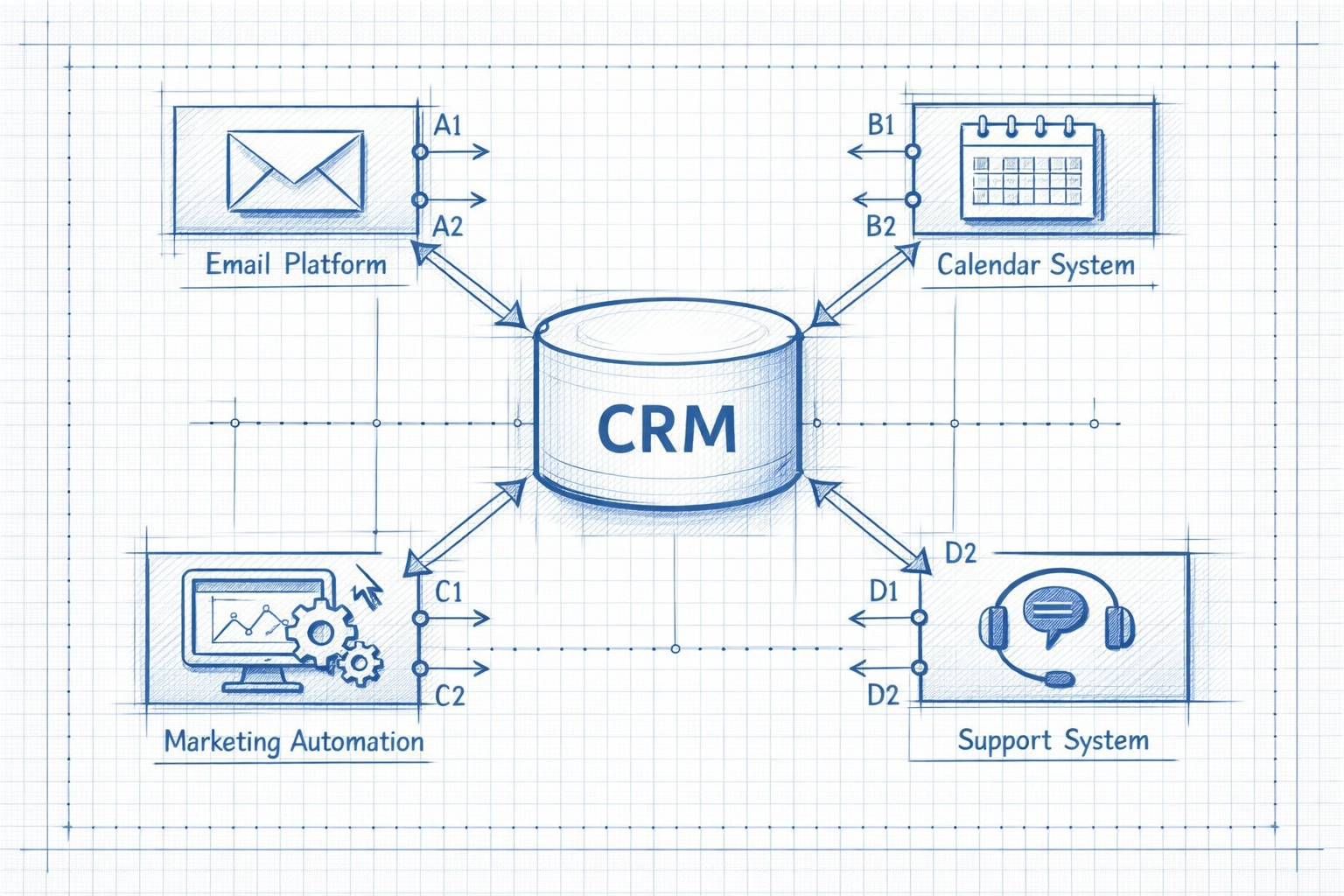
Your sales team uses your CRM. Your marketing team uses their automation platform. Your customer success team has their own support system. When these tools don't communicate, your team wastes hours manually transferring information between systems.
Integration gaps create data silos that limit visibility, slow response times, and create frustrating experiences for both your team and your customers. A prospect fills out a form on your website, but that information takes 24 hours to reach your sales team because someone must manually enter it into the CRM.
How Boutique Firms Fix It Fast:
Pipeline automation specialists conduct a comprehensive technology audit to identify all the tools your team uses daily. They prioritize integrations based on data flow frequency and business impact, typically focusing first on connecting your CRM with email platforms, calendar systems, and lead generation tools.
Rather than building everything at once, they implement integrations in phases: starting with the highest-impact connections and validating data flow before moving to the next integration. This phased approach delivers immediate value while minimizing disruption to ongoing operations.

Mistake #4: Over-Automating Personal Touchpoints
Automation should enhance your relationships with prospects and customers, not replace genuine human connection. When companies automate too aggressively, they create impersonal experiences that feel robotic and generic.
Your prospects can tell when they receive automated emails with merge fields that pull the wrong information or when they're stuck in an endless sequence of generic follow-ups. This approach damages trust and reduces response rates: the opposite of what effective CRM automation should accomplish.
How Boutique Firms Fix It Fast:
Specialists in B2B lead generation services understand where automation adds value and where human interaction remains essential. They design workflows that automate administrative tasks and initial outreach while preserving opportunities for personalized communication at critical decision points.
For example, they might automate the initial lead capture and qualification process, but ensure that high-intent prospects connect directly with a human sales rep rather than receiving three more automated emails. This balanced approach maintains efficiency while preserving the personal touch that closes deals.
Mistake #5: Neglecting User Training and Adoption
The most sophisticated CRM automation setup delivers zero value if your team doesn't use it correctly: or doesn't use it at all. Studies indicate that 63% of CRM initiatives fail, primarily due to low user adoption stemming from inadequate training.
When sales reps don't understand how to leverage automation features, they revert to manual processes and spreadsheets. Your expensive CRM becomes a glorified contact list rather than a revenue-generating engine.
How Boutique Firms Fix It Fast:
Specialized implementation partners prioritize user adoption from day one. They provide role-specific training that demonstrates exactly how automation makes each team member's job easier. Sales reps learn how automation qualifies leads so they spend time on high-value conversations. Sales managers learn how automation provides pipeline visibility without requiring daily status meetings.
These firms also identify internal champions: team members who embrace the new system early and help their colleagues through the transition. This peer-to-peer support typically increases adoption rates by 40-60% compared to companies that rely solely on vendor documentation.
Mistake #6: Building Workflows Around Your CRM Instead of Your Process
Many companies make the critical mistake of forcing their sales process to conform to their CRM's default workflows rather than configuring the CRM to match how their team actually works. This creates friction, reduces adoption, and limits effectiveness.
Your sales process evolved over years based on your specific market, customer base, and organizational strengths. When you abandon that institutional knowledge to follow a generic CRM template, you sacrifice the competitive advantages that made your company successful.
How Boutique Firms Fix It Fast:
Experienced consultants begin by mapping your existing sales process in detail: from initial lead capture through closed deals and ongoing customer management. They identify which steps add value and which represent unnecessary complexity.
Only after understanding your unique process do they configure CRM workflows to support and enhance those steps. This ensures your automation amplifies your existing strengths rather than replacing them with generic best practices that may not apply to your business model.
Mistake #7: Failing to Prioritize and Score Leads Effectively
Your sales team has limited time. When they work leads in chronological order: first in, first served: they waste valuable hours on prospects who aren't ready to buy while high-intent leads cool off waiting for a response.
Research shows that 80% of leads are either mishandled or completely ignored, costing businesses millions in lost revenue. Without proper lead scoring and prioritization, your team cannot distinguish between someone who downloaded a free guide and someone actively evaluating vendors with budget approved.
How Boutique Firms Fix It Fast:
Specialists in appointment setting services implement sophisticated lead scoring models that assign points based on demographic fit, behavioral signals, and engagement patterns. These models automatically route high-scoring leads to your most experienced reps while placing early-stage prospects into nurture sequences.
This approach ensures your team focuses their attention where it matters most. A prospect who visits your pricing page three times, opens every email, and works for a company in your ideal customer profile immediately connects with a sales rep. Meanwhile, someone who downloaded one guide six months ago receives automated nurture content until they demonstrate higher intent.
Making CRM Automation Work for Your Business
The difference between CRM automation that transforms your sales operation and automation that creates more problems than it solves often comes down to expertise and execution. The mistakes outlined above represent just a fraction of the challenges companies face when implementing sales automation and pipeline automation without specialized guidance.
At Bullpen Business, we connect mid-market companies with boutique firms that specialize in CRM automation, sales process optimization, and B2B lead generation services. These specialist partners bring proven methodologies developed across hundreds of implementations: allowing you to avoid common pitfalls and achieve results in weeks rather than months.
Whether you need help cleaning your database, building effective integrations, or implementing lead scoring that actually improves conversion rates, the right boutique partner can deliver faster results at a fraction of the cost of hiring full-time specialists.
Your CRM automation should drive revenue growth, not create additional complexity. When you work with specialists who have solved these exact challenges for companies like yours, you get solutions that work the first time.
Comments