%20(3)_edited_edited.png)


7 Mistakes You’re Making with Sales Automation (and How to Restore Team Capacity)
- Peter Casey
- Apr 17
- 5 min read

![[HERO] 7 Mistakes You’re Making with Sales Automation (and How to Restore Team Capacity)](https://cdn.mar4blism.com/oB9YFn-0BD8.webp)
The promise of sales automation is seductive. For many business owners and sales directors, it suggests a world where leads appear out of thin air, emails write themselves, and revenue grows while the team sleeps.
However, the reality for many mid-market organizations is quite different. Instead of restoring capacity, poorly implemented sales automation often creates a "digital debt." This debt manifests as cluttered databases, alienated prospects, and a sales team that spends more time troubleshooting software than closing deals.
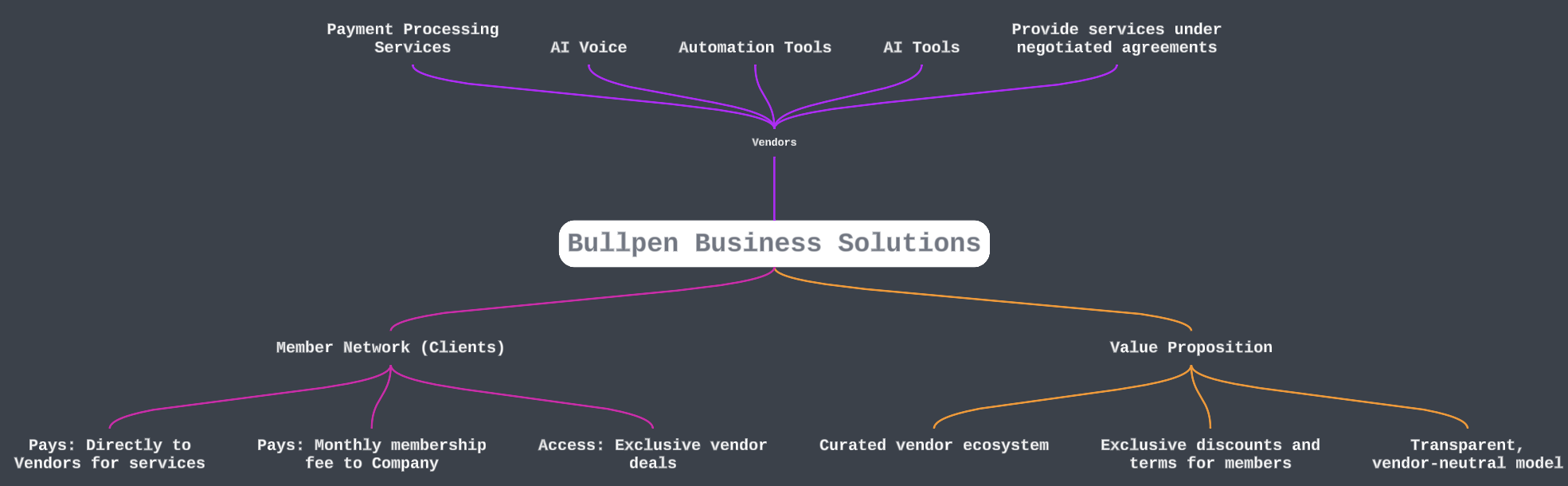
At Bullpen Business, we specialize in helping companies navigate these complexities. By connecting your organization with boutique firms that excel in niche business consulting, we help you replace inefficient systems with streamlined, profitable workflows.
Here are the seven most common mistakes companies make with sales automation and how you can pivot to restore your team's capacity.
1. Automating a Broken or Undefined Process
The most expensive mistake any business can make is automating chaos. If your current sales process is manual and produces inconsistent results, automation will only accelerate those failures.
Many organizations jump into sophisticated pipeline automation before they have a clear understanding of their buyer’s journey. When you automate an undefined process, you lose the human oversight that catches errors before they reach the client.
To restore capacity, you must first document your workflow in its manual state. Identify every touchpoint from the first lead interaction to the final signature. Once the manual process is proven to be effective and repeatable, you can safely apply sales automation to scale it.
2. Neglecting CRM Automation and Data Hygiene
Your automation is only as effective as the data fueling it. "Dirty data": which includes duplicates, outdated contact information, and incorrectly tagged leads: is the primary reason sales automation platforms misfire.
Poor CRM automation practices lead to scenarios where prospects receive "introductory" emails for products they already own. This doesn't just waste time; it actively damages your brand’s reputation.
Restoring capacity requires a commitment to data hygiene. We often recommend implementing validation rules that prevent incomplete data from entering your system. By investing in clean CRM automation, your team stops chasing "ghost" leads and focuses on real opportunities.

3. Removing the "Human Element" from B2B Lead Generation Services
In the B2B world, trust is the primary currency. A common mistake is attempting to automate 100% of the relationship. While B2B lead generation services can identify and warm up prospects, they cannot replace the nuance of a high-level consultative conversation.
When automation becomes robotic and impersonal, response rates plummet. Prospects can smell a generic, automated template from a mile away. This leads to a "burned" territory where your target audience simply stops opening your communications.
The solution is a hybrid approach. Use sales automation for low-value tasks like data entry and initial outreach, but ensure that any transition to a sales rep is seamless and personal. Your team’s capacity is best utilized when they are solving complex problems for clients, not sending 500 manual "just checking in" emails.
4. Fragmented Systems and Integration Gaps
Many companies suffer from "app fatigue." They have one tool for B2B lead generation services, another for appointment setting, and a third for CRM management. If these tools do not communicate effectively, your team ends up as the "manual bridge" between software.
Fragmented systems create silos. When data does not flow freely, sales reps spend hours manually updating records across different platforms. This is the opposite of efficiency.
True pipeline automation requires a unified tech stack. By ensuring your tools are integrated: either through native connections or middle-ware: you restore the hours your team previously spent on administrative reconciliation. Bullpen Business helps identify the right boutique partners to help you bridge these technical gaps.
5. Overcomplicating Appointment Setting Services
Appointment setting services are vital for maintaining a full calendar, but automation here often goes too far or not far enough. A common mistake is creating a "booking hurdle" where prospects must answer ten questions before they can see a calendar.
Conversely, some companies automate appointment setting without any qualifying criteria. This results in a sales team that is "busy" but not "productive," as their calendars are filled with unqualified leads who have no intention of buying.
To restore capacity, your appointment setting services should include automated "gatekeepers." Use lead scoring and brief, automated qualifying questions to ensure that only high-probability prospects reach your sales team’s calendar. You can view our structured approach to these solutions on our services page.
6. Failing to Segment and Personalize at Scale
Mass-blasting your entire database with the same message is a relic of the past. Modern sales automation allows for deep segmentation, yet many businesses still treat their lead list as a single entity.
When you fail to segment, your messaging becomes "vague enough for everyone," which means it is "relevant to no one." This lack of relevance leads to high unsubscribe rates and low conversion, forcing your team to work twice as hard to generate the same amount of revenue.
Effective pipeline automation uses behavioral triggers to segment leads automatically. If a prospect downloads a whitepaper on "cost recovery," your automated follow-up should focus on profitability, not a generic company overview. Personalization at scale is the key to maintaining a high-performance sales engine.
7. Ignoring the Post-Automation Feedback Loop
Sales automation is not a "set it and forget it" strategy. The market changes, buyer behaviors shift, and what worked six months ago might be failing today. A significant mistake is failing to audit the performance of your automated sequences.
Without a feedback loop, you might be automating a message that is actively driving customers away. This creates a hidden drain on team capacity as reps have to spend more time overcoming the negative perceptions created by the automation.
Restoring capacity requires regular intervals of "human intervention." Every quarter, review your automation analytics. Look for drop-off points in your funnels and adjust the messaging. Continuous optimization ensures that your sales automation remains an asset rather than a liability.
The Path to Profitability Through Strategic Partnerships
Correcting these seven mistakes is more than a technical challenge; it is a strategic one. For many organizations, the internal bandwidth to overhaul these systems simply doesn't exist. This is where the Bullpen Business model provides the most value.
We understand that mid-market and Fortune 1000 organizations need specialized solutions that generic software providers cannot offer. By connecting you with our curated network of boutique firms, we provide access to experts in:
CRM Automation: Ensuring your data is clean, accessible, and actionable.
B2B Lead Generation Services: Targeting the right accounts with precision.
Pipeline Automation: Building seamless workflows from lead to close.
Appointment Setting Services: Maximizing the ROI of your sales team's time.
Our goal is to help you reduce "friction" in your business. When your sales automation is handled correctly, your team stops fighting the software and starts focusing on high-value activities that drive profitability.

Final Thoughts on Restoring Capacity
Sales automation should be a force multiplier. If your team feels overwhelmed by the tools meant to help them, it is time to reassess your strategy. Restoring capacity starts with acknowledging where the automation is creating more work than it saves.
By focusing on process definition, data hygiene, and strategic human touchpoints, you can transform your sales department into a high-efficiency revenue engine.
If you are ready to stop making these common mistakes and start scaling your operations with precision, we invite you to explore our pricing plans or meet with our team to discuss how we can connect you with the right boutique solutions for your specific needs.
At Bullpen Business, we don't just provide consulting; we provide the connections that lead to measurable growth. Let us help you restore your team's capacity and reclaim your company's profitability.
Comments