%20(3)_edited_edited.png)


Are Manual Sales Teams Dead? How Sales Automation Restores Capacity Without New Hires
- Peter Casey
- Apr 18
- 6 min read

The landscape of B2B sales has shifted dramatically in 2026. The days of relying solely on manual outreach and administrative-heavy processes are largely behind us.
If your sales team feels overwhelmed, you might assume the solution is to hire more representatives. However, increasing your headcount is often an expensive "Band-Aid" for a deeper, more systemic problem.
In many cases, the issue is not a lack of talent but a lack of capacity. Manual processes act as a silent tax on your team’s time, siphoning away hours that should be spent on high-value closing activities.
This article explores how sales automation and strategic partnerships can restore your team's capacity without the overhead of new hires. We will examine the transition from manual labor to automated efficiency and how Bullpen Business helps you navigate this evolution.
1. The Hidden Cost of Manual Sales Operations
A manual sales team is often a bottleneck in a growing company. When your representatives are responsible for every step of the process, from cold prospecting to data entry, productivity suffers.
Manual data entry in CRM systems is one of the primary culprits. Reps often experience a "dead zone" where a lead's interest is at its peak, but the agent is stuck in preparation mode or administrative documentation.
This lead friction results in "data thinning." Your team may record only the bare minimum information because the administrative burden is too high, especially in fast-paced industries.

A. The Execution Gap
The execution gap is the space between receiving a lead and having a meaningful sales conversation. In a manual environment, this gap is filled with research, manual emailing, and repetitive follow-ups.
B. Capability Variance
Manual teams often see a massive performance gap between their top performers and the rest of the pack. Without pipeline automation, success depends entirely on the individual's ability to stay organized and motivated.
C. Retraining Overhead
Hiring new staff requires significant time and money for onboarding. When processes are manual, you are forced to retrain every new hire on subjective "best practices" rather than feeding them into a proven, automated system.
2. Restoring Capacity via CRM Automation
CRM automation is the foundation of a modern sales department. It transforms your database from a passive storage unit into an active driver of revenue.
By automating the mundane aspects of lead management, you allow your sales reps to focus on what they do best: building relationships. This transition often restores up to 30% of a representative's weekly capacity.
Generally speaking, an automated CRM can handle lead scoring, task assignments, and initial follow-up sequences. This ensures that no lead falls through the cracks due to human error or exhaustion.
You can learn more about how we structure these solutions in The Deck.
3. Enhancing the Top of the Funnel with B2B Lead Generation Services
One of the most significant drains on a sales team’s capacity is the act of cold prospecting. If your high-salaried closers are spending 50% of their time searching for emails, they are not closing deals.
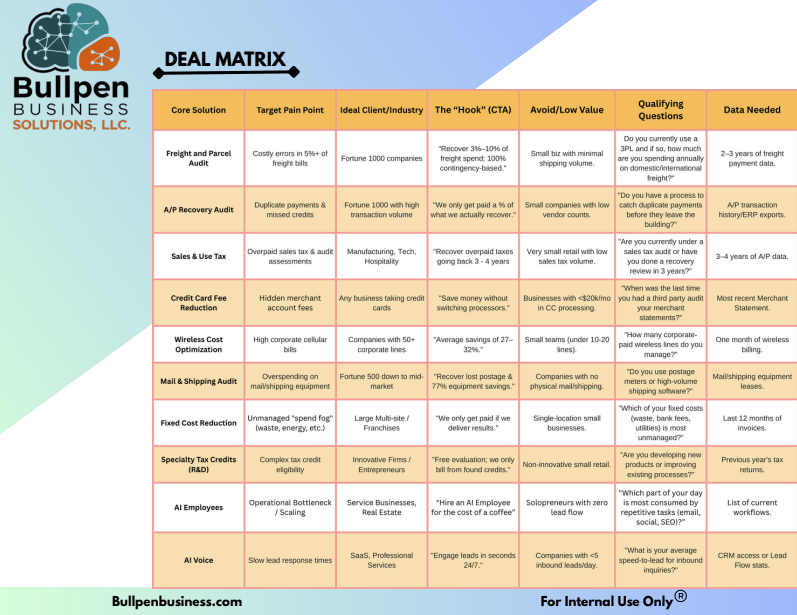
Utilizing specialized B2B lead generation services allows your team to skip the "grunt work." Instead of hunting for leads, your team receives a steady stream of qualified prospects ready for engagement.
A. Strategic Outsourcing
Outsourcing lead generation to boutique firms ensures that your pipeline remains full. These firms use advanced tools and databases that would be too costly for a single mid-market company to maintain.
B. Quality Over Quantity
Automation allows for better filtering of leads. You can set specific parameters so that only leads meeting your ideal customer profile (ICP) ever reach your sales desk.
C. Consistent Pipeline Flow
Manual prospecting is often inconsistent. Reps prospect when their pipeline is empty and stop when they are busy closing, leading to "feast and famine" cycles. Pipeline automation eliminates this volatility.
4. The Role of Appointment Setting Services
Capacity is not just about time; it is about focus. Appointment setting services allow your internal team to focus exclusively on presentations and closing.
By the time a prospect speaks to your senior sales staff, they have already been vetted and scheduled. This removes the administrative friction of back-and-forth emailing to find a meeting time.
When you integrate these services, you are effectively "buying back" the hours your team previously spent on low-probability outreach. This allows your current team to handle a higher volume of deals without feeling burnt out.

5. Why Automation is Not the Death of the Salesperson
There is a common misconception that sales automation seeks to replace the human element. In reality, the goal is the opposite: automation is designed to make the human element more impactful.
When a salesperson is freed from the burden of manual reporting, they can spend more time on empathy, complex problem-solving, and negotiation. These are the areas where humans provide the most value.
Automated playbooks can provide "just-in-time" content to agents during live calls. This supports the agent with the right data at the right moment, increasing the likelihood of a successful outcome.
6. Navigating the Bullpen Business Ecosystem
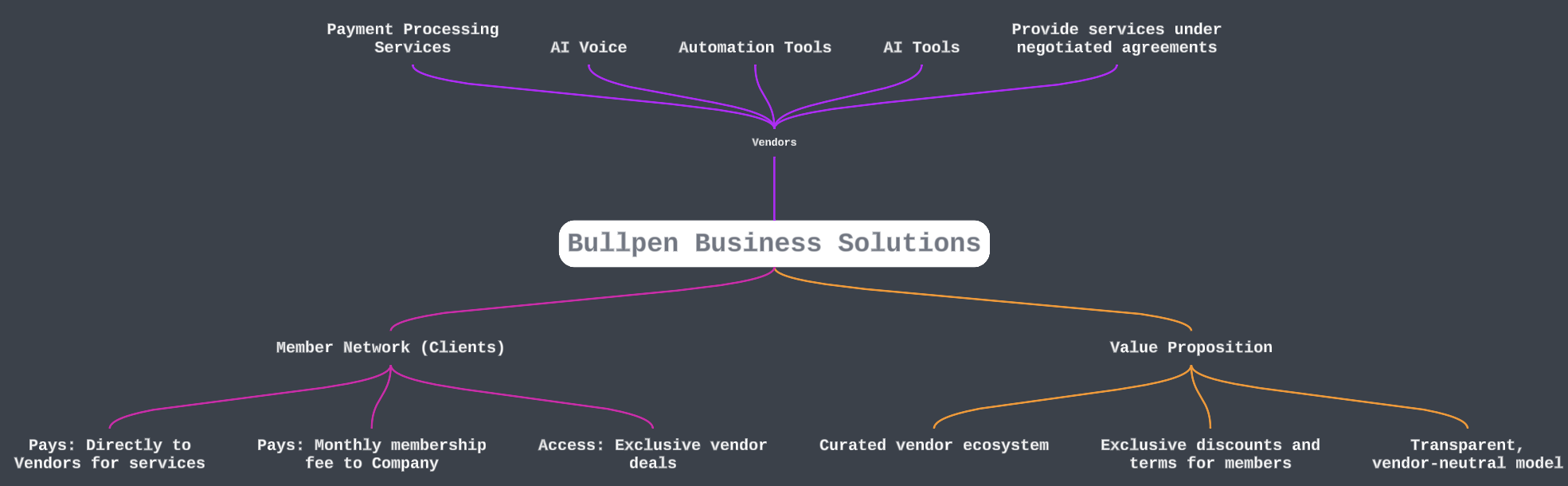
At Bullpen Business, we recognize that no single software tool is a "silver bullet." The most effective organizations utilize a curated network of specialized vendors to achieve their goals.
We connect companies with boutique firms that specialize in the very automation tools we have discussed. Our model ensures you get access to negotiated rates and vetted experts who understand how to improve profitability.
A. Vendor Neutrality
We maintain a vendor-neutral stance. Our priority is identifying the specific tool or service that addresses your unique bottleneck, whether that is cost recovery or sales efficiency.
B. Proven Results
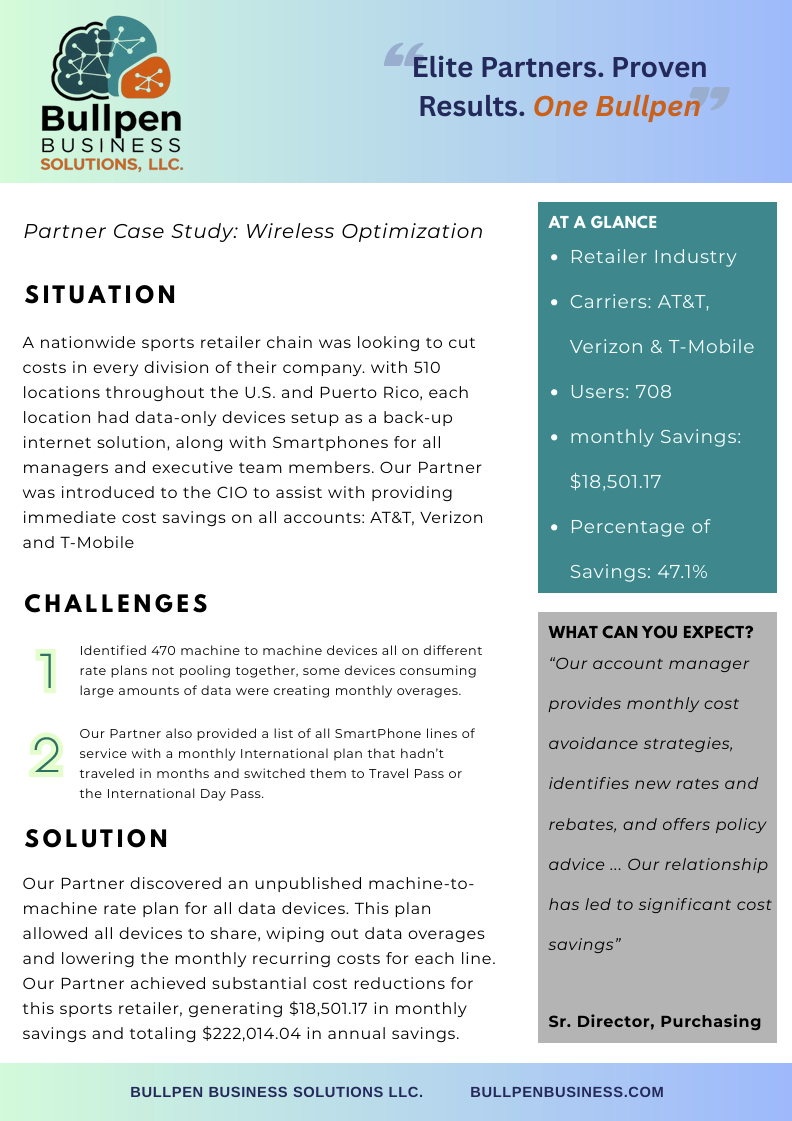
Our network includes firms that have helped organizations reduce their sales expenses while simultaneously increasing their output. You can view our various service categories on our blog-posts-sitemap.
C. Minimal Client Effort
We understand that you are already busy. Our process is designed to require minimal effort from your side while we identify the best automation partners for your business.
7. Implementing Change: A Step-by-Step Approach
Transitioning away from a manual sales model does not happen overnight. It requires a strategic approach to ensure your team adopts the new tools effectively.
Identify the Bottleneck: Is your team struggling with finding leads, or are they struggling to follow up?
Audit Your CRM: Determine if your current CRM automation is actually serving your team or if it has become a "data graveyard."
Pilot a Service: Start with a specific area, such as appointment setting services, to see how it impacts your internal team’s capacity.
Iterate and Scale: Once you see the return on investment (ROI), you can expand your automation efforts to other parts of the sales cycle.
For a detailed breakdown of our pricing and partnership models, please visit our pricing-plans-sitemap.
8. The Financial Reality of Automation
Hiring a new sales representative in 2026 involves more than just their salary. You must consider recruitment fees, benefits, desk costs, and the "ramp-up" period where they are not yet productive.
Conversely, implementing sales automation and utilizing specialized services often costs a fraction of a full-time equivalent (FTE). Furthermore, these tools do not take sick days or require managed performance reviews.
By restoring capacity through technology and specialized partners, you improve your company’s profitability. You are essentially doing more with the talent you already have.
9. Are Manual Teams Actually "Dead"?
To answer the titular question: Purely manual sales teams are not "dead," but they are becoming increasingly irrelevant in high-growth sectors. Organizations that refuse to adapt are finding it harder to compete on price and speed.
The future belongs to the "Hybrid Sales Team." This is a team where humans lead the strategy and relationships, while automation handles the data, the tracking, and the repetitive outreach.
If you are ready to explore how your organization can transition to this model, we invite you to book an online session with our consultants.
Conclusion
Restoring sales capacity does not require a larger office or a bigger payroll. It requires a smarter approach to how your team spends its time.
By leveraging sales automation, CRM automation, and external B2B lead generation services, you can remove the administrative anchors holding your team back.
Bullpen Business is here to guide you through this transition, connecting you with the boutique firms that make this efficiency possible. Don't let manual processes dictate your growth ceiling.
For more insights into business consulting and profitability, visit our blog.
Comments