%20(3)_edited_edited.png)


Automated Lead Generation: 20 Pipeline Automation Strategies to Get You Started
- Peter Casey
- Feb 3
- 5 min read

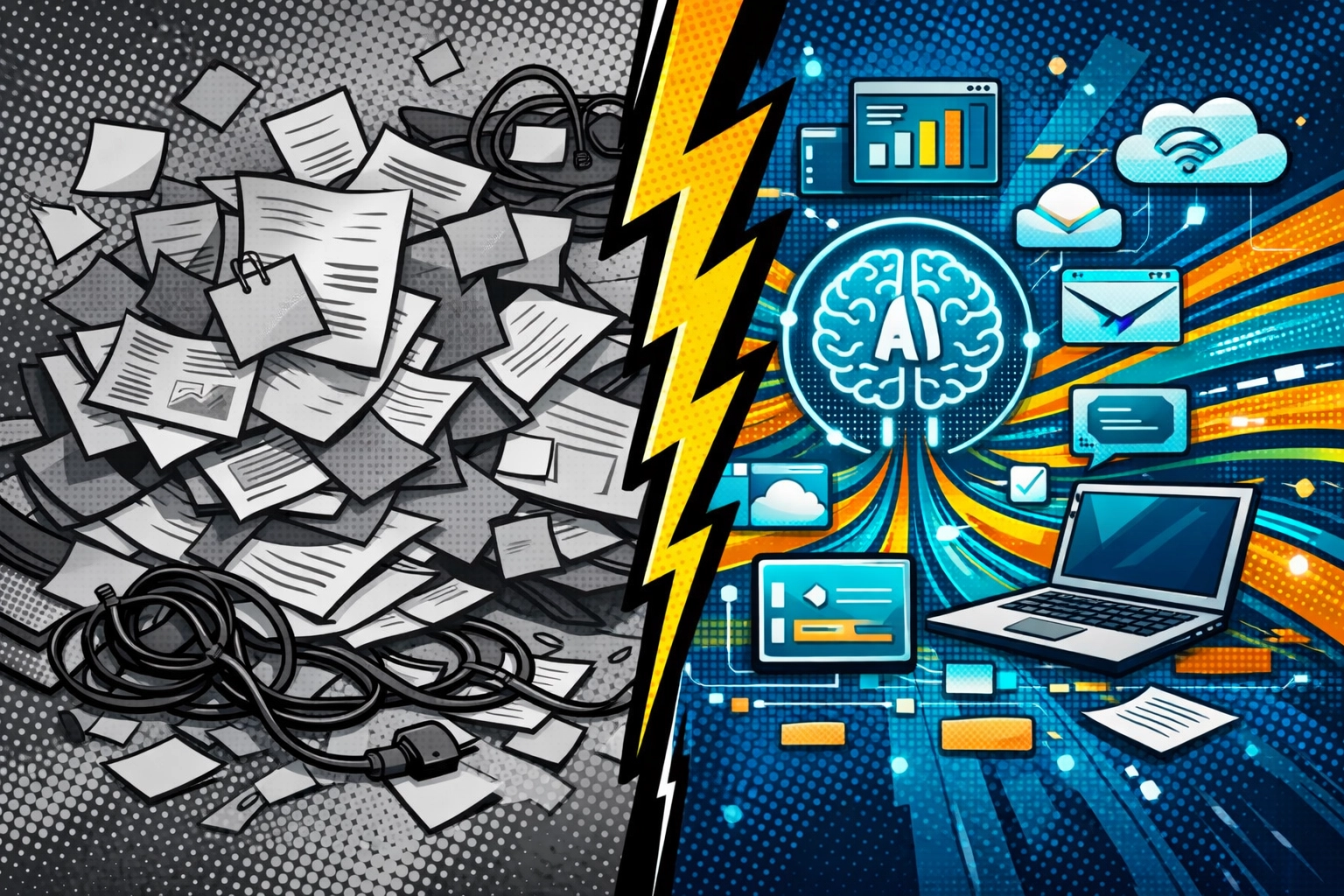
Pipeline automation transforms how your business captures, qualifies, and converts leads. Companies implementing comprehensive automation strategies report a 45% reduction in lead acquisition costs and a 30% increase in sales productivity. These statistics demonstrate why B2B lead generation services now prioritize automation as a core component of growth strategy.
The following 20 strategies provide a roadmap for implementing effective sales automation and CRM automation systems. Each strategy addresses a specific stage in your lead generation pipeline, from initial capture through final conversion.
Foundation Strategies: Building Your Automation Infrastructure
1. Analyze Target Audience and Customer Personas
Before deploying any automation tools, you must define your ideal customer profiles and behaviors. This foundational work ensures your automation efforts target the right prospects with relevant messaging. Document demographic data, pain points, buying behaviors, and decision-making processes for each persona.
2. Create Compelling Website Content
Your website serves as the hub for automated lead generation. Develop high-quality content that addresses your prospects' challenges and positions your solutions effectively. This content feeds into every downstream automation strategy by providing the material that attracts and engages potential leads.
3. Implement Lead Capture Forms and Popups
Deploy strategically placed forms and popups to capture visitor contact information automatically. Use progressive profiling to gather additional data over time without overwhelming new visitors. Trigger these capture mechanisms based on visitor behavior, such as time on page or scroll depth.

4. Build a Unified Data Ecosystem
Consolidate data from multiple sources into a single, accessible system. Remove duplicates and outdated entries to maintain clean, actionable data. This unified ecosystem enables all subsequent automation strategies to function efficiently and prevents leads from falling through gaps between disconnected systems.
5. Segment and Score Leads Based on Behavior
Establish clear criteria to prioritize leads by engagement level and demographics. Create segments based on industry, company size, behavior patterns, and position in the buying journey. This segmentation allows your automation to deliver targeted experiences rather than generic communications.
AI-Powered Scoring and Qualification
6. Deploy Predictive Lead Scoring
Machine learning models analyze firmographic data: such as company size and industry: alongside intent signals like content downloads and website clicks. These models predict conversion likelihood more accurately than traditional rule-based scoring. Your CRM automation can then route high-scoring leads to sales representatives immediately while nurturing lower-scoring prospects.
7. Use Behavioral AI Tagging
Tag leads with AI-generated behavioral scores that identify characteristics like "price-sensitive" or "urgent buyer." These tags enable dynamic segmentation that adapts as leads interact with your content. Sales teams receive contextualized information that informs their outreach approach.
8. Activate Intent Data
Identify anonymous buyers showing purchase intent across the web using specialized tools. This strategy captures prospects researching solutions before they ever visit your website. Your pipeline automation can then target these high-intent prospects with personalized campaigns that address their specific research topics.
Engagement and Nurturing Strategies
9. Deploy AI Chatbots for Real-Time Qualification
Conversational AI qualifies leads through automated surveys, books demos, and delivers personalized content based on buyer stage. Research indicates that 58% of B2B companies report chatbots help them qualify leads more effectively. These tools operate 24/7, ensuring no prospect waits for business hours to receive answers.
10. Automate Email Nurturing Campaigns
Trigger targeted email sequences based on lead behavior and scoring. A prospect who downloads a whitepaper receives different content than one who requests a demo. Your sales automation system tracks engagement with each email, adjusting future sends based on response patterns.
11. Hyper-Personalize Outreach with Generative AI
AI copywriting tools craft personalized messages at scale. These tools analyze each lead's behavior, industry, and engagement history to generate relevant content. Dynamic email content adapts based on recipient actions, ensuring messages remain timely and appropriate.
12. Implement AI Video Messaging
Create personalized video snippets for leads using AI-driven insights. Video content generates higher engagement rates than text-based communications. Automation platforms can trigger these videos at key pipeline stages, such as after a demo request or following a pricing inquiry.
Multi-Channel Automation
13. Automate Social Media Engagement
Social listening tools identify prospects discussing relevant pain points or researching solutions. Scheduling tools maintain consistent presence across platforms without manual posting. Your B2B lead generation services extend beyond email to meet prospects where they actively engage.
14. Optimize Ad Campaigns with Autonomous Bidding
Deploy AI tools that automate bidding, audience targeting, and creative optimization. These platforms continuously test and refine campaigns based on performance data. Your advertising budget works more efficiently as machine learning identifies the highest-converting combinations.

15. Use Predictive Ad Audiences
Target users with high conversion likelihood based on AI analysis of past converters. These lookalike audiences share characteristics with your best customers, improving campaign performance. Your pipeline automation identifies these prospects earlier in their buying journey.
16. Generate Ad Variations Automatically
Creative automation tools generate thousands of ad variations for testing. These systems identify which images, headlines, and calls-to-action resonate with specific audience segments. Your appointment setting services benefit from ads that drive qualified meeting requests rather than generic inquiries.
Data and Analytics Automation
17. Close the Loop with AI-Powered Analytics
Track every touchpoint and attribute leads to the right channel using machine learning analytics. These systems predict churn risk and lifetime value, allowing you to prioritize resources appropriately. Your CRM automation provides sales teams with complete visibility into each prospect's journey.
18. Set Up Real-Time Alerts
Configure automated notifications for sudden changes in lead quality or conversion rates. These alerts enable rapid response to emerging opportunities or declining campaign performance. Your team addresses issues before they significantly impact pipeline health.
19. Identify Drop-Off Points in the Funnel
Analytics tools analyze user journeys to pinpoint where prospects disengage. This insight informs optimization efforts that remove friction from the conversion process. Your pipeline automation continuously improves as you address these bottlenecks.
Competitive Intelligence
20. Monitor Competitive Lead Gen Tactics
Automatically track competitors' landing pages, ad copy, and pricing adjustments. This intelligence informs your strategy in real-time, allowing rapid response to market changes. Your positioning remains competitive as you adapt to industry developments.
Implementing Your Automation Strategy
The most effective approach integrates multiple strategies into an end-to-end workflow. Connect your CRM, email marketing, and automation tools so that when visitors convert through initial lead capture, their information automatically triggers scoring, segmentation, nurturing campaigns, and sales team routing.
At Bullpen Business, we connect companies with boutique firms specializing in sales automation and pipeline automation implementation. Our network includes specialists who can deploy these strategies based on your specific industry requirements and technical infrastructure. This approach allows you to access enterprise-level B2B lead generation services without maintaining a large internal automation team.
The investment in pipeline automation delivers measurable returns through reduced acquisition costs and increased sales productivity. Your team focuses on high-value activities: strategic planning and relationship building: while automation handles repetitive qualification and nurturing tasks.
Begin by implementing foundation strategies before advancing to AI-powered tools. This progression ensures your data infrastructure supports sophisticated automation capabilities. Each strategy builds upon previous implementations, creating a comprehensive system that captures, qualifies, and converts leads efficiently.
Your automation strategy should evolve as technology advances and your business grows. Regular assessment of performance metrics identifies opportunities for refinement. The strategies outlined here provide a starting framework that adapts to changing market conditions and customer expectations.
Comments