%20(3)_edited_edited.png)


Looking For Sales Automation Software? Here Are 10 Things You Should Know Before Choosing
- Peter Casey
- Feb 2
- 5 min read

Selecting the right sales automation software can make or break your sales organization's efficiency. With hundreds of platforms on the market, each promising to transform your revenue operations, the decision often feels overwhelming. You need a system that addresses your specific challenges without creating new operational headaches.
At Bullpen Business, we connect mid-market and enterprise organizations with boutique technology firms that specialize in sales automation and CRM automation solutions. Through our network, we have seen firsthand what separates effective implementations from costly failures. The following ten considerations will help you evaluate platforms and avoid common pitfalls.
1. Core Automation Capabilities That Match Your Sales Cycle
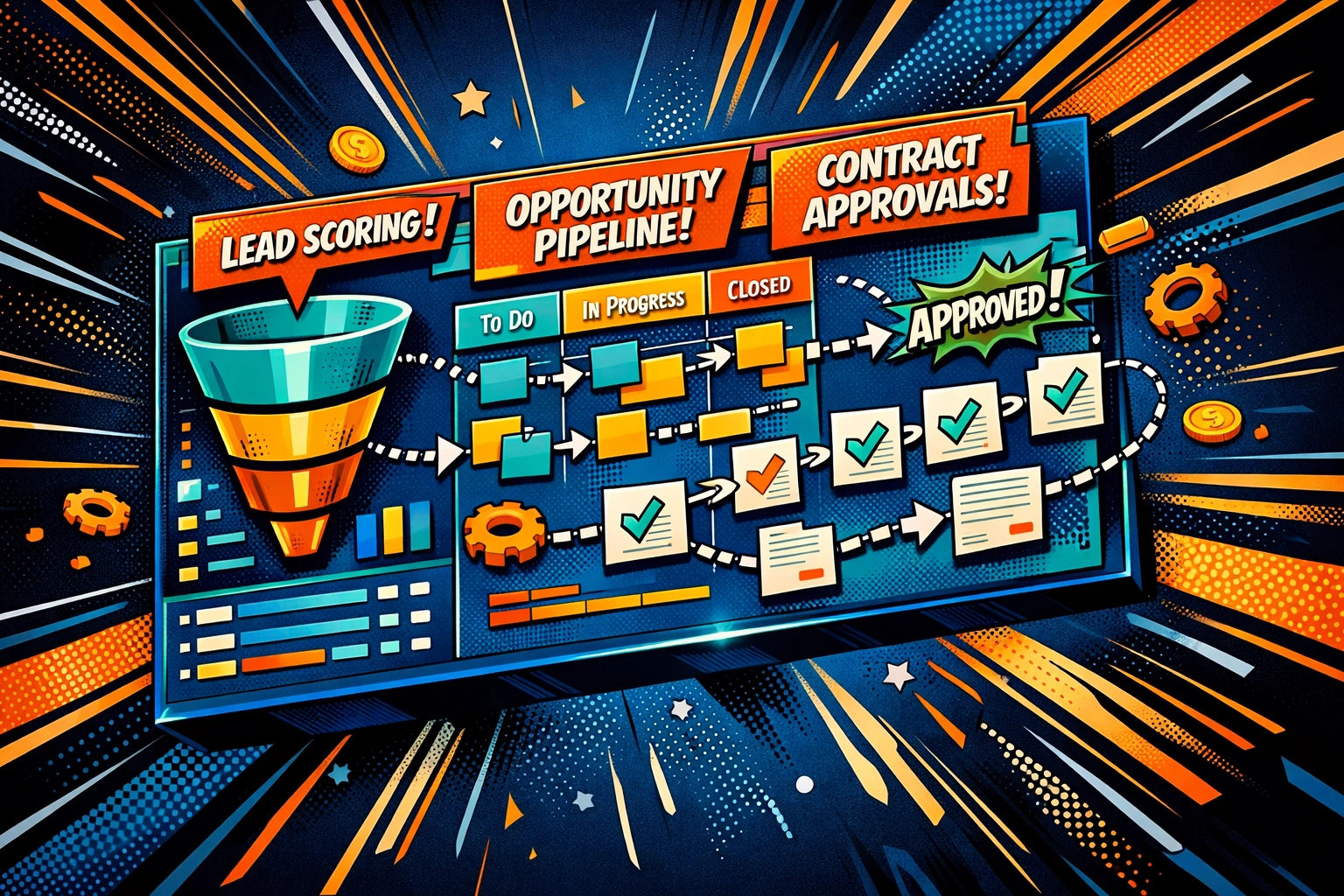
Your sales automation software must address the specific tasks consuming your team's time. Generic automation rarely delivers meaningful results. Consider whether the platform handles lead capture and scoring, opportunity routing, quote generation, approval workflows, and contract management.
Different sales cycles require different automation priorities. If you operate in B2B environments with long sales cycles and multiple stakeholders, you need robust approval workflows and proposal automation. Transactional sales models benefit more from rapid lead scoring and automated follow-up sequences.
Verify that the software covers your entire revenue lifecycle from initial prospecting through renewal management. Gaps in coverage create manual handoffs that undermine efficiency gains.
2. Seamless CRM Integration and Data Centralization
Your customer relationship management platform should serve as your single source of truth. Sales automation software that operates in a silo creates data fragmentation and reporting nightmares.
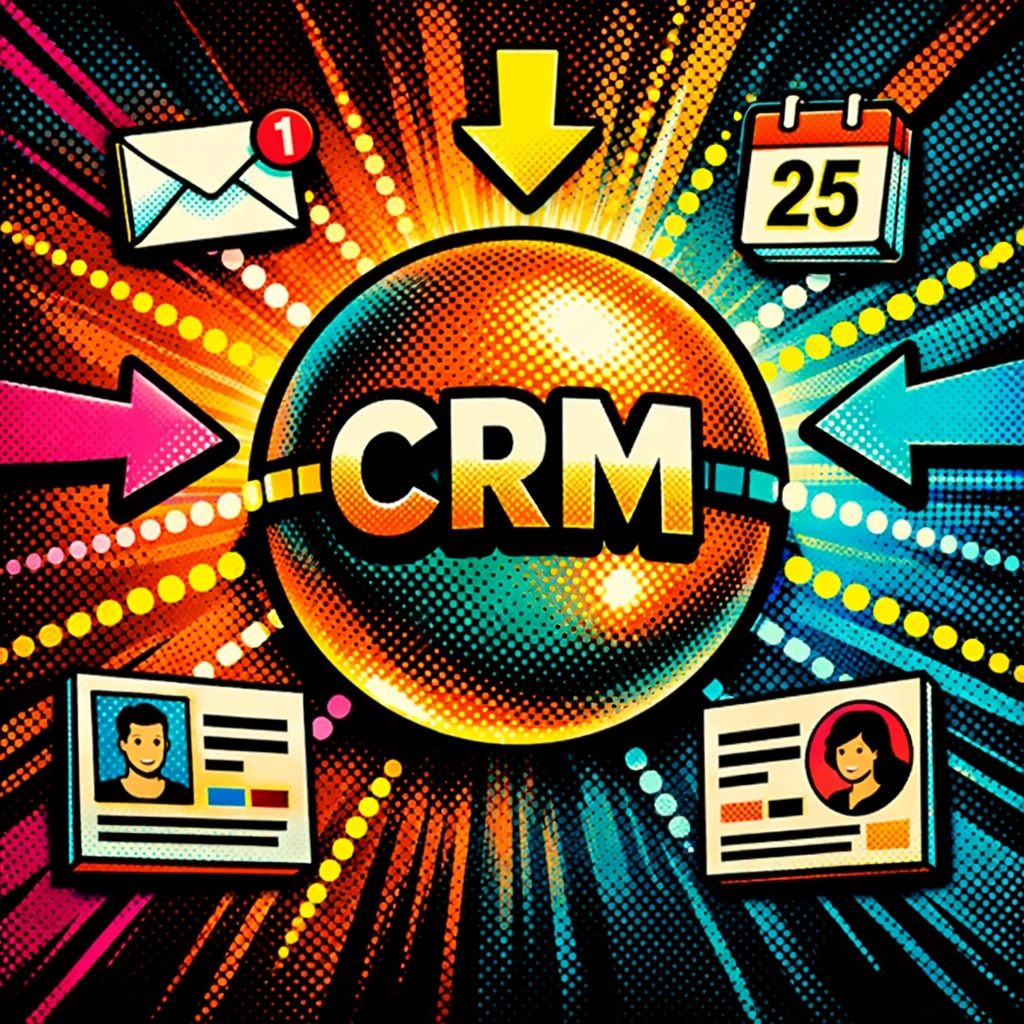
Look for tools that integrate natively with your existing CRM rather than requiring custom development or middleware. The platform should automatically capture and centralize customer data from multiple sources including email systems, calendars, and engagement tools.
Manual data entry remains one of the largest time drains in sales organizations. Your automation platform should eliminate this burden by synchronizing information bidirectionally without human intervention.
3. AI-Powered Decision Support Beyond Simple Task Automation
Modern sales automation platforms leverage artificial intelligence to provide predictive insights that improve decision-making. This capability extends far beyond scheduling emails or updating fields.
Effective AI features include deal scoring that identifies high-priority opportunities based on historical patterns, intelligent pricing recommendations that optimize margins while maintaining competitive positioning, risk flagging that alerts you to deals likely to stall, and expansion opportunity identification within your existing customer base.
Generic automation simply executes predefined rules. AI-powered systems learn from your data and continuously improve recommendations. This distinction becomes increasingly important as your sales organization scales.
4. Automated Data Accuracy and Reduction of Manual Entry
Data quality directly impacts forecasting accuracy and strategic decision-making. Sales automation software should automatically capture and update customer information from various sources while syncing sales interactions like calls and meetings to customer profiles.
Poor data hygiene creates compounding problems over time. Outdated contact information leads to missed opportunities. Incomplete interaction histories prevent personalized outreach. Inconsistent data entry makes reporting unreliable.
Your platform should enforce data standards automatically rather than relying on sales representatives to maintain discipline during busy periods. This reduces human error and ensures your pipeline data remains current.
5. Comprehensive Reporting, Dashboards, and Visibility
Sales leaders need consolidated views of pipeline health without spending hours compiling reports from multiple systems. Your automation platform should provide personalized dashboards that surface the metrics most relevant to different roles.
Look for platforms that track pipeline changes over time, identify bottlenecks in your sales process, measure rep productivity across multiple dimensions, and support accurate revenue forecasting. The system should gather and analyze sales data continuously rather than requiring manual report generation.
Visibility extends beyond executive dashboards. Individual contributors need real-time insights into their own performance and upcoming actions. This transparency drives accountability and helps representatives prioritize effectively.
6. Intelligent Lead Prioritization and Routing Capabilities
Not all leads deserve equal attention. Your sales automation software should use AI to scan customer profiles and analyze data patterns, identifying leads with the highest likelihood of converting or driving meaningful revenue.
Intelligent routing ensures opportunities reach the most appropriate sales representative based on territory alignment, product expertise, account history, or capacity. Manual assignment creates delays and often results in suboptimal matching.
Lead scoring models should evolve as your business grows. Static scoring based on job titles and company size misses behavioral signals that indicate genuine buying intent. Machine learning-based approaches identify patterns humans overlook.

7. Integration With Your Existing Technology Stack
Your sales automation platform does not operate in isolation. It must integrate smoothly with marketing platforms, email systems, data warehouses, business intelligence tools, and specialized applications your organization depends on.
Poor integration creates data silos that force representatives to toggle between multiple systems. This context switching wastes time and increases error rates. Information should flow seamlessly across your technology stack without manual intervention.
Verify that integrations support bidirectional data flow rather than simple one-way exports. Real-time synchronization prevents the data lag that undermines automation effectiveness.
8. User Adoption Through Intuitive Design
The most sophisticated automation platform delivers zero value if your sales team refuses to use it. User-friendly interfaces, customizable templates, and simple workflows dramatically improve adoption rates.
Complex systems require extensive training and create ongoing support burdens. Representatives revert to familiar tools like spreadsheets and email when platforms feel cumbersome. This behavior undermines data quality and prevents you from realizing your automation investment.
Consider involving end users in your evaluation process. Their feedback on usability often reveals friction points that executive decision-makers overlook.
9. Flexible Workflow Automation With Rules and Triggers
Your sales process includes repeatable sequences that benefit from standardization. Effective sales automation platforms support sales cadences with step-by-step instructions, automatic triggers that prompt next actions, and approval workflows with configurable rules.
These workflows should adapt to different scenarios. An enterprise deal requires different touches than a small business opportunity. High-value renewals deserve more attention than routine subscriptions.
The platform should allow you to design and modify workflows without requiring developer resources. Sales processes evolve continuously. Your automation should keep pace with these changes.

10. Machine Learning That Drives Continuous Improvement
Advanced sales automation platforms use machine learning to become more accurate over time. As more data flows through the system, predictive models improve at forecasting deal outcomes, identifying successful patterns, and optimizing workflows.
This continuous improvement distinguishes platforms that become more valuable over time from static systems that deliver fixed functionality. Your automation should help your organization learn what drives successful sales outcomes and codify those insights into repeatable processes.
Machine learning capabilities vary significantly across platforms. Some vendors market AI features that amount to simple if-then rules. Evaluate whether the system truly adapts based on your organization's unique data.
Making the Right Choice for Your Organization
Selecting sales automation software represents a significant investment in both capital and change management resources. The wrong choice creates disruption without delivering promised efficiency gains.
At Bullpen Business, we help organizations navigate these decisions by connecting them with boutique firms that specialize in sales automation, pipeline automation, and B2B lead generation services. Our network includes implementation partners who understand the nuances of different industries and sales models.
We focus on improving profitability through strategic technology partnerships. Rather than promoting specific platforms, we help you define requirements, evaluate options against your specific needs, and connect you with specialists who have proven track records in your space.
The considerations outlined above provide a framework for evaluation. Your specific circumstances may emphasize certain factors over others. The key is approaching the decision methodically rather than being swayed by sales pitches or industry hype.
If you are evaluating sales automation platforms and want guidance from specialists who understand both the technology landscape and business profitability concerns, schedule a consultation with our team. We connect you with the right partners to make informed decisions that improve your bottom line.
Comments