%20(3)_edited_edited.png)


Sales Automation 101: A Beginner’s Guide to Mastering Growth Without the Bloat
- Peter Casey
- Mar 13
- 5 min read

In the current landscape of B2B sales, time is the most expensive commodity. Every hour your sales team spends manually logging data, scouring LinkedIn for prospects, or playing "email tag" to schedule a meeting is an hour not spent closing deals. This is where sales automation enters the frame: not as a replacement for human connection, but as the engine that powers it.
However, many organizations fall into the trap of "software bloat." They subscribe to dozens of platforms, create overly complex workflows, and ultimately find themselves managing the tools rather than managing their growth. At Bullpen Business, we specialize in helping companies cut through this noise by connecting them with boutique firms that offer precision-engineered solutions. This guide serves as your foundation for implementing sales automation that drives profitability without adding unnecessary weight to your operations.
What is Sales Automation?
Generally speaking, sales automation is the strategic use of software to eliminate repetitive, manual tasks across the sales cycle. From the initial spark of B2B lead generation services to the final handshake, automation ensures that your pipeline remains fluid.
When executed correctly, sales automation handles the "busy work": data entry, lead routing, and follow-up sequences: so your reps can focus on high-value activities. The goal is to move a prospect from "stranger" to "scheduled appointment" with as little manual friction as possible.
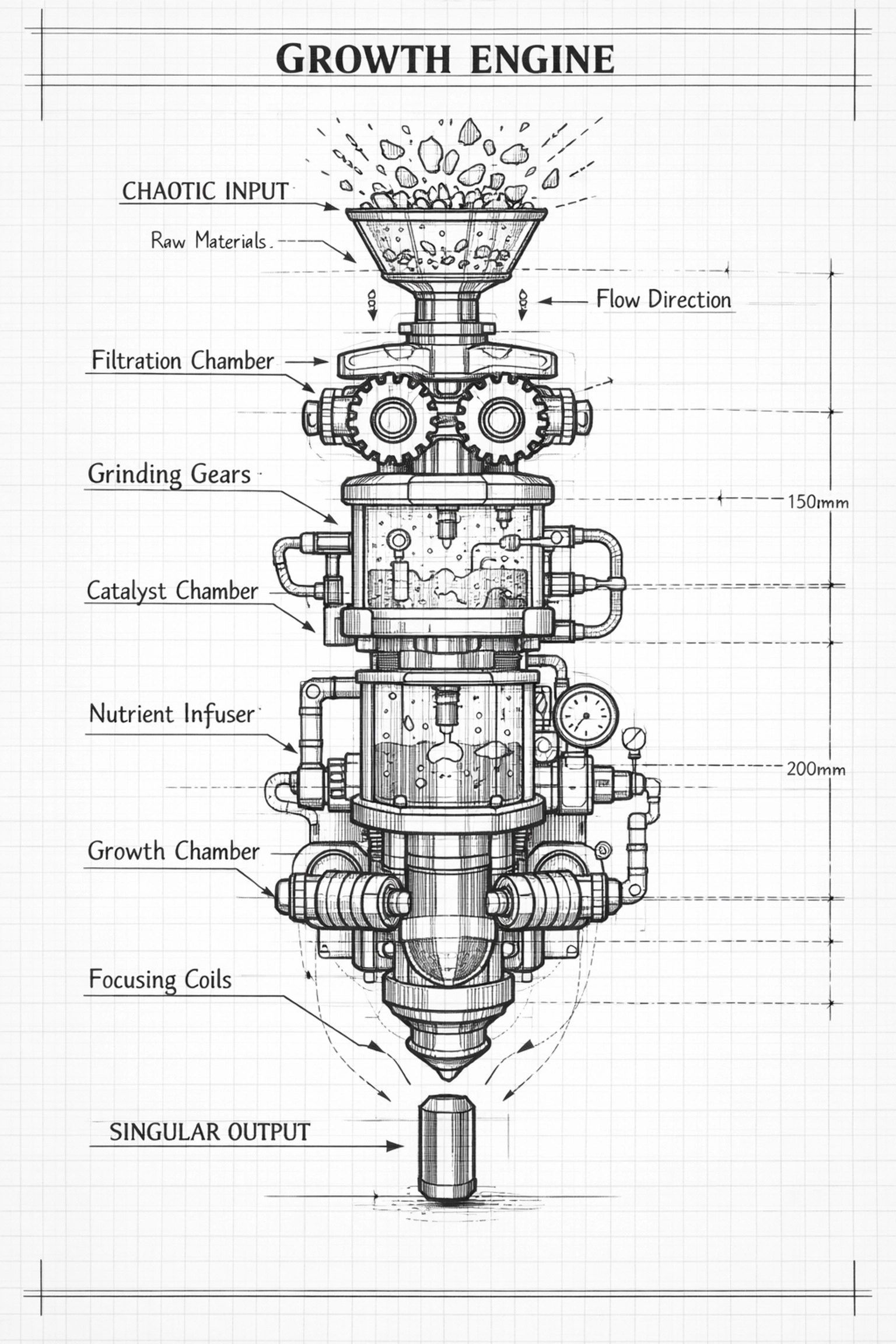
1. The Foundation: CRM Automation
Your Customer Relationship Management (CRM) system is the heart of your sales engine. Without CRM automation, your data is essentially a digital filing cabinet: static and difficult to search. Automation turns that cabinet into a proactive assistant.
Effective CRM automation focuses on three primary areas:
Data Hygiene: Automatically updating contact records when a lead engages with your content or changes their job title on social media.
Activity Logging: Syncing emails and calendar invites directly to the deal record, ensuring a transparent paper trail without manual entry.
Lead Scoring: Assigning numerical values to prospects based on their behavior (e.g., downloading a whitepaper or visiting your pricing page).
By automating these foundational elements, you ensure that your sales team is always working with the most accurate, up-to-date information. If you are looking to audit your current tech stack, you can meet with our team here to discuss how to streamline these processes.
2. Streamlining B2B Lead Generation Services
One of the biggest bottlenecks in any growth strategy is top-of-funnel activity. Searching for the right stakeholders within a target account is a full-time job. This is why many successful organizations leverage specialized B2B lead generation services.
Instead of having your expensive account executives "cold prospecting," automation allows you to feed your pipeline with high-intent leads. These services use advanced data scraping and intent-based signals to identify companies that are currently experiencing the pain points your solution solves.
At Bullpen Business, we connect our clients with boutique lead generation firms that prioritize quality over quantity. This prevents the "bloat" of thousand-line spreadsheets filled with irrelevant contacts, focusing instead on a curated list of decision-makers ready for a conversation.
3. Mastering Pipeline Automation
A "leaky" pipeline is a silent profit killer. Pipeline automation ensures that no lead is left behind. It acts as the guardrails for your sales process, moving deals through stages based on specific triggers rather than a rep’s memory.
Key components of an automated pipeline include:
Automated Follow-ups: If a prospect hasn't responded to a proposal within 48 hours, the system automatically sends a personalized "nudge."
Task Generation: When a deal moves to the "Negotiation" stage, the system automatically creates a task for the legal or finance team to review the contract.
Stagnation Alerts: If a deal sits in one stage for too long, management is alerted to provide coaching or intervention.
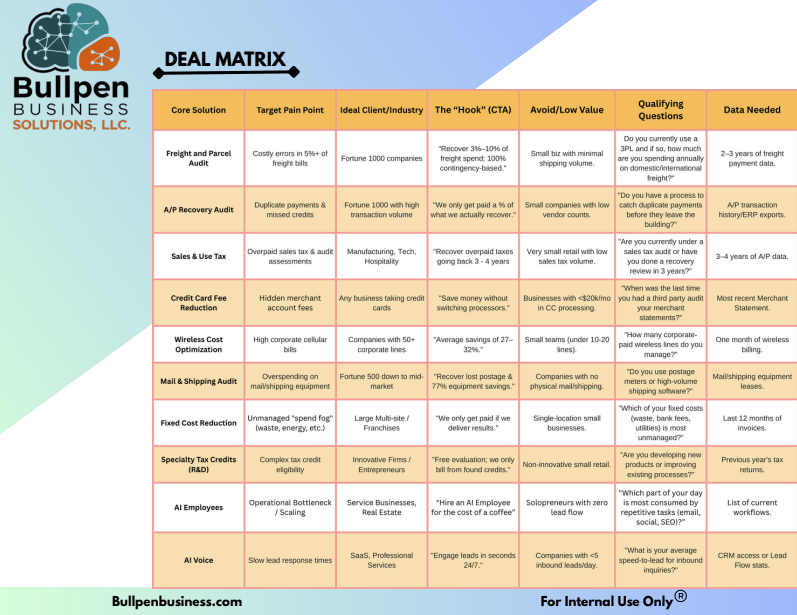
As seen in our Deal Matrix, identifying the specific pain points and unique value propositions early in the pipeline is essential. Automation allows you to categorize these deals instantly, ensuring the right resources are applied at the right time.
4. The Power of Appointment Setting Services
The ultimate goal of most sales automation workflows is the "booked meeting." However, the back-and-forth required to find a time that works for both parties is a notorious productivity drain. By integrating appointment setting services and automated scheduling tools, you remove this barrier entirely.
Modern appointment setting involves more than just a calendar link. It includes:
Qualification Filters: Ensuring that only prospects who meet certain criteria (budget, authority, need) can book time on your calendar.
Pre-meeting Intelligence: Automatically sending a brief survey to the prospect before the meeting to gather information, making the actual call far more productive.
Automated Reminders: Reducing "no-show" rates through a series of SMS and email reminders leading up to the appointment.
For companies looking to scale their outreach rapidly, the deck outlines how Bullpen Business bridges the gap between your internal team and external experts who excel in high-conversion appointment setting.
5. Avoiding the "Automation Trap"
While it is tempting to automate every single interaction, the "Beginner’s Guide" must include a warning: Never automate empathy.
Automation is for the process; the personhood is for your sales reps. If your automated emails sound like they were written by a machine, your conversion rates will plummet. The key is to use automation to enable personalization. For example, use a tool to pull a prospect’s recent LinkedIn post into a template, but let the rep write the final sentence that connects that post to your service.
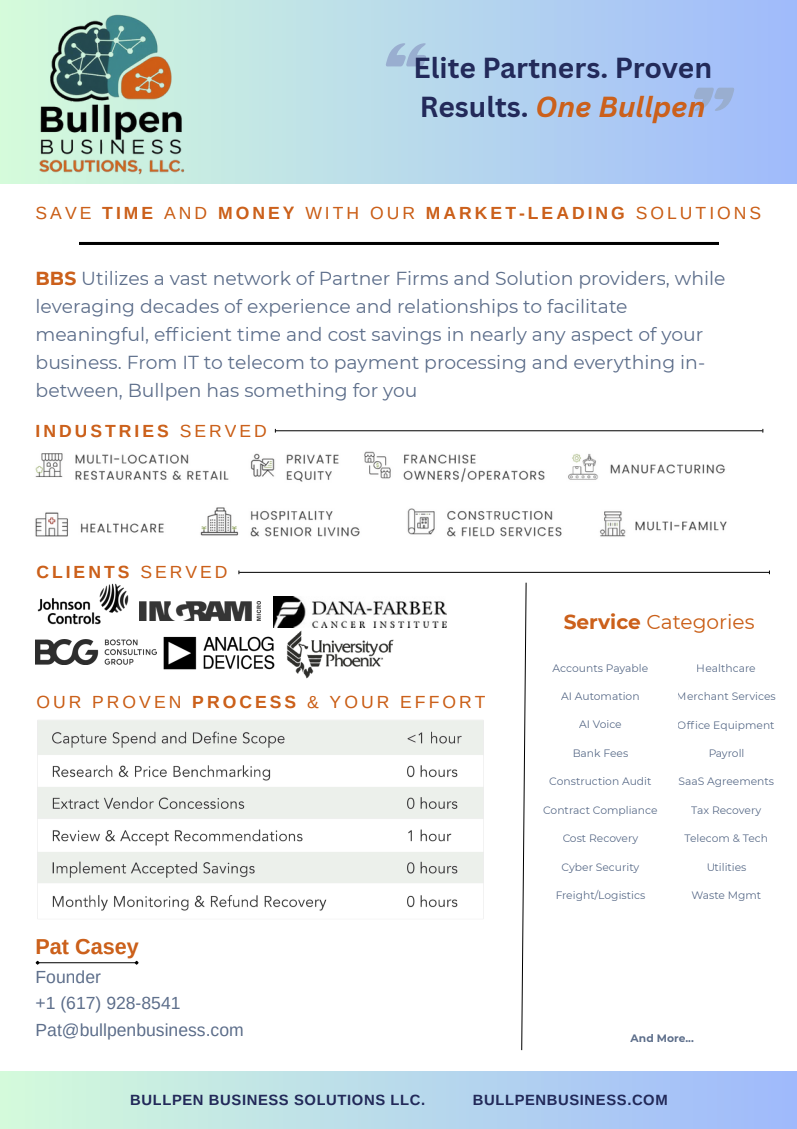
Our overview highlights that the most effective solutions are those that simplify the process for the client while maximizing the impact. We focus on cost recovery, IT, and specialized services that require a human touch supported by a robust automated backbone.
6. How to Start Without the Bloat
If you are just beginning your journey into sales automation, follow this three-step framework to keep your operations lean:
Step A: Audit Your Time
Before buying a new tool, track your sales team's time for one week. Identify the top three non-selling tasks that consume their hours. Usually, these are lead research, manual email follow-ups, and CRM updates.
Step B: Choose Integrated Tools
Avoid "point solutions" that don't talk to each other. If your lead generation tool doesn't sync with your CRM, you are simply trading one manual task (research) for another (data entry). Prioritize tools with native integrations or a robust API.
Step C: Partner with Specialists
You don't have to build the entire infrastructure yourself. Many boutique firms offer "Automation as a Service," where they manage your pipeline automation and lead generation for you. This allows you to benefit from enterprise-level technology without the enterprise-level overhead.
You can view our various pricing plans to see how Bullpen Business makes these professional connections accessible for businesses of all sizes.
Case Study: The Impact of Streamlining
Consider a recent case study involving wireless optimization for a nationwide retailer. By correcting smartphone international plans and implementing machine-to-machine rate plans, we saved the client over $18,000 monthly.
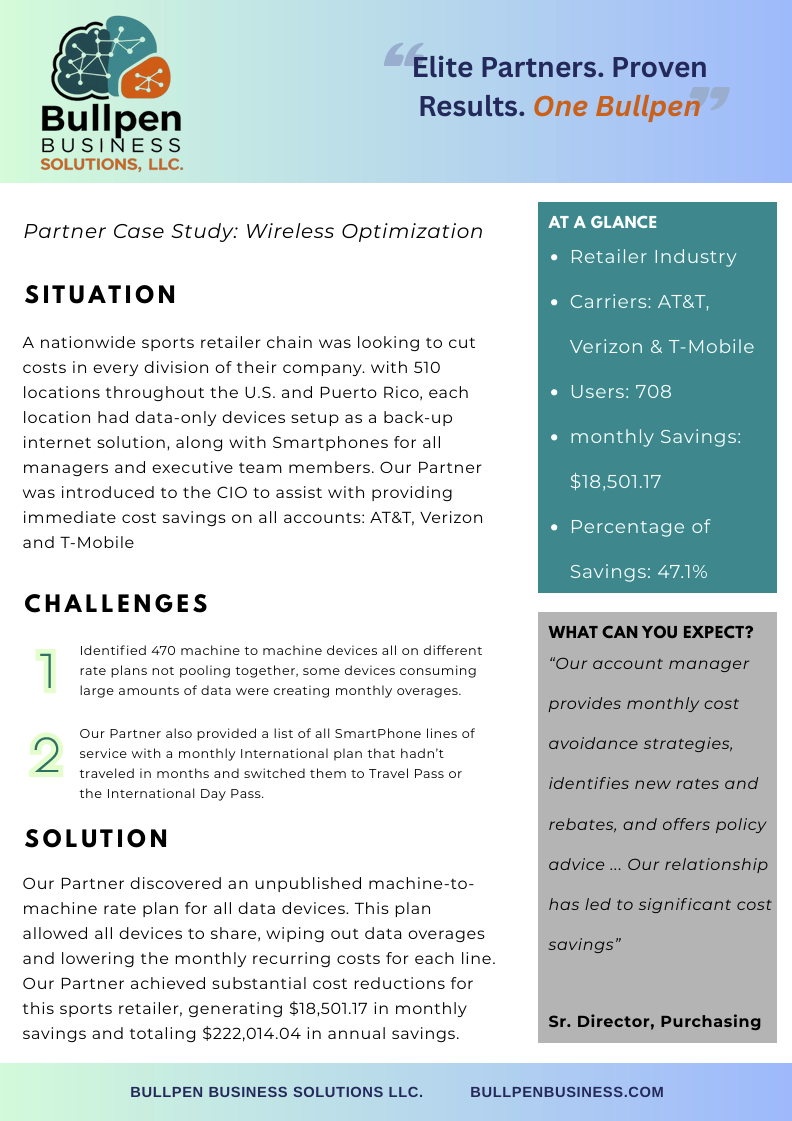
While this was a cost-recovery project, the lesson applies to sales: Efficiency is the fastest route to profitability. By automating the "correction" of your sales processes: ensuring you aren't overpaying for leads or losing time on manual tasks: you create immediate, measurable impact.
Conclusion: Your Next Steps
Sales automation is not a "set it and forget it" project. It is a continuous effort to refine your growth engine. By focusing on CRM automation, leveraging expert B2B lead generation services, and tightening your pipeline automation, you can achieve massive growth without the traditional "bloat" of a massive, unmanaged sales department.
At Bullpen Business, we believe in the power of the boutique. We connect you with specialized firms that do one thing exceptionally well, ensuring your business stays agile and profitable.
Ready to stop the bloat and start the growth? You can book online to start a conversation with our team about your specific sales automation needs. For more insights on improving your business operations, feel free to explore our full blog catalog.
Comments