%20(3)_edited_edited.png)


Sales Automation Tools, CRM Systems, B2B Lead Gen, and Pipeline Management: 15 Integration Ideas
- Peter Casey
- Feb 7
- 5 min read

![[HERO] Sales Automation Tools, CRM Systems, B2B Lead Gen, and Pipeline Management: 15 Integration Ideas](https://cdn.marblism.com/8gUVWuPbNST.webp)
Integrating sales automation tools with your CRM system creates a unified ecosystem that eliminates manual tasks, accelerates your pipeline, and increases revenue. According to industry research, companies that successfully integrate these systems report 30% increases in revenue, 29% faster case resolution, and 25% faster deal closures.
The challenge is not whether to integrate: it is determining which integrations deliver the highest return on investment for your specific business model. Below are 15 integration ideas that address lead generation, pipeline management, team collaboration, and customer experience.
Lead Capture and Qualification
1. Automated Lead Capture and Routing
Your CRM system should automatically capture leads from multiple sources: website forms, social media, trade show registrations, and third-party platforms: and route them to the appropriate sales representative based on territory, industry expertise, or product specialization. This integration eliminates the delays that occur when leads sit in a queue waiting for manual assignment.
2. Real-Time Lead Scoring Automation
Integrate lead scoring algorithms that automatically prioritize prospects based on engagement level, company size, industry fit, and behavioral signals. Your sales team focuses on high-intent leads while nurturing workflows handle early-stage prospects. This integration ensures that your team allocates time to opportunities with the highest conversion probability.
3. Multi-Touch Lead Nurturing Workflows
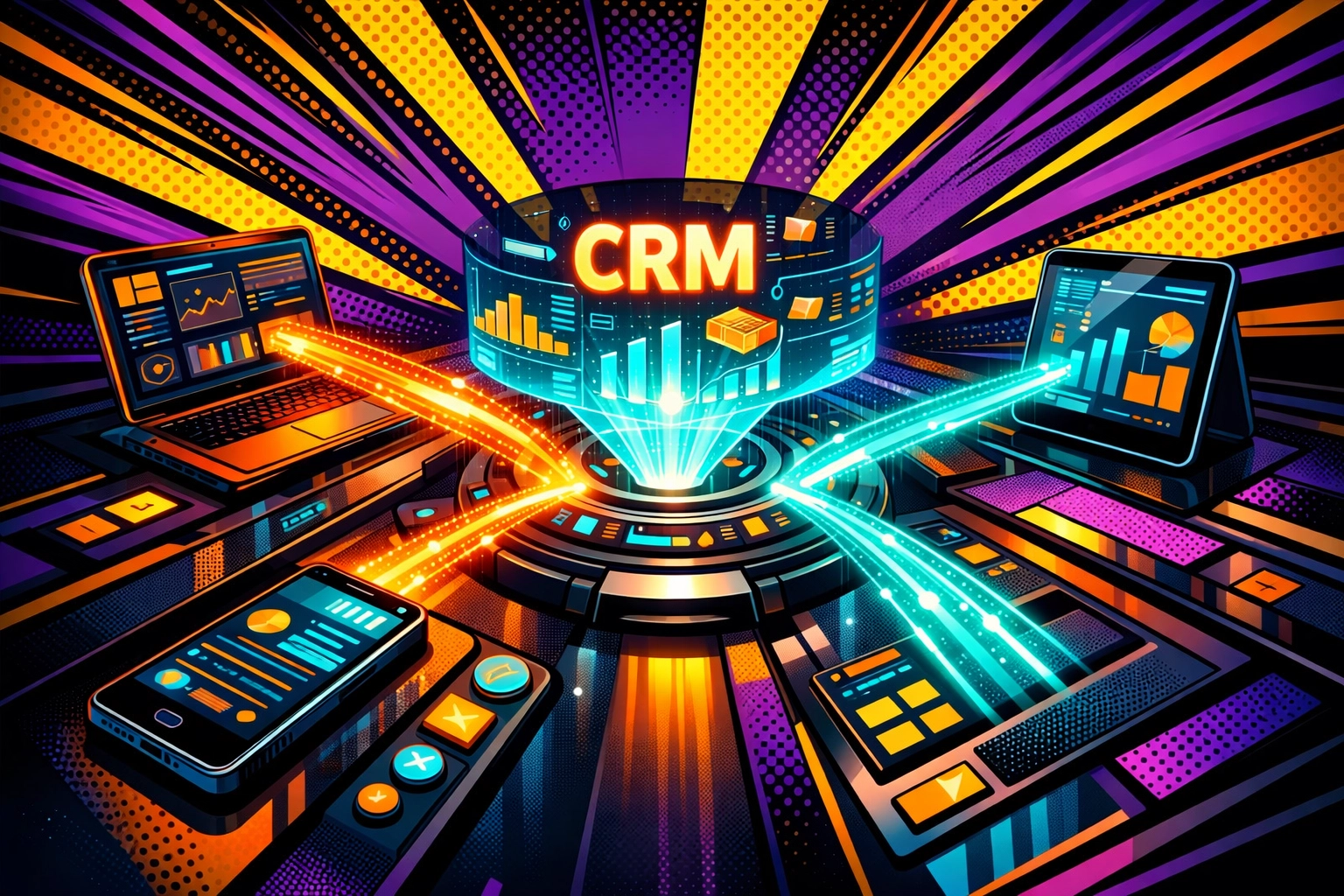
Connect your marketing automation platform to your CRM to create sophisticated nurturing sequences that respond to prospect behavior. When a lead downloads a whitepaper, attends a webinar, or visits your pricing page, the system automatically triggers relevant follow-up content and notifies the assigned sales representative when the lead reaches a predefined engagement threshold.
4. Lead Enrichment Through Data Appending
Integrate third-party data providers with your CRM to automatically enrich lead records with firmographic data, technographic insights, and contact information. This integration reduces manual research time and provides your sales team with the context they need to personalize outreach effectively.
Sales Process Automation
5. Automated Follow-Up Sequences
Configure your CRM to trigger follow-up emails, tasks, and reminders based on specific pipeline events. When a prospect opens a proposal, your system automatically schedules a follow-up call. When a deal stalls in a particular stage for a predefined period, the system alerts the sales manager. This integration ensures that no opportunity falls through the cracks due to timing failures.
6. Dynamic Email Personalization
Integrate your email platform with your CRM to send personalized messages that reference specific customer data points: recent purchases, website behavior, support tickets, or contract renewal dates. This level of personalization increases response rates and demonstrates that your outreach is relevant rather than generic.
7. Calendar Integration for Appointment Setting Services
Connect your scheduling software directly to your CRM so that when prospects book meetings, the system automatically creates CRM records, assigns ownership, and triggers pre-meeting preparation workflows. This integration streamlines appointment setting services and ensures that your team enters every conversation with complete context.
8. Document Generation and E-Signature Workflow
Integrate contract management and e-signature platforms with your CRM to automatically generate proposals, contracts, and statements of work using CRM data. When a deal reaches the proposal stage, the system creates the document, sends it for signature, and updates the CRM record when the document is executed. This integration accelerates deal velocity and reduces administrative burden.
Pipeline Management and Forecasting
9. Automated Opportunity Tracking
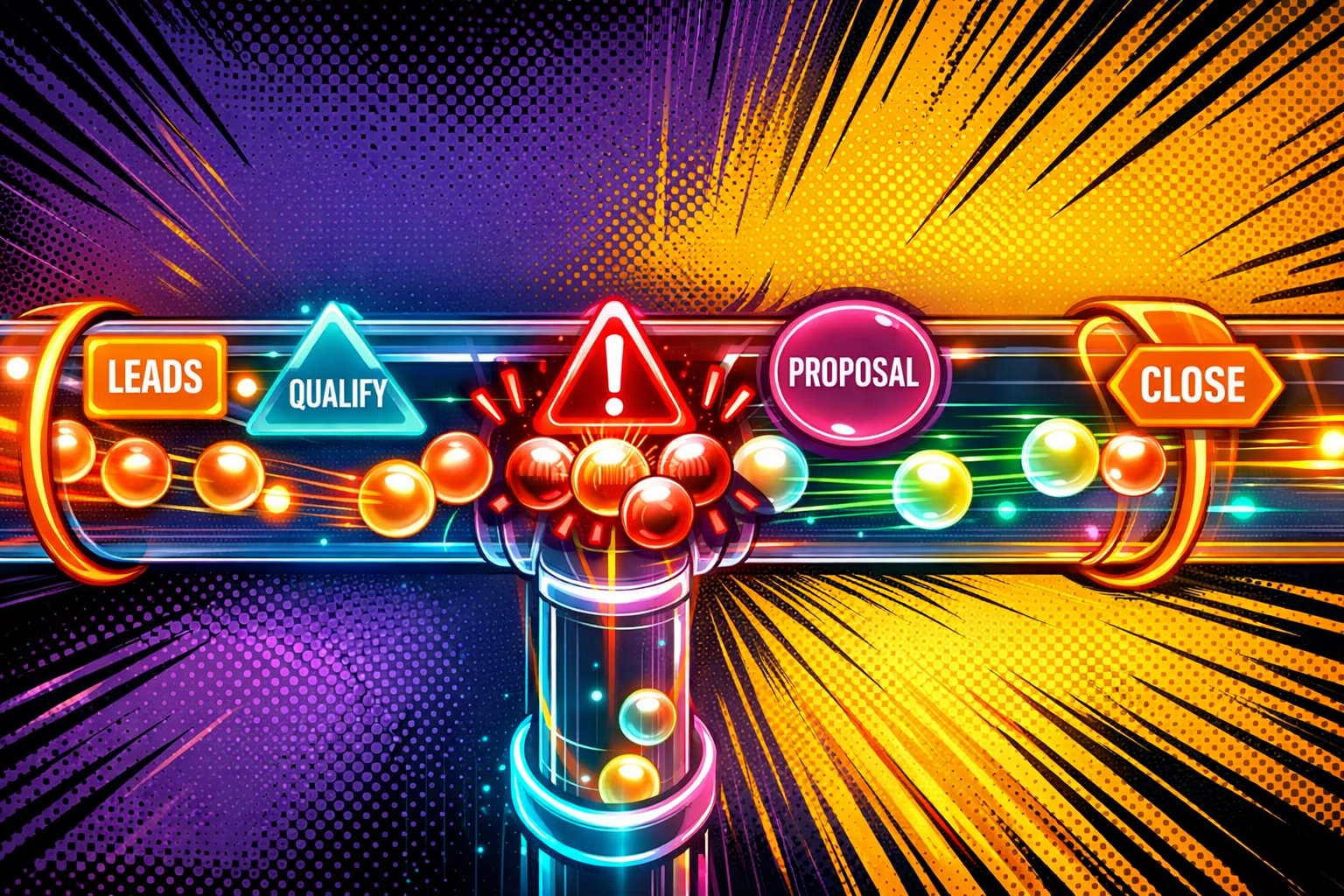
Your CRM should monitor each sales opportunity's progress through your pipeline stages and identify bottlenecks automatically. When deals remain in a particular stage beyond your average cycle time, the system flags them for review. This integration provides visibility into pipeline health without requiring manual data analysis.
10. Predictive Sales Forecasting
Integrate business intelligence tools with your CRM to analyze historical deal patterns, seasonality trends, and current pipeline composition. These systems generate revenue forecasts based on probability-weighted pipeline values and alert you when actual results deviate from projections. This integration enables proactive resource allocation and accurate financial planning.
11. Real-Time Performance Dashboards
Connect your CRM to reporting platforms that generate real-time dashboards displaying key metrics: conversion rates by stage, average deal size, sales cycle length, and individual representative performance. These dashboards eliminate the need for manual report compilation and provide immediate visibility into business performance.
Team Collaboration and Data Synchronization
12. Unified Customer Data Access Across Departments
Integrate your CRM with marketing automation, customer support, and finance systems to create a single source of truth for customer data. Marketing teams access campaign engagement history, sales representatives reference support tickets during conversations, and finance teams view payment history alongside sales forecasts. This integration eliminates data silos and ensures that every customer interaction is informed by complete context.

13. Cross-Platform Activity Logging
Connect communication tools: email clients, phone systems, video conferencing platforms, and messaging applications: to your CRM so that every customer interaction is automatically logged. Sales representatives no longer spend time manually entering activity records, and managers gain complete visibility into customer touchpoints across channels.
14. Automated Handoff Protocols Between Teams
Configure workflow automation that manages transitions between marketing, sales, and customer success teams. When a marketing-qualified lead meets specific criteria, the system automatically creates a sales opportunity and assigns it to the appropriate representative. When a deal closes, the system triggers customer onboarding workflows and assigns a customer success manager. These integrations ensure smooth transitions and prevent customers from experiencing gaps in communication.
Customer Experience Enhancement
15. Proactive Customer Service Integration
Connect your support ticketing system to your CRM so that sales and account management teams receive alerts when customers open critical support issues. This integration enables proactive outreach: your account manager can contact the customer before minor issues escalate, demonstrating attentiveness and strengthening the relationship.
Implementation Considerations
Successfully implementing these integrations requires strategic planning rather than a piecemeal approach. You must evaluate which integrations address your specific operational challenges, ensure that your technology stack is compatible, and establish data governance protocols that maintain data quality across systems.
Many mid-market companies lack the internal expertise to evaluate boutique firms specializing in sales automation, CRM integration, and B2B lead generation services. Bullpen Business connects organizations with vetted specialists who deliver these capabilities without the overhead of enterprise consulting firms. We provide access to boutique firms that implement pipeline automation, configure appointment setting services, and optimize your technology stack for profitability.
Your sales automation strategy should focus on eliminating manual tasks that consume time without generating revenue, providing your team with actionable intelligence at critical decision points, and creating seamless customer experiences across every touchpoint. The integrations outlined above represent proven approaches that deliver measurable improvements in conversion rates, sales cycle length, and revenue per representative.
If you are evaluating CRM automation or B2B lead generation services, we can connect you with firms that specialize in your industry and understand your specific operational requirements. Visit Bullpen Business to learn how we help organizations improve profitability through strategic partnerships with boutique service providers.
Comments