%20(3)_edited_edited.png)


The Fastest Way to Scale Your B2B Lead Generation Without Hiring More Salespeople
- Peter Casey
- Feb 9
- 5 min read

Your pipeline needs to double. Your sales target just increased by 40%. And your CFO just denied your request to hire three more SDRs.
If this scenario sounds familiar, you're not alone. Most B2B organizations face the same fundamental challenge: how do you scale lead generation without proportionally scaling headcount? The traditional answer: hire more salespeople: is becoming increasingly untenable as fully-loaded sales costs continue to rise while ramp times extend.
The solution isn't working harder. It's working smarter by deploying sales automation, CRM automation, and B2B lead generation services that amplify what your existing team can accomplish.
The Real Cost of Scaling Through Headcount
Before exploring alternatives, you should understand what you're actually paying when you hire additional salespeople. A fully-loaded sales development representative typically costs $70,000-$90,000 annually when you factor in base salary, commission, benefits, technology stack access, training, and management overhead.
That's just the financial cost. You're also committing to 3-6 months of ramp time before that person becomes productive, during which your pipeline continues to suffer. Additionally, sales turnover averages 35% annually, meaning there's a significant probability you'll need to repeat this expensive cycle within 18 months.
The question becomes: what if you could achieve the same pipeline growth without these costs and risks?

AI-Powered Automation as Your Force Multiplier
Sales automation has evolved far beyond simple email sequences. Modern AI-powered systems function as digital workers that operate 24/7, handling tasks that previously required human intervention at every stage.
Intelligent Lead Scoring and Qualification
Traditional lead scoring assigns points based on demographic data and basic behavioral signals. AI-powered lead scoring analyzes thousands of data points to predict conversion probability based on historical outcomes, not arbitrary point thresholds.
This means your team stops wasting time on leads that look good on paper but statistically won't convert. Instead, they focus exclusively on prospects with genuine buying intent, effectively doubling or tripling their productivity without working longer hours.
Hyper-Personalized Outreach at Scale
Generic outreach fails because decision-makers receive dozens of templated emails daily. AI-powered sales automation analyzes prospect data: company news, role-specific pain points, previous interactions: and generates genuinely personalized messaging in seconds.
Your sales team reviews and sends these messages, maintaining the human element while eliminating hours of research and copywriting. The result is outreach that feels custom-crafted because, algorithmically, it is.
Signal-Based Workflow Automation
Pipeline automation systems monitor behavioral signals across channels and automatically trigger appropriate actions when intent thresholds are met. When a prospect visits your pricing page three times in 48 hours, your CRM automation can alert your sales team, update the lead status, and queue a personalized follow-up: all without manual intervention.
This eliminates the lead response time problem that causes most opportunities to go cold. Your prospects receive timely, relevant engagement exactly when they're showing buying interest.

Strategic Account-Based Marketing (ABM)
While automation handles volume, Account-Based Marketing handles value. Rather than working through a broad pipeline of varying quality, ABM concentrates your efforts on 10-50 high-value accounts that perfectly match your ideal customer profile.
Focused Resource Allocation
ABM requires researching each target account's business challenges, competitive position, and buying committee composition. You then develop custom content and coordinated outreach to multiple stakeholders within each organization.
This approach may seem resource-intensive, but it's significantly more efficient than distributing those same resources across hundreds of lukewarm prospects. According to multiple studies, ABM creates deeper customer relationships with substantially higher return on investment compared to traditional demand generation.
Coordinated Multi-Stakeholder Engagement
B2B purchasing decisions typically involve 6-10 stakeholders. Traditional lead generation treats each contact independently, creating fragmented and inconsistent experiences. ABM orchestrates simultaneous engagement across the entire buying committee, ensuring everyone receives consistent messaging tailored to their specific role and concerns.
This coordinated approach dramatically shortens sales cycles because you're building consensus across the organization rather than sequentially convincing individual stakeholders.
CRM Automation and Pipeline Intelligence
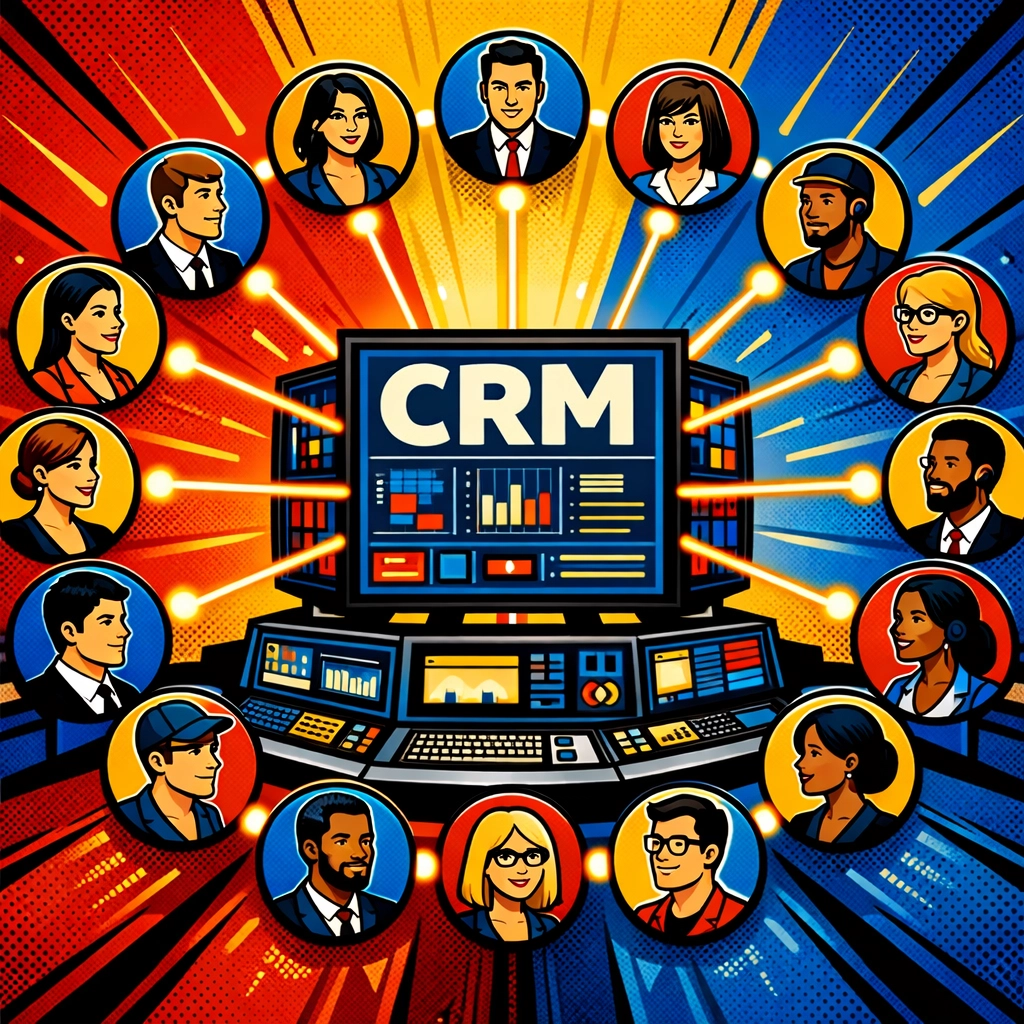
Your CRM should function as an intelligence system, not just a data repository. Modern CRM automation tracks all touchpoints across buying group members in a unified account view, showing which stakeholders are engaged and which require attention.
Eliminating Information Silos
When multiple team members interact with different contacts at the same account, information often remains siloed in individual inboxes and disconnected systems. CRM automation centralizes this intelligence, preventing duplicated efforts and ensuring no opportunity falls through the cracks.
Your sales team gains complete visibility into account status without requiring constant manual updates or status meetings. The system tracks engagement automatically and surfaces insights that would otherwise remain hidden in fragmented data.
Multi-Channel Orchestration
Effective B2B lead generation services coordinate touchpoints across email, LinkedIn, phone calls, and content engagement from a single platform. Your CRM automation sequences these interactions based on prospect behavior, ensuring appropriate follow-up occurs through the channel that's most likely to generate response.
This orchestration allows one salesperson to maintain relationships with significantly more prospects than traditional methods permit, without sacrificing personalization or responsiveness.
The Boutique Firm Advantage
Implementing sophisticated sales automation, CRM automation, and pipeline automation requires specialized expertise. Building this capability in-house means hiring marketing operations specialists, sales operations analysts, and potentially data scientists: each representing $80,000-$150,000 in annual costs.
Alternatively, you can access this expertise through specialized boutique firms that implement and manage these systems as an external service. This approach offers several advantages:
Immediate Expertise Without Hiring Cycles
Boutique B2B lead generation services bring tested methodologies and pre-built systems that can be deployed in weeks rather than months. You gain immediate access to capabilities that would take 6-12 months to build internally, if you could attract the necessary talent at all.
Variable Cost Structure
Rather than committing to fixed headcount regardless of performance, engagement with specialized firms typically follows a variable model tied to results. You pay for outcomes: qualified meetings, pipeline created, opportunities generated: rather than activity.
Technology Stack Optimization
Boutique firms maintain relationships across multiple sales automation and CRM automation platforms. They can recommend and implement the optimal stack for your specific situation rather than forcing you to commit to enterprise licenses before understanding what you actually need.
At Bullpen Business, we connect companies with these specialized boutique firms that have proven track records in pipeline automation and appointment setting services. Our network provides access to capabilities that would otherwise require significant hiring investments, allowing you to scale lead generation proportionally to opportunity rather than headcount.
How to Get Started Without Overcommitting
Scaling B2B lead generation without hiring more salespeople doesn't require ripping out your existing systems. You can implement these approaches incrementally:
Phase 1: Audit Your Current Process
Document how leads currently flow through your pipeline. Identify bottlenecks where manual processes slow response times or cause opportunities to stagnate. These bottlenecks represent your highest-value automation opportunities.
Phase 2: Implement Lead Scoring and Basic Automation
Deploy AI-powered lead scoring to help your existing team prioritize effectively. Add basic sales automation for follow-up sequences and appointment setting. These changes typically show measurable impact within 30-60 days.
Phase 3: Launch Targeted ABM Programs
Select 20-30 high-value target accounts and develop coordinated engagement strategies. This focused approach allows you to test ABM methodology without requiring complete process transformation.
Phase 4: Optimize Based on Data
Once automation and ABM programs are generating data, use CRM automation intelligence to identify what's working. Double down on effective channels and messaging while eliminating tactics that aren't generating pipeline.
This phased approach allows you to demonstrate ROI at each stage, making it easier to justify continued investment and expansion.
Your Next Move
The fastest way to scale your B2B lead generation isn't hiring more salespeople: it's amplifying what your existing team can accomplish through intelligent automation, focused targeting, and specialized expertise.
If you're evaluating how to scale your pipeline without proportionally scaling headcount, Bullpen Business can connect you with boutique firms specializing in sales automation, CRM automation, and appointment setting services that have delivered measurable results for companies in your situation.
Schedule a consultation to discuss your specific pipeline challenges and explore how our network of specialized firms can help you achieve your growth targets without the costs and risks associated with traditional hiring.
Comments