%20(3)_edited_edited.png)


The Ultimate Guide to CRM Automation: Everything You Need to Succeed Without Creating a Ghost Department
- Peter Casey
- Mar 20
- 5 min read

In the modern business landscape, data is often called the new oil. However, oil is useless if it sits in a tank without an engine to process it. For most B2B organizations, that engine is the Customer Relationship Management (CRM) system. When optimized through CRM automation, this engine can drive unprecedented growth. When neglected, it becomes a "ghost department": a high-cost, low-utility expense that your team avoids like the plague.
At Bullpen Business, we specialize in connecting companies with the boutique firms and specialized services needed to improve profitability. We’ve seen firsthand how the right sales automation strategy can transform a struggling pipeline into a high-performance revenue machine. This guide will walk you through the essentials of CRM automation, ensuring your technology serves your people, not the other way around.
1. Understanding the "Ghost Department" Trap
A ghost department occurs when a company invests heavily in sophisticated software: Salesforce, HubSpot, or Microsoft Dynamics: but fails to integrate it into the actual daily workflow of the sales team. The result? A CRM filled with outdated contact info, "dead" leads, and manual data entry tasks that drain productivity.
To avoid this, you must treat CRM automation as a process improvement tool rather than just a digital filing cabinet. The goal is to eliminate repetitive tasks, allowing your sales professionals to focus on what they do best: building relationships and closing deals.
2. The Foundation: Auditing Your Current Revenue Processes
Before you flip the switch on any automation, you must understand your existing workflows. Automation applied to a broken process only accelerates the breakdown.
Step A: Identify Bottlenecks Talk directly to your sales and marketing departments. Where do they spend the most time? Is it manually inputting lead data from web forms? Is it chasing down "no-shows" for discovery calls? These friction points are your primary candidates for pipeline automation.
Step B: Map the Customer Journey Trace a lead from the first touchpoint through to the final signature. Identify every moment where a manual action is required. By mapping this journey, you can pinpoint high-value opportunities for B2B lead generation services and automated follow-up sequences.
3. Key Areas to Implement CRM Automation
Effective automation isn't about doing everything at once. It’s about strategic implementation in areas that move the needle on profitability.
A. Lead Management and Scoring
Not all leads are created equal. Automation allows you to implement lead scoring based on firmographic data, web behavior, and buying signals. When a lead reaches a certain threshold, the CRM can automatically route it to the correct account executive. This ensures that your best talent is focused on the highest-probability opportunities.
B. Automated Follow-Up Workflows
The "speed to lead" is a critical metric in B2B sales. If a prospect downloads a whitepaper or fills out a contact form, they should receive a response within minutes, not days. Automated email sequences can nurture these leads, providing value-driven content until they are ready for a direct sales conversation.
C. Appointment Setting Services Integration
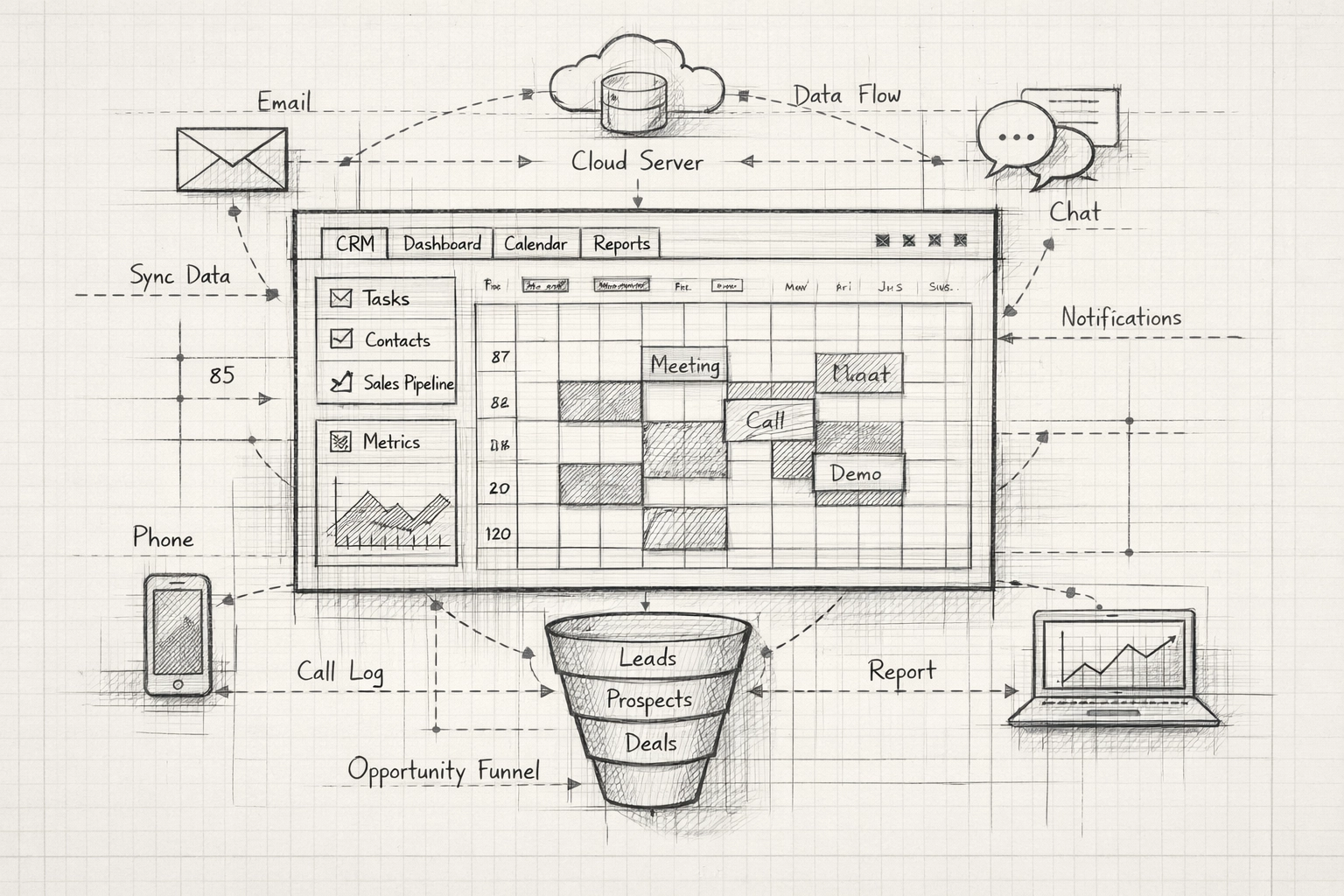
One of the most effective ways to scale is through specialized appointment setting services. When these services are integrated with your CRM, every booked meeting automatically populates the salesperson's calendar, attaches relevant prospect notes, and triggers a series of reminder notifications to reduce "no-show" rates.
4. Sales Automation: Moving Beyond Data Entry
The true power of sales automation lies in its ability to handle the administrative "grunt work." This includes:
Data Enrichment: Using tools to automatically populate fields like company size, industry, and current tech stack when a new contact is added.
Meeting Transcriptions: Leveraging AI to transcribe calls and automatically summarize key takeaways into the CRM record.
Task Management: Setting automated reminders for follow-ups after a deal reaches a specific stage in the pipeline.
By automating these elements, you ensure that your CRM remains a "living" document that provides real-time insights rather than a static repository of old information.
5. Customization: Building for Your Reality
A common mistake is trying to force your business into a generic CRM template. Every industry has unique nuances. Whether you are in healthcare, IT, or manufacturing, your pipeline automation must reflect your actual sales cycle.
Standardize Your Data: Before automating, ensure you have clear definitions for deal stages. What constitutes a "Qualified Lead" versus a "Discovery Call"?
Use Dropdowns, Not Free Text: To make automation work, the data must be clean. Limiting free-text fields reduces errors and allows the system to trigger actions based on specific selections.
Integrate Your Stack: Your CRM should be the "single source of truth." Ensure it is connected to your email marketing platform, your accounting software, and your B2B lead generation services.
6. How Bullpen Business Bridges the Gap
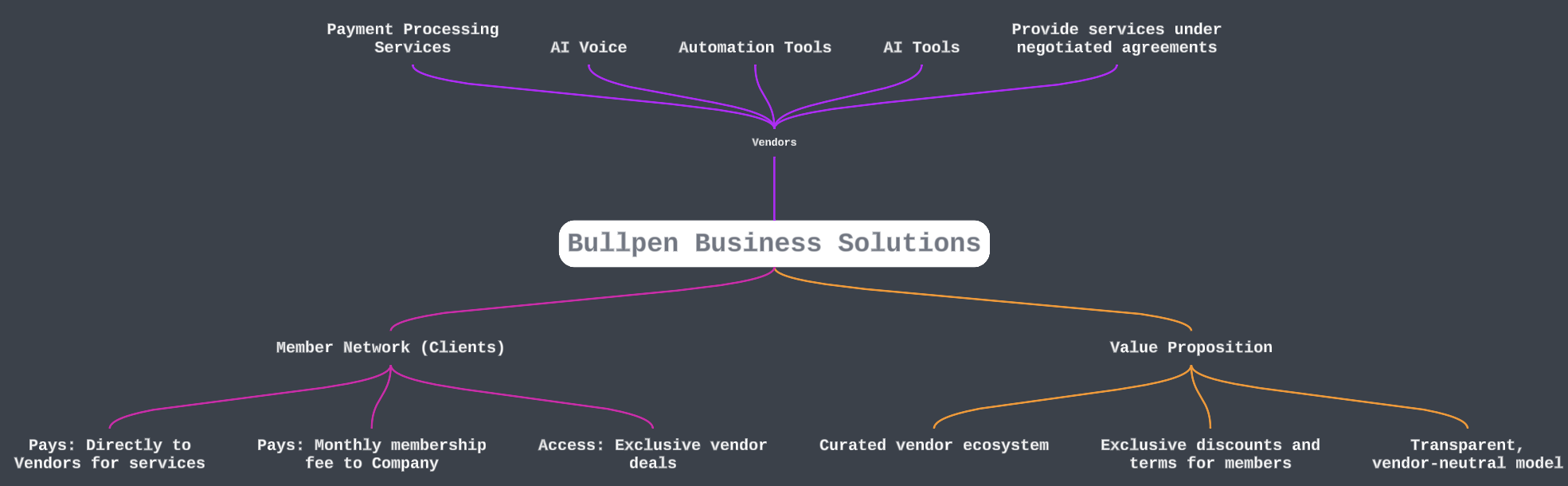
At Bullpen Business, we understand that mid-market to Fortune 1000 organizations often lack the internal bandwidth to vet and implement these complex systems. That is where our curated network comes in. We connect you with boutique firms that specialize in the exact solutions you need to improve profitability: without the overhead of a massive consulting contract.
Our Deal Matrix highlights how we identify core pain points: such as inefficient sales cycles or high overhead: and match them with market-leading solutions.
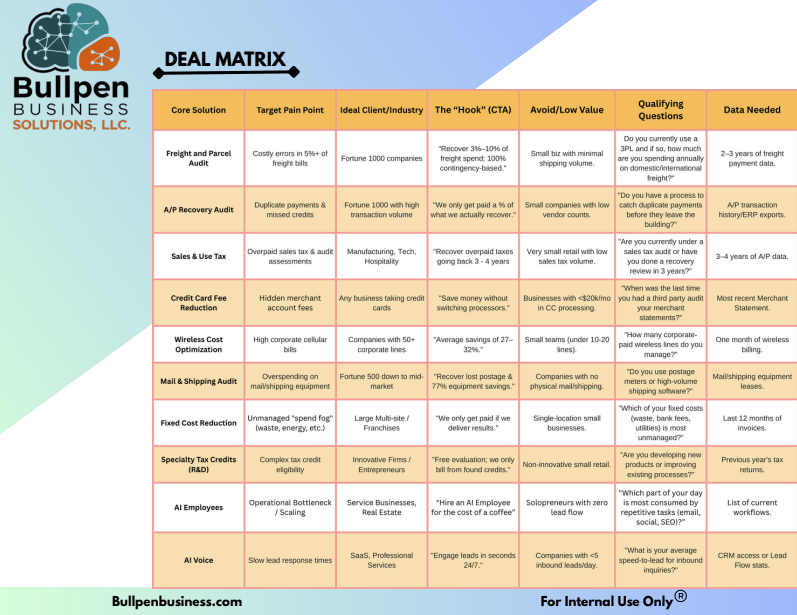
By leveraging our network, you gain access to exclusive vendor deals and a transparent, vendor-neutral model. Whether you need help with cost recovery or advanced CRM automation, our goal is to simplify the process so you can see immediate results.
7. The Role of AI in Modern CRM Systems
As we look toward the future, AI is no longer a luxury; it is a necessity for maintaining a competitive edge. AI-powered CRM tools can:
Predict Intent: Analyze behavior patterns to predict which prospects are most likely to buy in the next 30 days.
Sentiment Analysis: Evaluate the tone of customer emails to alert managers to potential churn risks.
Dynamic Content: Automatically adjust the messaging in follow-up emails based on the prospect's industry or past interactions.
When combined with human-led appointment setting services, AI creates a hybrid model that maximizes efficiency while maintaining the personal touch necessary for high-ticket B2B sales.
8. Measuring Success and ROI
You cannot manage what you do not measure. To ensure your automation isn't creating a "ghost department," track the following KPIs:
Lead Conversion Rate: Is automation helping you convert more inquiries into meetings?
Sales Cycle Length: Has the time from first contact to closed-won deal decreased?
User Adoption: Are your sales reps actually using the automated features, or are they working around them?
Data Accuracy: Is the information in your CRM becoming more or less reliable over time?
If you find that adoption is low, it’s usually a sign that the automation is too complex or doesn't solve a real problem for the user. Successful implementation requires constant feedback and minor adjustments.
Conclusion: Take the Next Step Toward Profitability
CRM automation is a journey, not a destination. It requires a clear strategy, the right tools, and a commitment to continuous improvement. By focusing on your actual sales processes and avoiding the "ghost department" trap, you can build a system that empowers your team and drives measurable growth.
At Bullpen Business, we are committed to helping you navigate this landscape. From identifying the right B2B lead generation services to implementing robust pipeline automation, we provide the connections and expertise you need to succeed.
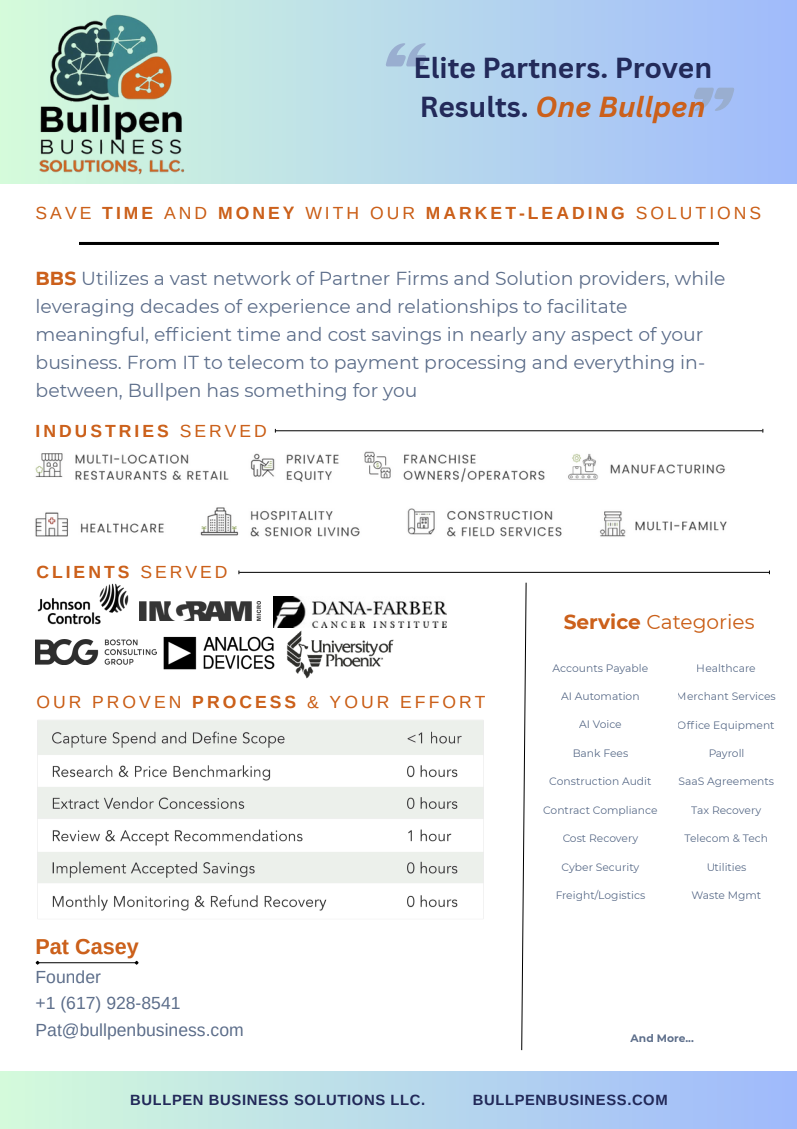
Ready to optimize your sales engine? Meet with our team here to explore how we can connect you with boutique firms tailored to your specific needs. Or, browse our full list of services and products to see how we help businesses recover costs and improve their bottom line.
For more insights on sales strategy and business efficiency, visit our blog. Your path to a more profitable, automated future starts here. Let’s get to work.
Comments