%20(3)_edited_edited.png)


7 Mistakes You’re Making with Sales Automation (And How to Stop the Revenue Leak)
- Peter Casey
- Apr 24
- 6 min read

Sales automation is often presented as the ultimate "set it and forget it" solution for business growth. In theory, it streamlines your workflow, reduces human error, and allows your sales team to focus on closing deals rather than managing spreadsheets. However, for many organizations, the reality is quite different. Instead of a streamlined engine, they end up with a high-speed system for generating errors, leading to significant revenue leakage.
At Bullpen Business, we specialize in identifying these inefficiencies and connecting companies with boutique firms that specialize in sales automation, CRM automation, and pipeline automation. We have seen firsthand how minor technical oversights can lead to major financial losses.
If you are not seeing the ROI you expected from your technology stack, you are likely making one of the following seven mistakes. Here is how to identify them and, more importantly, how to stop the leak.
1. Automating Chaos (The Premature Scaling Trap)
The most common mistake businesses make is automating a process that was never fully defined or functional to begin with. Automation acts as an amplifier. If you automate a high-performing process, you amplify your success. If you automate a broken, chaotic manual process, you simply scale that chaos at a rate no human can manually correct.
When you automate "chaos," you remove the human oversight that previously acted as a safety net. For example, if your manual follow-up process is inconsistent, applying pipeline automation to it might result in duplicate emails being sent to the same lead or, conversely, leads falling through the cracks entirely because the "triggers" weren't based on sound logic.
Before you invest in advanced tools, you must document your manual workflows. If your team cannot explain the step-by-step path a lead takes from interest to closed-won, your automation will fail.
2. Neglecting CRM Data Hygiene
Your CRM automation is only as effective as the data residing within your system. Feeding "dirty" data: such as outdated contact information, duplicate entries, or unstructured notes: into an automated workflow guarantees poor results.
If your CRM cannot distinguish between a C-level executive and an entry-level intern because the "Job Title" field is messy, your automated messaging will inevitably miss the mark. High-level automation requires high-quality data. Without a rigorous standard for data entry and regular cleaning, you are essentially delivering highly personalized mistakes to your entire database.
We recommend implementing strict validation rules within your CRM to ensure that only clean, categorized data enters your automation funnels. This prevents the "garbage in, garbage out" cycle that plagues many B2B organizations.

3. Treating B2B Lead Generation Services Like a "Blast"
Many companies approach B2B lead generation services with a volume-first mentality, using automation to blast thousands of generic messages. This is a significant mistake that damages your brand reputation and results in a "revenue leak" through missed high-value opportunities.
Modern B2B buyers are sophisticated. They can recognize a generic automated template from a mile away. When your automation lacks personalization or relevance, your prospects don't just ignore you: they mark you as spam. This can lead to your domain being blacklisted, which is a catastrophic revenue leak that takes months to repair.
Effective automation should be used to facilitate personalization at scale, not to replace it. Use automation to gather insights and trigger specific, relevant communications based on a prospect’s actual behavior or industry needs.
4. Failing to Prioritize Leads Through Lead Scoring
Not all leads are created equal. One of the primary reasons appointment setting services fail to deliver a high ROI is a lack of automated lead scoring. If your sales team is spending 50% of their time talking to "leads" that have no budget or authority, you are leaking revenue in the form of wasted wages and missed opportunity costs.
Automation should be used to rank leads based on their engagement and fit. By using pipeline automation to assign scores to actions: such as downloading a whitepaper, visiting a pricing page, or opening multiple emails: you ensure that your human sales reps only step in when a lead is "sales-ready."
If you are struggling to identify which leads deserve your team's immediate attention, it may be time to consult with an expert. You can meet with our team here to discuss how to better align your lead prioritization.
5. Disconnected Silos and Manual Handoffs
Revenue leakage often occurs at the "seams" of your business: the points where a lead moves from marketing to sales, or from sales to billing. If your data lives in Salesforce, your billing in NetSuite, and your contracts in a separate PDF folder, every manual handoff is a potential point of failure.
Manual data re-entry is the enemy of profitability. Every time a human has to copy-paste information from one system to another, there is a risk of error. A mistyped decimal point or a forgotten line item in a contract can result in thousands of dollars in lost revenue.
To stop the leak, your sales automation must be integrated. Your CPQ (Configure, Price, Quote) system should feed directly into your billing system. This "quote-to-cash" automation ensures that what was promised by the salesperson is exactly what is invoiced by the finance team.
6. Over-Automating the Human Element
There is a point of diminishing returns with automation. While appointment setting services can benefit from automated scheduling links, over-automating the early stages of a relationship can feel cold and transactional.
If a prospect asks a specific question and receives a generic automated response that doesn't address their concern, the trust is broken. Revenue leaks happen when prospects feel like they are just a number in your CRM.
The goal of automation should be to remove the "grunt work" so your team has more time for high-value human interaction, not to remove the human interaction entirely. Use automation to handle the follow-up reminders and data entry, but keep the actual conversation personal and consultative.
7. The "Set It and Forget It" Mentality
Markets change, buyer behaviors shift, and technology evolves. A sales automation workflow that worked perfectly six months ago may be underperforming today. Many businesses suffer from "revenue decay" because they fail to audit their automated systems.
Are your email open rates dropping? Is your pipeline bottlenecking at a specific stage? If you aren't regularly reviewing your analytics, you won't know where the leak is occurring.
We suggest a quarterly audit of all automated sequences. Look for "dead ends" in your workflows where leads stop engaging and never move to the next stage. Constant refinement is the only way to maintain peak profitability.

How Bullpen Business Plugs the Leaks
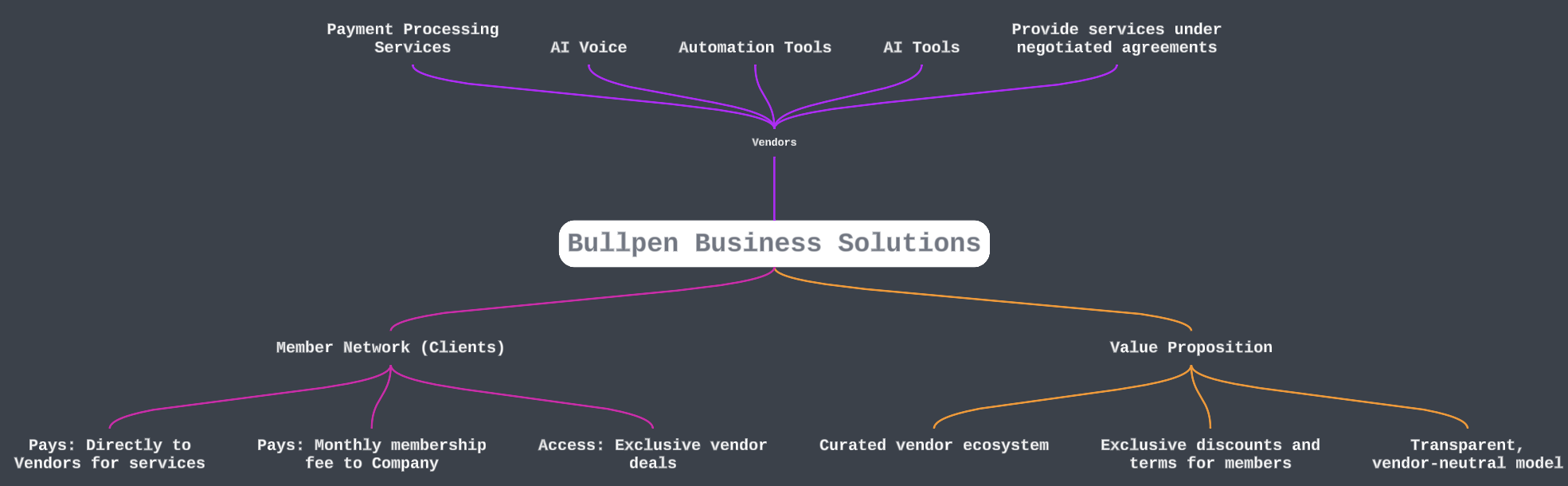
Identifying these mistakes is the first step; fixing them requires specialized expertise. At Bullpen Business, we understand that most mid-market companies don't have the internal resources to build and maintain complex, integrated automation ecosystems.
We act as your strategic partner, connecting you with boutique firms that specialize in the exact areas where you are losing money. Whether you need to overhaul your CRM automation, optimize your B2B lead generation services, or implement a more robust pipeline automation strategy, we provide the roadmap to improved profitability.
Our model is designed to be transparent and vendor-neutral. We don't just sell you a piece of software; we provide access to a curated network of experts who ensure your technology actually serves your business goals.
Why Choose a Boutique Firm via Bullpen?
Niche Expertise: Generalist agencies often lack the deep technical knowledge required for complex CRM integrations.
Cost Efficiency: You gain access to high-level consulting without the overhead of a massive global firm.
Focused Results: Our partners are incentivized to stop your revenue leaks and prove their value through measurable ROI.
If you are ready to stop guessing and start growing, it is time to evaluate your current stack. You can view our pricing plans to see how we can help you scale your operations efficiently.
Summary: Stop the Leak Today
Sales automation is a powerful tool, but it is not a magic wand. Revenue leakage is often a symptom of underlying process issues, poor data hygiene, or disconnected systems. By avoiding these seven common mistakes: automating chaos, ignoring data hygiene, over-automating, and failing to audit: you can transform your sales process into a predictable revenue engine.
Don't let your hard-earned leads slip through the cracks of a broken system. Focus on building a solid foundation of clean data and integrated workflows. When you are ready to take your automation to the next level, Bullpen Business is here to connect you with the right experts to get the job done.
For more information on how we help businesses optimize their operations and recover lost costs, explore our full list of services.
Comments