%20(3)_edited_edited.png)


The Fastest Way to Get Better at Pipeline Automation Without Hiring a Single Sales Rep
- Peter Casey
- Apr 4
- 5 min read

In the current B2B landscape, the traditional model of scaling a sales team is increasingly becoming a liability for mid-market organizations. The "hire fast" mentality often leads to a cycle of high overhead, lengthy ramp-up times, and inconsistent performance. A fully loaded Sales Development Representative (SDR) can cost a company upwards of $10,833 per month, yet the results often fluctuate based on individual execution and turnover.
The alternative is pipeline automation. By implementing a systematic, technology-driven approach, companies can generate significantly more pipeline at a fraction of the cost of a single human hire. This transition does not require a massive internal engineering team; rather, it requires a strategic framework and access to the right boutique service providers.
The Cost-Efficiency of Automation vs. Human Capital
When you compare the investment required for manual outreach versus automated systems, the data is clear. Automated solutions typically cost approximately $167 per month to maintain once the infrastructure is established. This represents 1.5% of the cost of a traditional SDR.
Furthermore, automation provides a level of consistency that human staff cannot replicate. A system does not experience burnout, does not require a vacation, and maintains a 24/7 operational cycle. The goal of pipeline automation is not to replace the human element of closing a deal, but to ensure that your sales professionals are only spending time on high-intent conversations.
A Four-Week Framework for Implementation
To improve your pipeline automation without new hires, we recommend a phased implementation. This framework focuses on building a foundation that scales.
Week 1: Infrastructure and CRM Automation
The first step involves aligning your technology stack. For automation to be effective, your CRM automation must be the "source of truth." This involves connecting your CRM to your email sending tools and a webhook handler to create a seamless data flow.
Audit your current CRM: Ensure that fields are standardized and that lead statuses are clearly defined.
Establish Webhooks: Set up triggers so that when a prospect engages with your content or reaches a certain lead score, the information is automatically pushed to the next stage of the sequence.
Integrate Sales Automation Tools: Select tools that allow for multi-channel outreach while maintaining a centralized log of all interactions.
Week 2: Data Enrichment and B2B Lead Generation Services
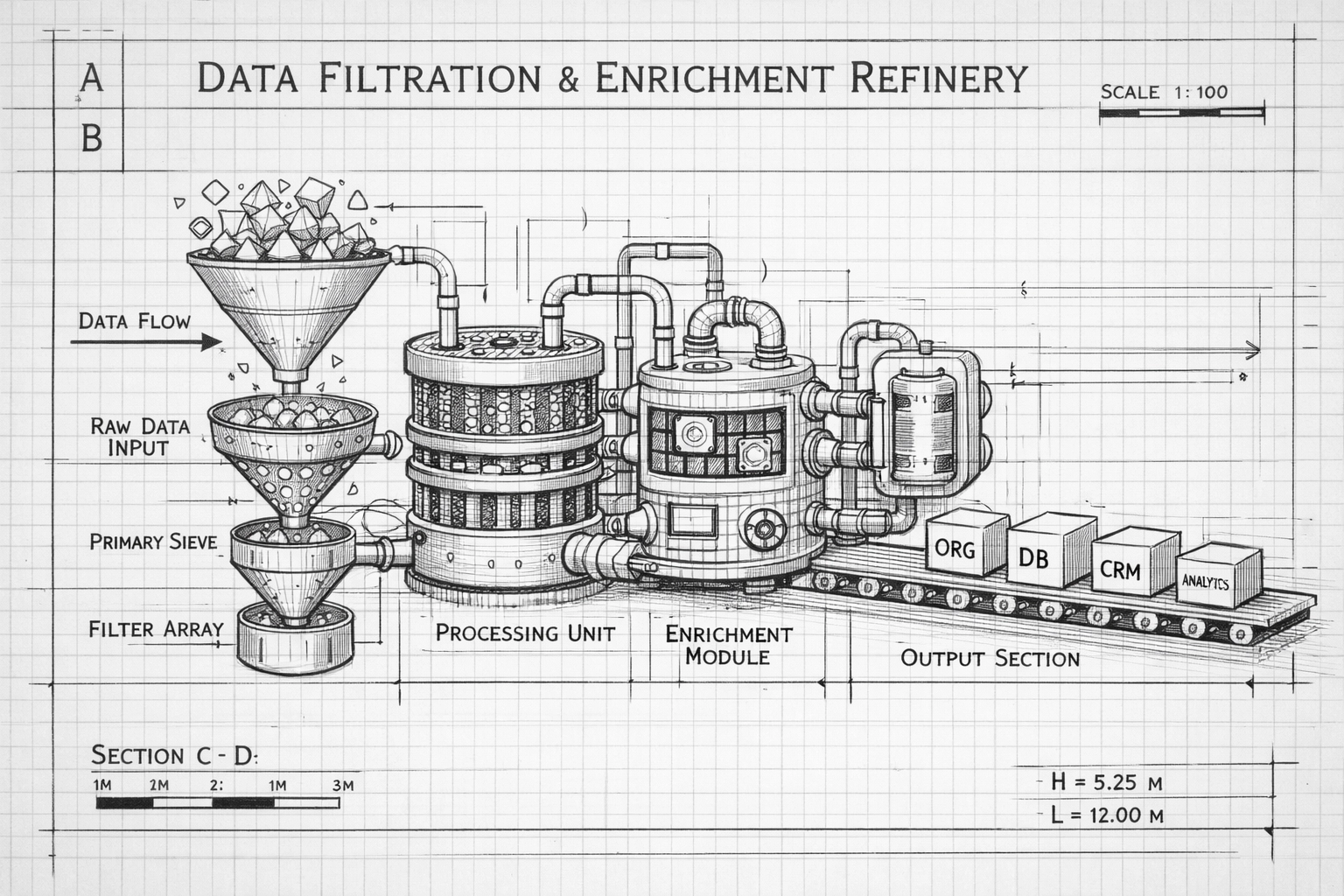
An automated system is only as effective as the data fueling it. Manual prospecting is a primary cause of inefficiency. To scale, you must leverage B2B lead generation services that provide high-fidelity, enriched data.
Using data enrichment services allows you to query multiple providers simultaneously. This process identifies current professional contact information, validates email deliverability, and filters out outdated leads. By automating the data enrichment layer, you ensure that your messaging reaches the correct decision-makers without manual intervention.
Week 3: Email Warming and Reputation Management
One of the most common failures in pipeline automation is ignoring domain reputation. If you begin sending high volumes of automated emails from a fresh domain, your messages will likely be flagged as spam.
Week three should be dedicated to "warming" your email domains. Tools like Smartlead or similar platforms send automated, low-volume emails to established accounts to build trust with internet service providers (ISPs). This process typically takes 2-3 weeks. Without this step, your outreach efforts will fail to reach the inbox, rendering the rest of your automation useless.
Week 4: Automated Outreach and Appointment Setting Services
Once the infrastructure is set and the data is enriched, the final step is launching your sequences. This is where appointment setting services and AI-driven personalization come into play.
Modern automation allows for "spintax" (slight word variations) and AI personalization layers that make every email feel unique to the recipient. This prevents spam filters from identifying repetitive patterns. At this stage, you should also configure Slack or CRM alerts for replies, ensuring that when a lead responds, your team can pivot to a manual, high-touch sales process immediately.
Optimizing for Long-Term Profitability
After the initial 30-day implementation, the focus shifts to optimization. You should expect to see a significant shift in your pipeline composition. In many case studies, outbound-generated pipeline has jumped from 10% to over 20% of the total pipeline within the first quarter of automation.
Monitoring Intent and Classification
Review your response rates categorized by prospect intent. If certain industries or job titles are responding at a higher rate, your sales automation should be adjusted to prioritize those segments. This iterative process ensures that your ROI continues to climb as the system "learns" which prospects are most likely to convert.
The Role of Boutique Firms
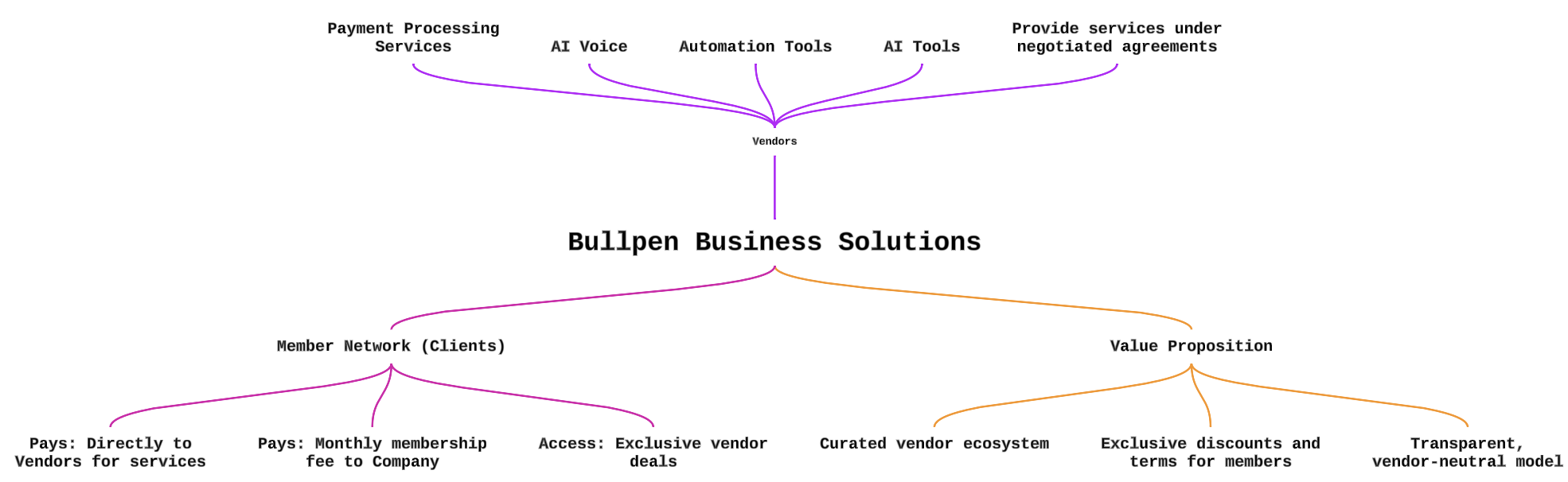
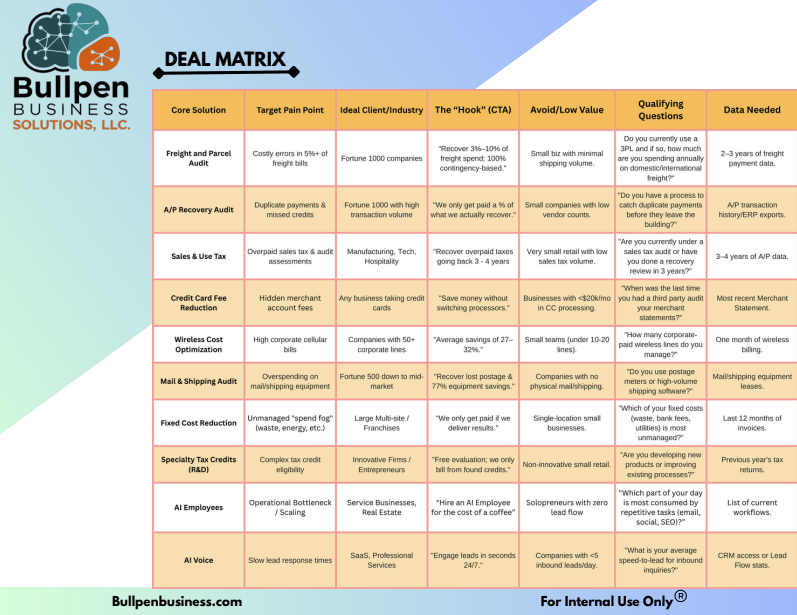
Building this infrastructure in-house can be daunting. Bullpen Business specializes in connecting organizations with boutique firms that handle these specific tasks: from CRM automation to full-scale B2B lead generation services. Instead of hiring a generalist SDR, you are hiring a specialized system managed by experts.
Why Automation is the Fastest Path to Scale
The primary advantage of automation is the elimination of "ramp time." A new sales hire typically takes 3-6 months to become fully productive. An automated pipeline can be fully operational and generating meetings within four weeks.
For more insights on how to scale without increasing headcount, you may find our guide on scaling B2B lead generation without more salespeople useful.
Key Benefits of the Automated Approach:
Predictability: Unlike human performance, which can fluctuate, an automated system performs the same tasks every day with mathematical precision.
Cost Reduction: By shifting from high-salary hires to low-cost software and managed services, you improve your company's bottom-line profitability.
Scalability: If you need to double your output, you simply increase your data subscription or add more sending accounts. You do not need to go through a multi-month hiring and training process.
Strategic Integration with Bullpen Business
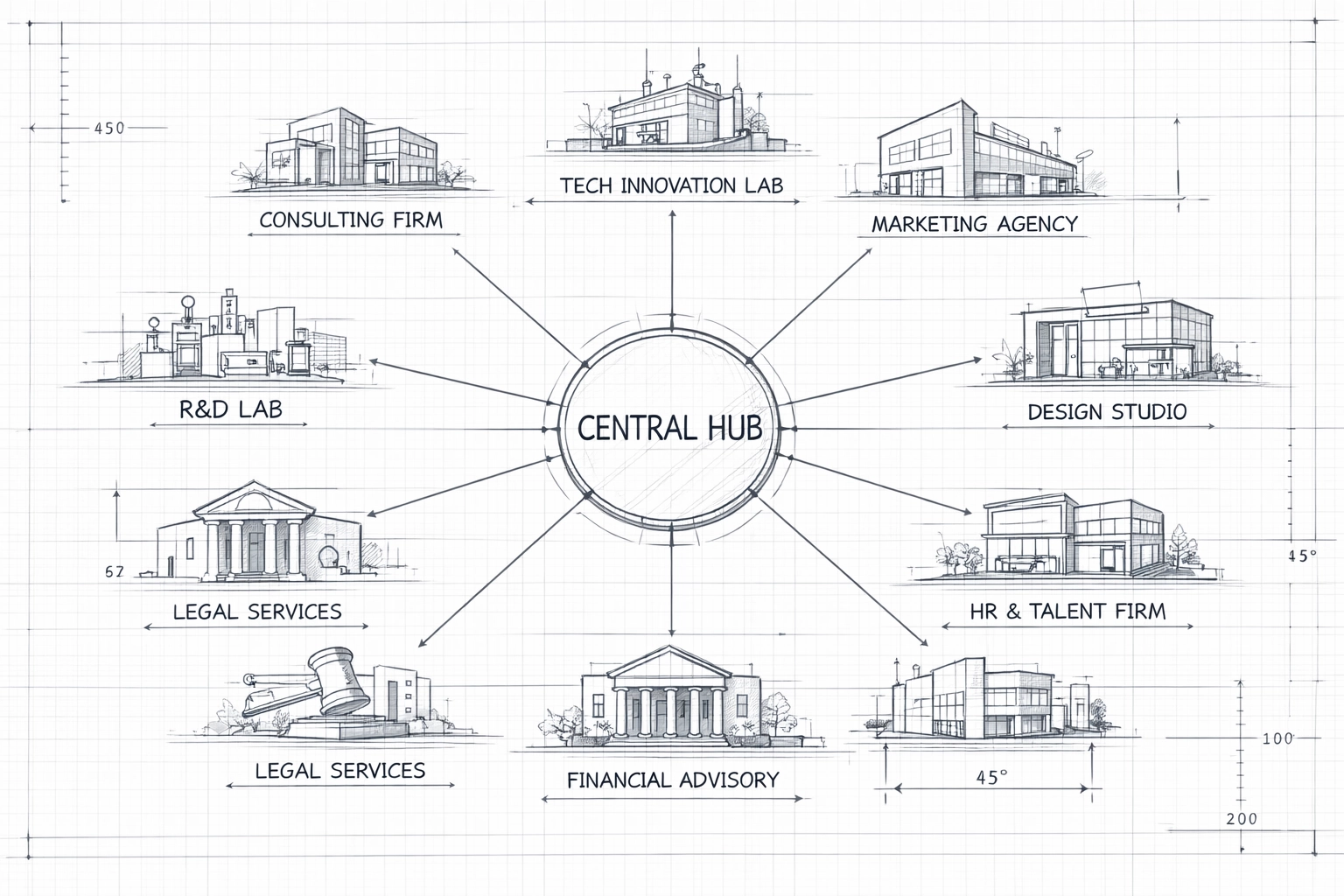
At Bullpen Business, we understand that the goal of every organization is to maximize profit while minimizing unnecessary risk. Our network of partner firms provides market-leading solutions in the realm of cost recovery, IT, and specialized business consulting.
If your organization is struggling with inconsistent lead flow or the high costs of a traditional sales team, it may be time to consider a specialized approach. You can meet with our team here to discuss how we can help you navigate the landscape of boutique firms specializing in pipeline automation.
Conclusion
Improving your pipeline does not require more people; it requires a better process. By focusing on CRM automation, data enrichment, and AI-driven outreach, you can build a lead generation engine that is more efficient and more profitable than a traditional sales floor.
The transition to an automated pipeline is a strategic move toward operational excellence. It allows your existing team to focus on what they do best: closing deals: while the technology handles the repetitive, high-volume work of finding and qualifying new opportunities.
To explore our full range of solutions designed to improve business profitability, visit our category of all products. By leveraging the right tools and the right partners, you can achieve a level of growth that was previously reserved only for the largest enterprises.
Comments