%20(3)_edited_edited.png)


5 Steps How to Master Sales Automation and Restore Your Team’s Capacity
- Peter Casey
- 5 days ago
- 5 min read

In the modern business environment, time is a finite resource that directly correlates with your organization's profitability. Many sales teams find themselves buried under a mountain of administrative tasks, manual data entry, and repetitive follow-ups that detract from their primary objective: closing deals. When your high-value talent is occupied with low-value tasks, your team’s capacity is effectively diminished, leading to missed opportunities and stagnant growth.
Sales automation is no longer a luxury reserved for enterprise-level corporations. It has become a foundational requirement for any business looking to remain competitive. By implementing strategic sales automation, you can streamline your workflows, ensure no lead falls through the cracks, and restore your team's ability to focus on human-centric selling.
At Bullpen Business, we specialize in connecting companies with boutique firms that provide specialized B2B lead generation services and advanced automation solutions. This guide outlines the five essential steps to mastering automation and reclaiming your team's most valuable asset: their time.
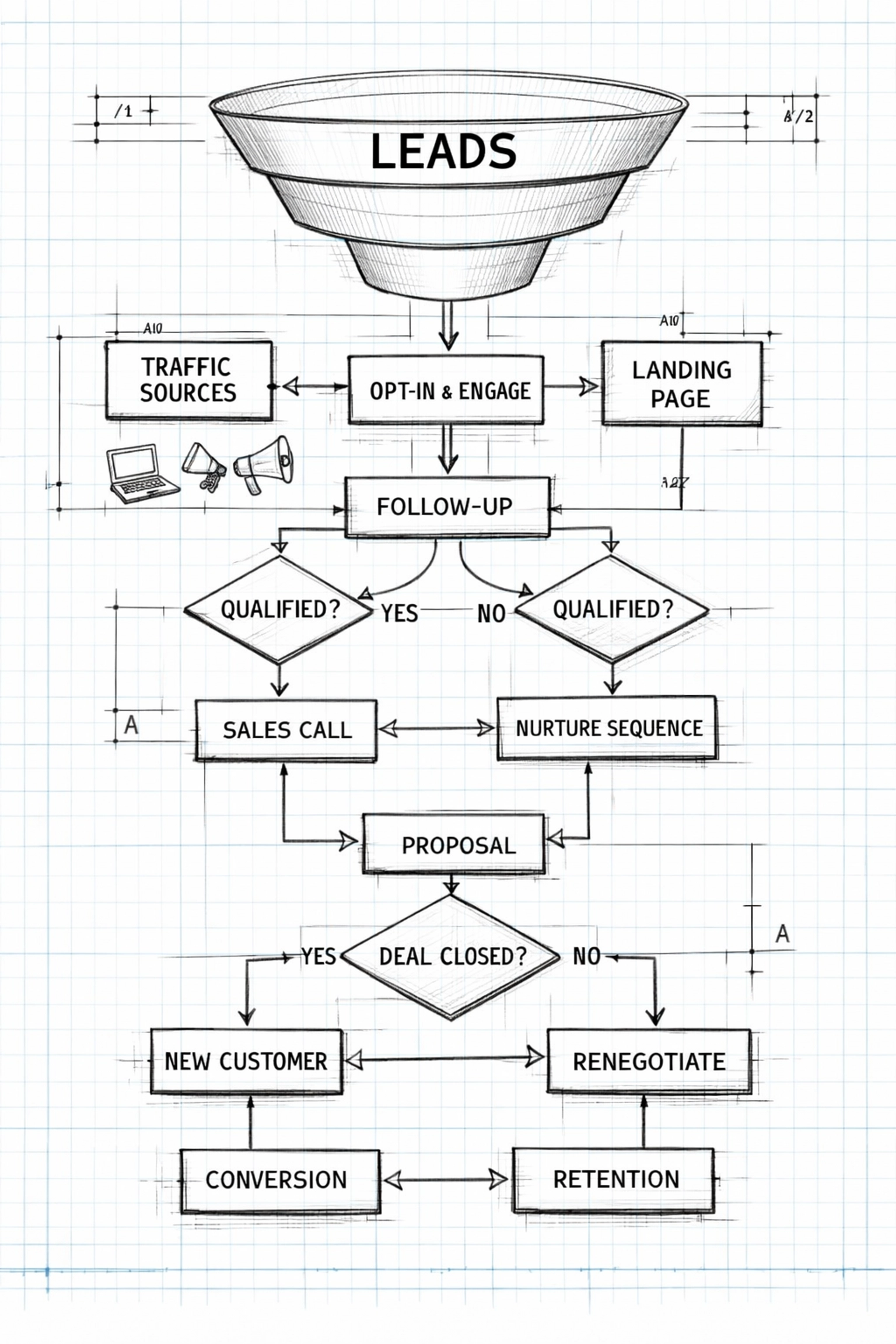
Step 1: Define and Audit Your Sales Process
Before you can successfully implement any technical solution, you must have a crystalline understanding of your existing sales workflow. Automating a broken or inefficient process will only accelerate your problems. You must begin by mapping out every stage of your pipeline, from the initial point of contact to the final signature.
Start by identifying every touchpoint a prospect has with your brand. This includes social media interactions, website form submissions, and direct outreach. Once these are identified, break down each stage into individual, granular tasks.
To gain an accurate perspective, you should directly engage your sales representatives through interviews or surveys. Your team members are the best source of information regarding which activities are repetitive and time-consuming. They can identify the specific bottlenecks that slow down their daily operations. By focusing on these high-friction areas, you can prioritize automations that offer the highest immediate impact.
Step 2: Choose the Right CRM and Automation Tools
Selecting the appropriate technology stack is a critical decision that will dictate the success of your automation efforts. Your choice should be governed by your specific business requirements and your long-term scalability goals. The centerpiece of this ecosystem is often CRM automation, which serves as the single source of truth for all client data.
When evaluating tools, you should prioritize user-friendliness. An intuitive interface minimizes the learning curve and ensures that your team will actually adopt the system. A powerful tool that is too complex to use will quickly become shelf-ware.
Furthermore, you must ensure that your new automation tools integrate seamlessly with your existing tech stack. Disconnected systems lead to data silos, which require manual intervention to reconcile: the very thing you are trying to avoid. Your automation strategy should encompass:
B2B lead generation services: Tools that identify and qualify prospects automatically.
Appointment setting services: Systems that allow prospects to book time directly on your team's calendars.
Pipeline automation: Software that moves deals through stages based on specific triggers.
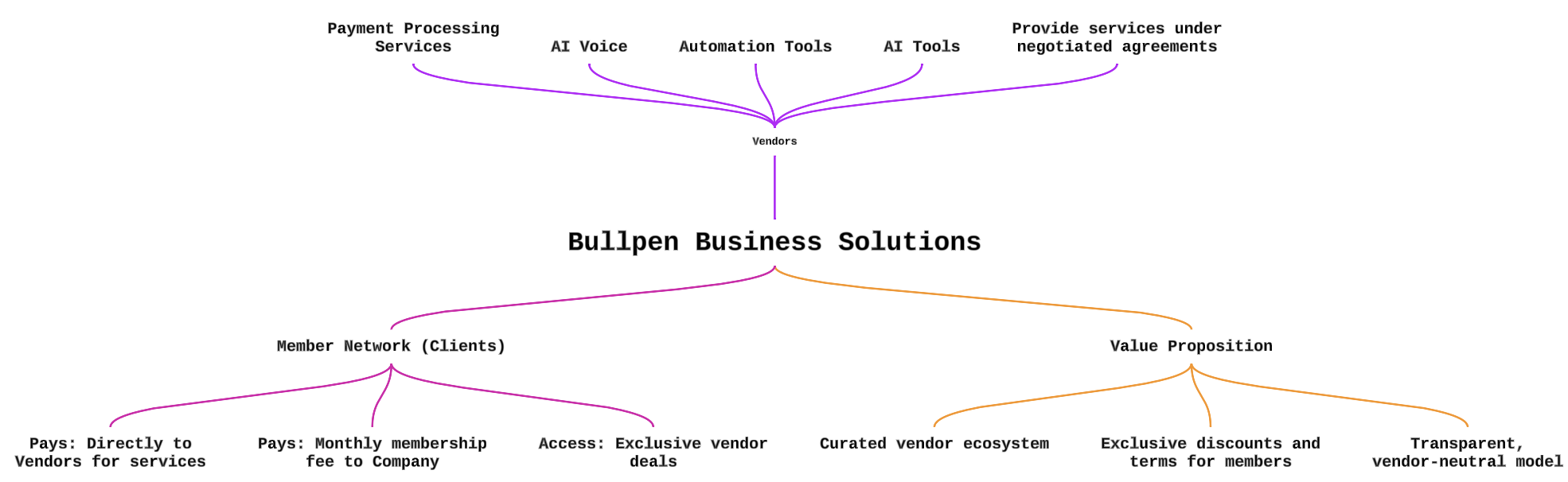
Bullpen Business helps bridge the gap by identifying boutique firms that offer tailored solutions for these specific needs. You can explore our network and service offerings through our sitemap.
Step 3: Configure Workflows with Triggers and Actions
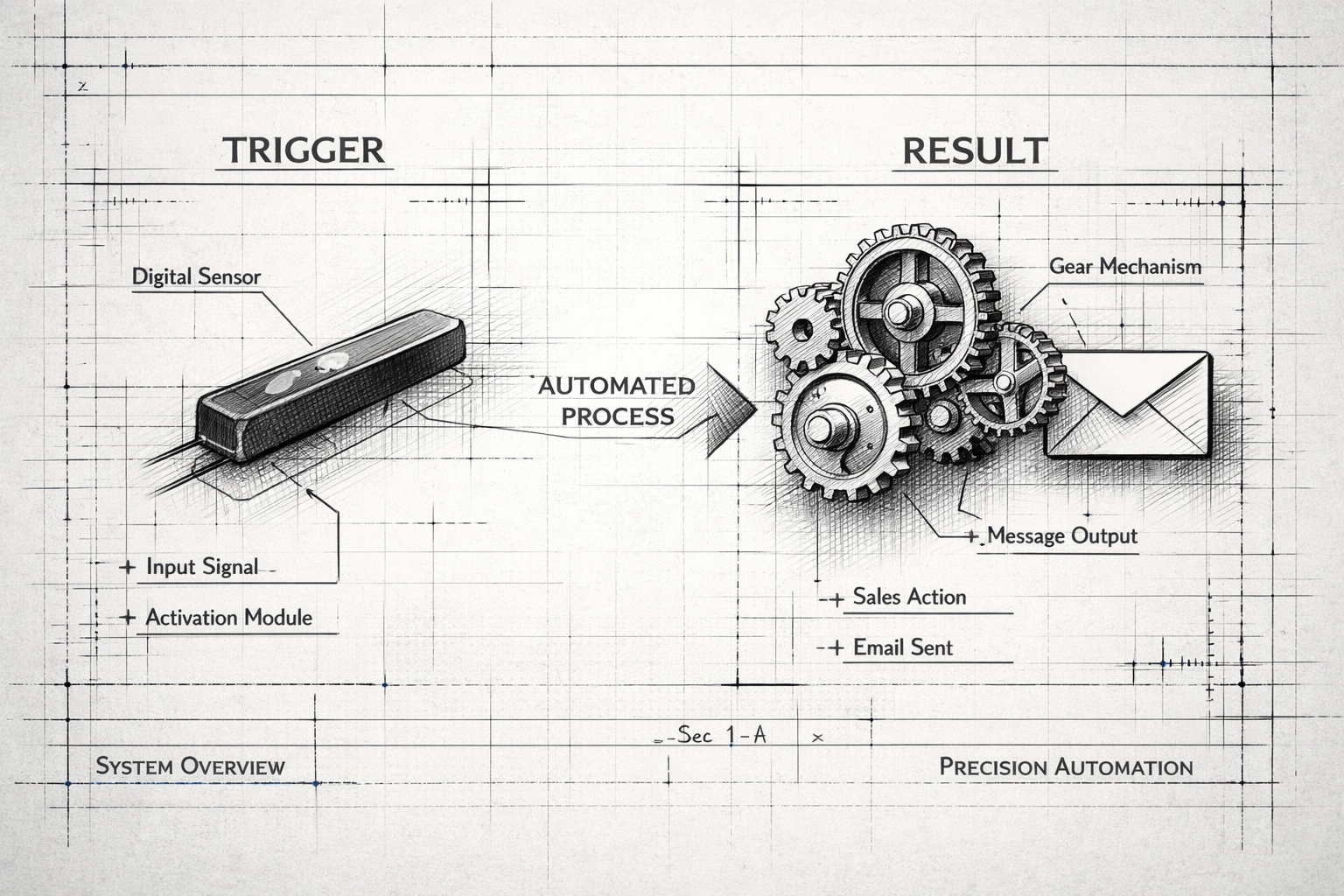
Once you have selected your tools, the next step is the technical configuration of your automation rules. This is where you translate your mapped-out processes into functioning software logic. Successful pipeline automation relies on a clear understanding of three components: the trigger, the condition, and the action.
The trigger is the event that initiates the automation. For example, a new lead filling out a contact form on your website. The condition is the criteria that must be met for the action to take place, such as the lead belonging to a specific industry or geographic region. The action is the automated task itself, such as sending a personalized follow-up email or assigning the lead to a specific account executive.
You should begin by automating the most frequent and predictable tasks. These typically include:
Lead scoring and categorization.
Automatic email sequences for nurturing.
Task reminders for sales reps based on deal age.
Updating lead status when a specific document is signed.
Before a full-scale rollout, we recommend a pilot approach. Test your workflows with a small subset of your team to identify any logic errors or unintended consequences. Refining your processes in a controlled environment prevents widespread frustration during the official launch.
Step 4: Comprehensive Team Training and Adoption
Technology is only as effective as the people who use it. One of the most common reasons sales automation initiatives fail is a lack of thorough team training. Your reps need to understand not just how to use the tools, but why the tools are being implemented.
Organize detailed training sessions that utilize real-world scenarios relevant to your business. Demonstrate how the automation handles the "busy work," allowing them to focus on high-value activities like relationship building and strategic negotiation.
It is important to establish clear Key Performance Indicators (KPIs) and check tool usage regularly. Identify "champions" within the team: early adopters who can provide peer-to-peer support and share success stories. This build's internal momentum and encourages the more hesitant members of your team to embrace the new system. Consistent reinforcement is key to making automation a permanent part of your corporate culture.
Step 5: Monitor, Measure, and Optimize
Mastering sales automation is an iterative process, not a one-time event. You must continuously monitor your system’s performance to ensure it is delivering the expected gains in capacity and profitability. Use the analytics features within your CRM to track metrics such as time saved per deal, lead conversion rates, and total sales volume.
Research indicates that companies implementing sales automation effectively can reduce costs by 10-15%. In many cases, order processing times can be reduced from days to just a few hours. These efficiency gains directly impact your bottom line.
Regularly review your automated workflows to see which are performing well and which require adjustment. Solicit ongoing feedback from your sales team to identify new areas where automation could be beneficial. As your business grows, your automation needs will evolve, and your system should be flexible enough to scale with you. If you are looking to refine your strategy or explore new cost-saving measures, you can view our pricing plans to see how we can assist in your optimization journey.
Conclusion: Restoring Your Competitive Edge
By following these five steps, you can transform your sales department from a reactive group burdened by administration into a proactive, high-capacity revenue engine. Mastering sales automation allows your team to spend more time engaging with prospects and less time managing software.
At Bullpen Business, we understand that navigating the landscape of appointment setting services and B2B lead generation services can be overwhelming. Our mission is to simplify this process by connecting you with vetted, boutique firms that align with your specific goals. Improving your team’s capacity is the first step toward significant growth and long-term profitability.
If you are ready to explore how specialized automation can benefit your organization, we invite you to learn more about our business model and how we help companies like yours save both time and money. Your team’s capacity is their greatest asset; it is time to restore it.
Comments