%20(3)_edited_edited.png)


7 Mistakes You’re Making with Sales Automation (And How to Fix Them Using Found Money)
- Peter Casey
- Mar 24
- 6 min read

In the pursuit of rapid growth, many B2B organizations turn to sales automation as a silver bullet. The promise is seductive: more leads, faster follow-ups, and a scaled pipeline, all without increasing your headcount. However, the reality often looks quite different. For many companies, "automation" quickly turns into "software bloat": a collection of expensive, disconnected tools that frustrate your sales team and alienate your prospects.
At Bullpen Business, we see this cycle constantly. Companies invest heavily in CRM automation and B2B lead generation services, only to find their conversion rates dropping. The problem isn’t the technology itself; it’s how it is implemented. Even worse, the budget for these tools often eats into the very margins you are trying to expand.
In this guide, we will break down the seven most common mistakes companies make with sales automation and, more importantly, how you can fix them using "found money": capital recovered from existing operational inefficiencies to fund high-impact growth.
1. Dirty Data and CRM Fragmentation
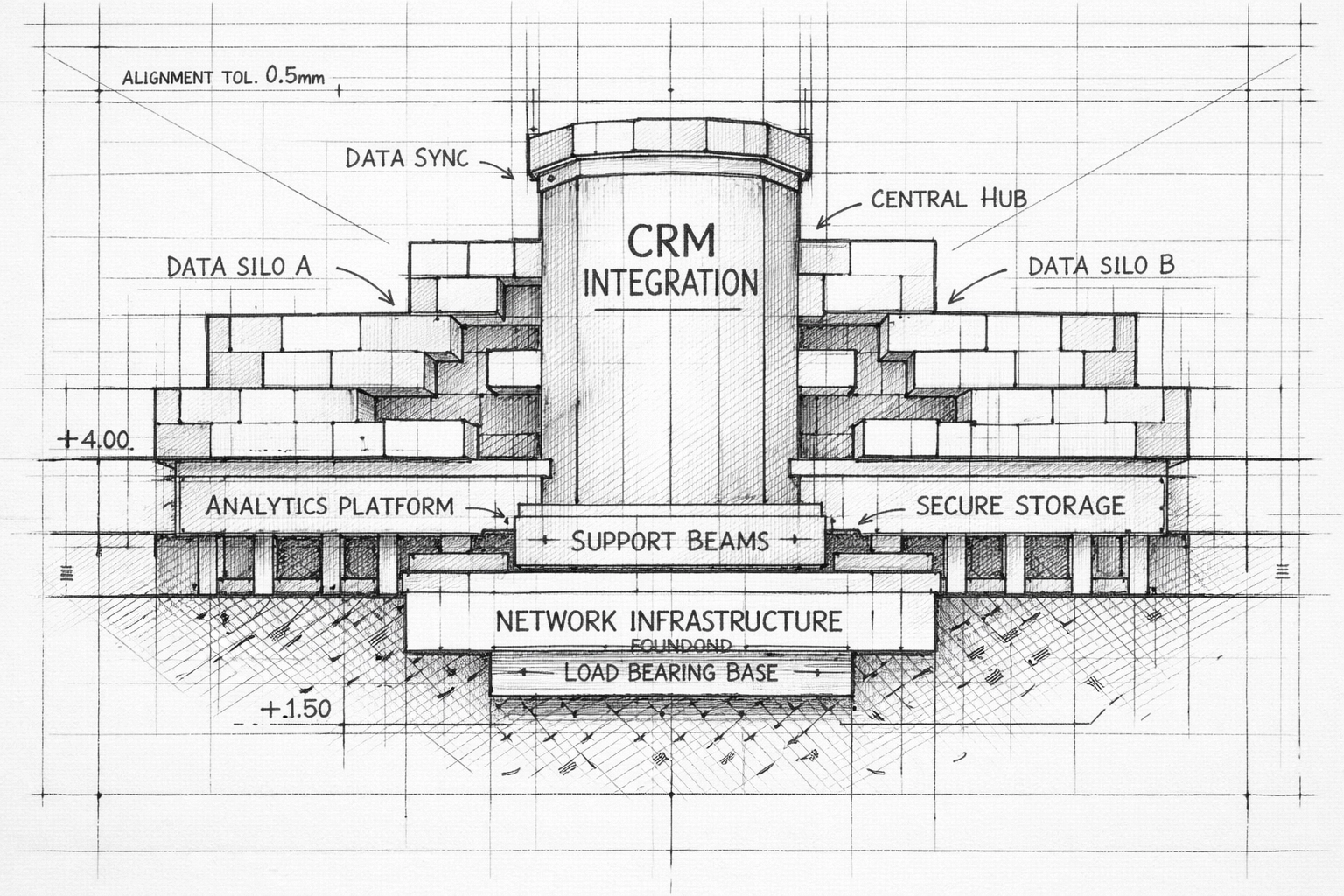
The most sophisticated sales automation in the world cannot fix a broken foundation. Many firms suffer from poor data quality: duplicate records, outdated contact information, and scattered customer interactions across multiple platforms. When your CRM automation is built on "dirty" data, your automated sequences will inevitably reach the wrong people with the wrong message.
A common symptom of this is the "fragmented tool stack." You might have one tool for lead scraping, another for email sequences, and a third for scheduling, none of which communicate effectively with your primary CRM. This creates data silos that prevent a holistic view of the customer journey.
The Fix: Centralize your data before you automate it. Implement a rigorous data cleansing process and ensure all tools in your stack are natively integrated. If you are struggling with CRM automation, it is often more cost-effective to partner with a boutique firm that specializes in data architecture than to keep paying for features you can't use correctly.
2. The "Set It and Forget It" Trap
Automation is often treated as a passive activity. Many leaders believe that once a pipeline automation sequence is built, it will run indefinitely with the same level of effectiveness. This is a mistake. Market conditions change, buyer personas evolve, and email service providers update their algorithms.
When an automation sequence becomes stale, engagement drops. A flow that once saw a 20% open rate might dwindle to 5% over a year. Without constant monitoring and optimization, your automated outreach becomes white noise.
The Fix: Treat your automation as a living organism. Review your key performance indicators (KPIs) monthly. A/B test your subject lines, adjust your call-to-actions, and ensure your messaging remains relevant to the current challenges your prospects are facing.
3. Over-Automating and Losing the Human Touch
There is a fine line between efficiency and "robotics." In the world of B2B lead generation services, personalization is the currency of trust. If a prospect feels like they are just a line item in a mass-distributed sequence, they will ignore you.
Over-automation occurs when you remove human judgment from critical inflection points in the sales process. Sending a generic automated follow-up immediately after a high-value discovery call is a quick way to kill a deal.
The Fix: Use automation to handle the "drudge work": data entry, meeting reminders, and initial cold outreach: but keep the high-value interactions manual. Automation should give your sales team more time to be human, not replace them. For more on this, read our guide on how to use sales automation to stop scaling your ghost department.
4. Poor Lead Qualification and Scoring
Many companies use sales automation to cast the widest net possible. They flood their systems with thousands of low-quality leads, assuming that "more is better." This results in a clogged pipeline and a frustrated sales team that spends 80% of their time chasing prospects who will never buy.
Without proper lead scoring: assigning value to prospects based on their behavior and fit: your appointment setting services will be inefficient. You'll end up booking meetings with "tire-kickers" while your ideal clients slip through the cracks.
The Fix: Implement a robust scoring framework. Look at both demographic data (job title, company size) and behavioral data (webpage visits, content downloads). Ensure your pipeline automation only pushes high-scoring leads to your account executives.
5. Linear Workflows Without Branching Logic
A major mistake in pipeline automation is creating "one-track" workflows. This assumes every prospect follows the exact same path at the exact same speed. In reality, the B2B buying journey is non-linear.
If a prospect downloads a technical whitepaper, they should be treated differently than someone who just signed up for a general newsletter. If you treat everyone the same, you risk sending irrelevant content that leads to unsubscribes.
The Fix: Use branching logic. Your automation should be able to pivot based on prospect behavior. If a prospect engages with a specific product page, the automation should trigger a relevant case study rather than another generic "Checking In" email. For a deeper dive into this, check out the beginner's guide to pipeline automation.
6. Hiring More Salespeople to Fix Process Failures
When the pipeline is dry, the gut reaction for many CEOs is to hire more salespeople. This is often the most expensive and least effective solution. If your current team is struggling because of poor appointment setting services or inefficient tools, adding more people only scales the inefficiency.
Adding headcount increases your overhead, benefits costs, and training time. If your underlying sales automation is broken, new hires will simply fail faster.
The Fix: Scale your process, not your people. Focus on restoring capacity to your existing team by automating the repetitive tasks that eat up their day. By improving the ROI of your current staff, you can grow revenue without the risks associated with rapid hiring.
7. Ignoring the "Found Money" Opportunity
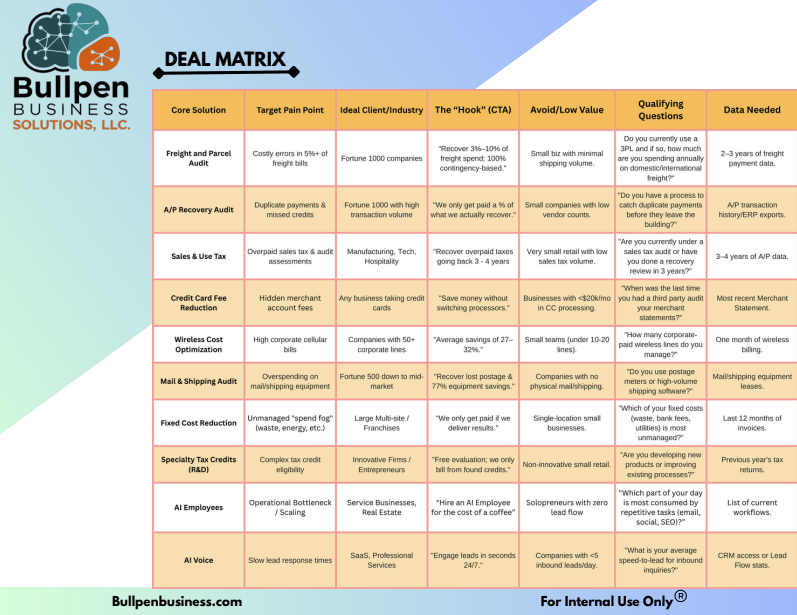
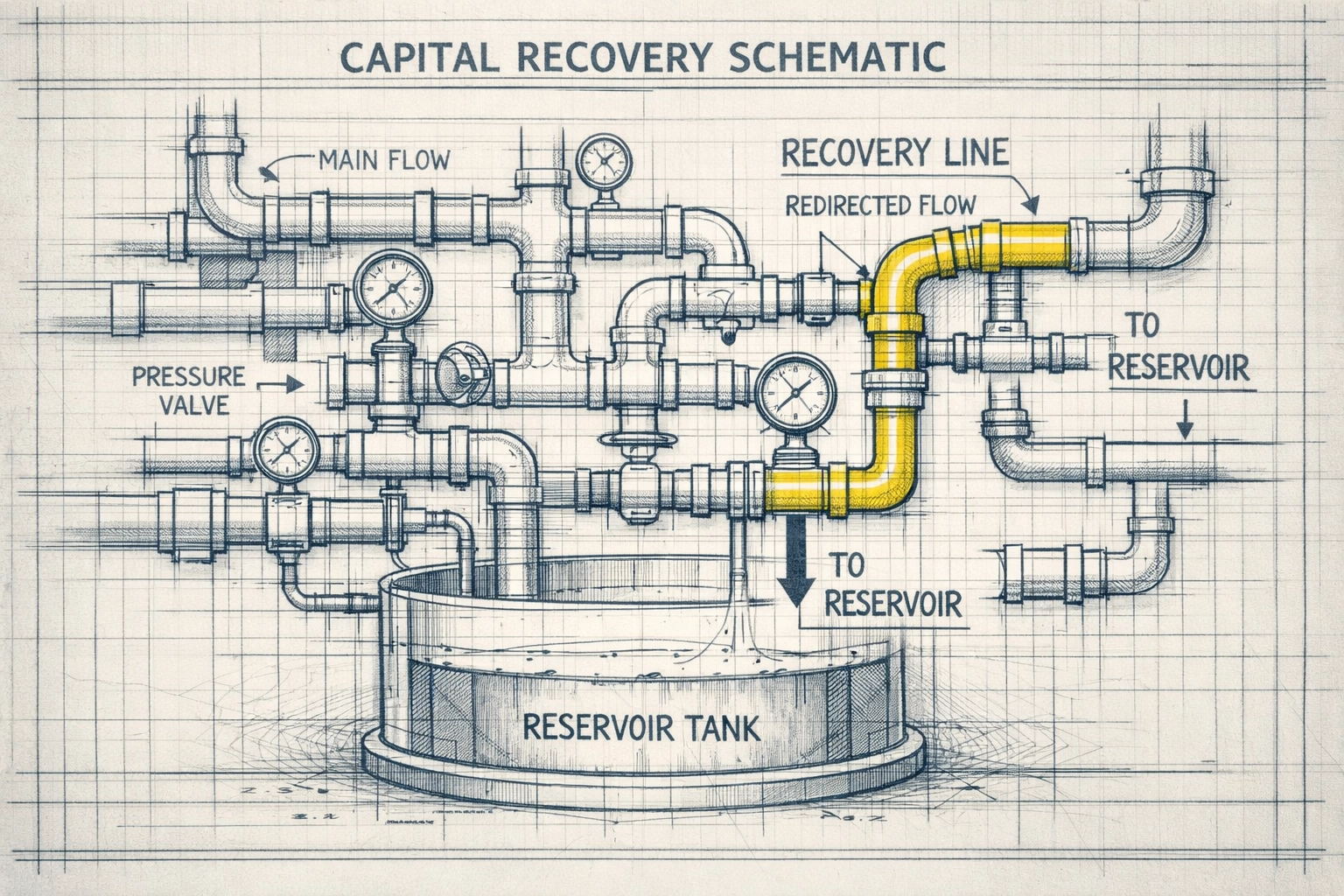
The biggest mistake of all is thinking that you don’t have the budget to fix these issues. Most mid-market companies are sitting on "found money": capital that is currently being wasted on inefficient third-party contracts, overpaid taxes, or bloated operational expenses.
When you think about funding your sales automation or B2B lead generation services, you shouldn't just look at your existing marketing budget. You should look at where your business is overpaying in areas like:
Telecom and Wireless optimization
Credit card processing fees
Unclaimed R&D tax credits
A/P recovery and freight audits
The Fix: This is where Bullpen Business excels. We connect you with boutique firms that specialize in cost recovery. By identifying and reclaiming this "found money," you can fund your sales automation improvements without touching your working capital.
How Bullpen Business Bridges the Gap
At Bullpen Business, we don't just point out these mistakes; we provide the ecosystem to fix them. Our model is built on connecting you with highly specialized boutique firms that deliver results that large, generalist consulting firms often miss.
Whether you need to optimize your CRM automation or you are looking for top-tier appointment setting services, we act as your strategic architect. We help you identify the inefficiencies in your current stack and introduce you to the partners who can turn your software bloat into a streamlined revenue engine.
Case Study: Finding the Capital to Grow
Consider our work in wireless optimization. Many companies pay thousands of dollars in excess fees every month simply because they are on the wrong plans. We recently helped a nationwide retailer reduce their wireless expenses by 47.1%: resulting in an immediate monthly savings of over $18,000.
That is "found money." That $18,000 per month could fully fund a sophisticated suite of B2B lead generation services or a comprehensive pipeline automation overhaul.

Take the Next Step
Sales automation should be your greatest competitive advantage, not a source of frustration. By avoiding these seven mistakes and leveraging the "found money" hidden in your operations, you can build a scalable, profitable sales machine that runs with precision.
Stop letting software bloat and poor processes hold your company back. Let us help you find the capital and the partners you need to succeed.
Ready to uncover the found money in your business?Meet with our team here to start your optimization journey.
For more insights on improving your profitability, explore our full blog library or read our specific breakdown on 7 mistakes you’re making with CRM automation.
Comments