%20(3)_edited_edited.png)


Can Sales Automation Tools Really Help You Scale Without Adding Headcount? Find Out Here
- Peter Casey
- Feb 12
- 5 min read

You are facing a common challenge. Your revenue targets are climbing, but your budget for new sales hires is not keeping pace. The question becomes unavoidable: can sales automation tools actually deliver scalable growth without proportional increases in headcount?
The short answer is yes: but only when you implement them strategically. This article examines the data behind sales automation's scaling capacity, the measurable business impact you can expect, and the critical factors that determine success or failure.
The Reality of Scaling Challenges
Most mid-market companies reach a point where manual sales processes become the bottleneck. Your sales representatives spend hours on prospect research, follow-up emails, data entry, and lead qualification. These mechanical tasks consume time that should be dedicated to actual selling conversations.
The traditional solution: hiring more salespeople: creates its own problems. Each new rep requires salary, benefits, training, management oversight, and time to ramp up to full productivity. When you factor in these costs, adding headcount becomes an expensive proposition that may not deliver the ROI your leadership expects.
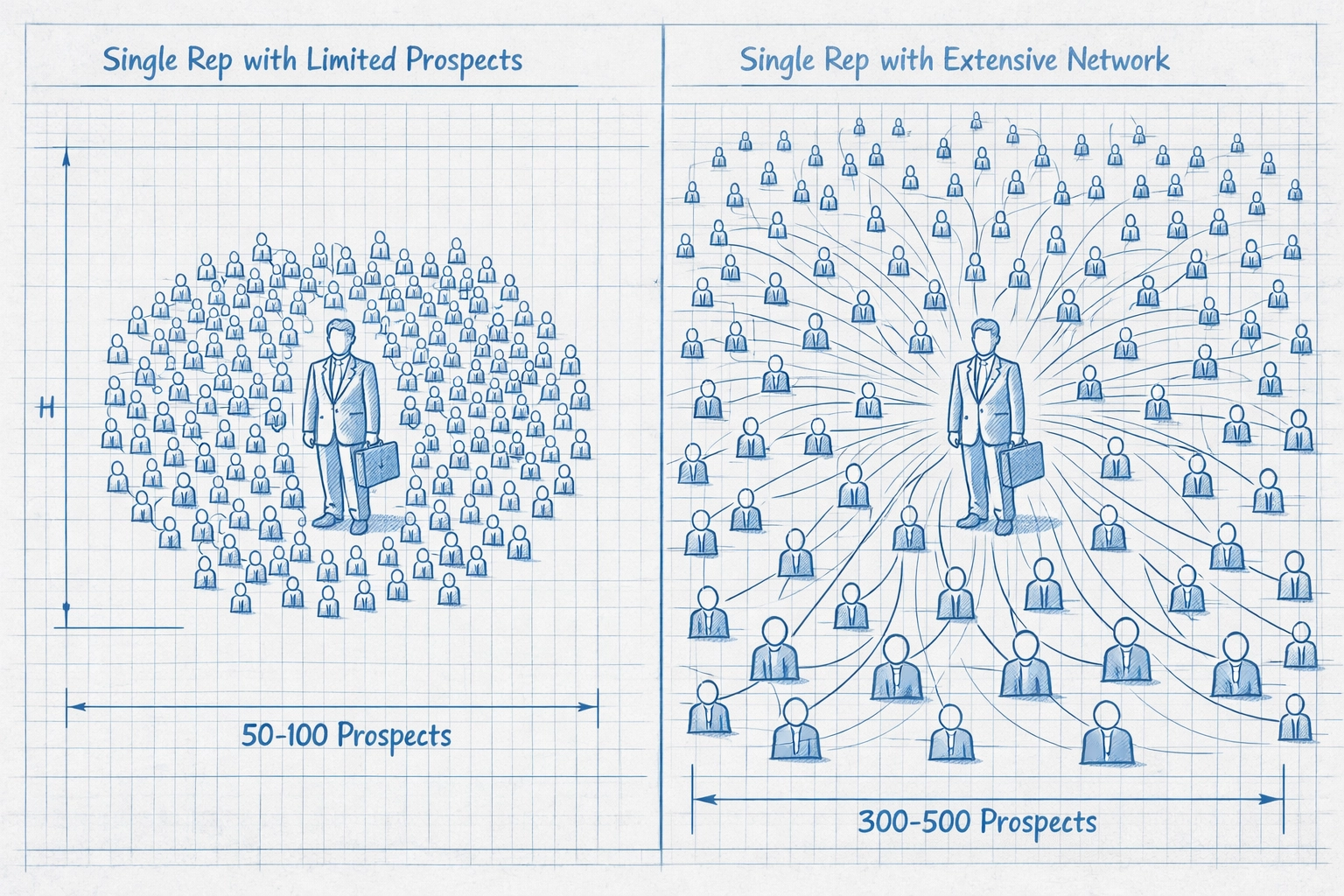
How Sales Automation Tools Enable Scaling
Sales automation fundamentally changes your capacity equation. Automated sales representatives can manage 300 to 500 active prospects simultaneously, compared to 50 to 100 for manual reps. This represents productivity gains of 60% or more.
The capacity expansion comes from automation handling specific mechanical tasks:
Prospect Research: What previously required two hours of manual work now compresses to fifteen minutes through automated data enrichment and intelligence gathering.
Follow-Up Sequences: Your email cadences run themselves based on prospect behavior and engagement signals. No sales rep needs to manually track when to send the next touchpoint.
Lead Qualification: Automated scoring systems instantly evaluate prospects against your ideal customer profile, reducing the qualification process from 30 minutes per prospect to real-time assessment.
CRM Data Entry: Pipeline automation eliminates manual data entry, ensuring your CRM stays current without requiring rep input after every interaction.
This shift allows your existing team to focus on high-value activities: conducting discovery calls, delivering presentations, negotiating terms, and closing deals.
Measurable Business Impact
The efficiency gains from sales automation directly improve your bottom line. Research shows that sales automation can increase your sales representatives' selling time by 15 to 20 percent. This additional selling time compounds across your team.
Beyond time savings, you will see improvements in several key metrics:
Conversion Rates: Automated lead nurturing ensures no prospect falls through the cracks. Your conversion rates improve when every qualified lead receives consistent, timely follow-up.
Sales Cycle Length: Pipeline automation compresses your sales cycle by moving prospects through your funnel more efficiently. Bottlenecks get identified and addressed automatically.
Administrative Burden: Your sales team spends less time on paperwork, reporting, and data management. This reduction in administrative work translates directly to more customer-facing hours.
Mid-market companies implementing B2B lead generation services and automation tools experience compressed sales cycles and the ability to scale revenue without proportional headcount increases. When your revenue grows 40% while your headcount grows only 15%, you have achieved efficient scaling.
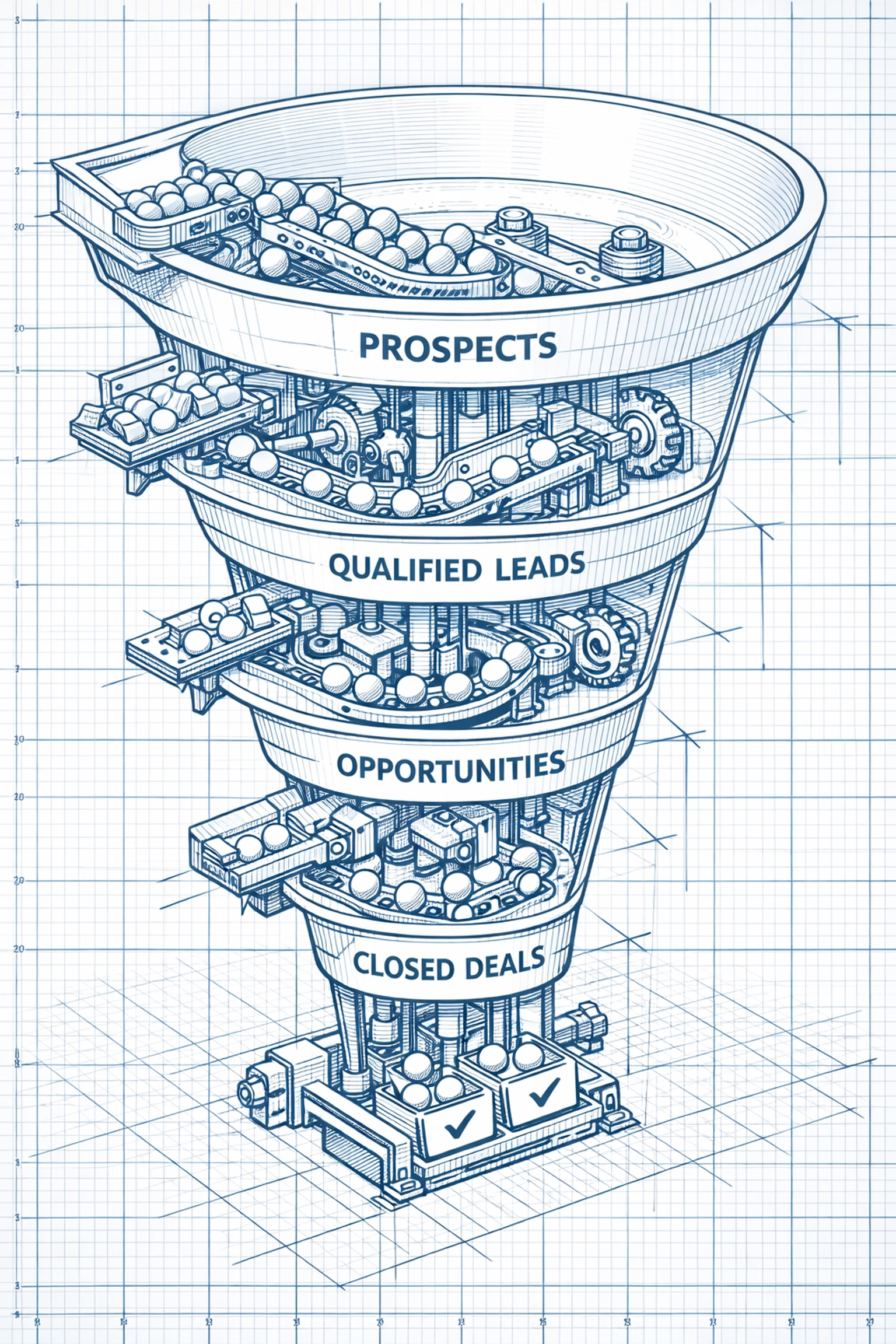
Financial Efficiency of Automation
The investment required for sales automation is modest relative to the gains. A comprehensive automation platform typically costs between $500 and $2,000 per representative monthly. This cost structure delivers productivity gains equivalent to adding multiple sales representatives: without the associated salary, benefits, training, and management expenses.
Consider the basic math: hiring a new sales representative may cost your organization $80,000 to $120,000 annually in salary alone, plus benefits, commission structure, training costs, and ramp-up time before they reach full productivity. That same investment could fund automation tools for your entire existing sales team for multiple years.
The cost structure of automation favors scaling without hiring. Your marginal cost per additional prospect managed remains relatively flat, while the marginal cost per new hire remains substantial.
Critical Success Factors for Implementation
Achieving these results requires more than simply purchasing sales automation tools. You need strategic implementation focused on three critical factors:
1. Structured Rollout Approach
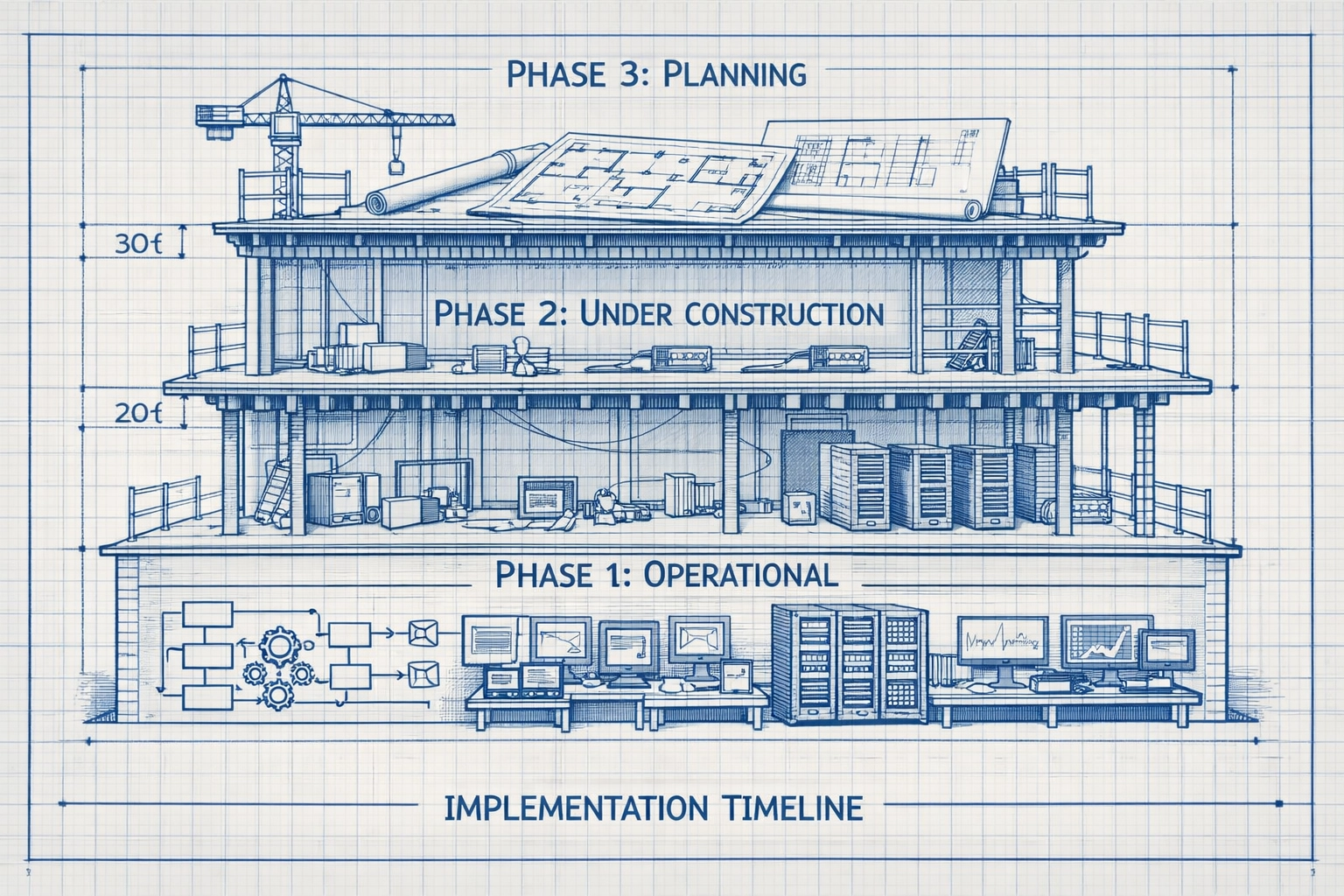
Start with non-critical processes before advancing to critical ones. This phased approach allows your team to learn the system, identify issues, and refine workflows without risking disruption to your core revenue operations.
Companies that attempt company-wide automation simultaneously often face operational disruption that temporarily reduces productivity. Phased implementations typically prove ROI within 30 to 60 days and build momentum as early wins become visible.
2. Sales Representative Buy-In
Your automation tools will only succeed if your sales team actually uses them. Strong sales representative buy-in requires several elements:
Champion programs that identify early adopters who can demonstrate success and train peers
Visibility of success metrics that show representatives how automation helps them personally
Clear communication about how automation enhances their role rather than replacing it
Training that emphasizes ease of use and immediate benefits
Representatives need to understand that appointment setting services and automated lead qualification give them more qualified conversations, not more administrative burden.
3. Process Standardization
Automation requires standardized processes across your sales team. Before implementing tools, you need documented, consistent workflows for lead qualification, follow-up sequences, proposal delivery, and pipeline management.
Inconsistent processes create automation headaches. When different representatives follow different workflows, your automation becomes fragmented and less effective.
The Bullpen Business Approach
At Bullpen Business, we recognize that sales automation tools represent only one component of successful scaling. We connect mid-market companies with boutique firms specializing in CRM automation, pipeline automation, and B2B lead generation services.
Our approach focuses on matching your specific scaling challenges with the right specialized partners. Rather than forcing you to navigate dozens of potential vendors, we curate connections with firms that have proven track records in your industry and company size.
This curated approach ensures you implement the right tools with the right support, maximizing your probability of achieving the scaling results you need. You gain access to specialized expertise without the overhead of building that capability in-house.
If you want to explore how sales automation tools can help your organization scale without adding headcount, meet with our team here to discuss your specific situation.
Making the Decision
The evidence is clear: sales automation tools can help you scale without adding headcount, but success depends on strategic implementation. You need the right tools, the right rollout approach, and the right support structure.
The question is not whether sales automation works: the data confirms it does. The question is whether you will implement it strategically or allow competitors to gain the efficiency advantages while you continue scaling through headcount alone.
Your next step should focus on assessment. Examine your current sales processes, identify the mechanical tasks consuming your representatives' time, and evaluate which automation tools address your specific bottlenecks. Then, determine whether you have the internal expertise to implement effectively or whether partnering with specialized firms makes more strategic sense.
The companies that scale efficiently over the next several years will be those that leverage sales automation strategically. The companies that continue scaling through headcount alone will find themselves at a competitive disadvantage as their cost structures become increasingly uncompetitive.
Your scaling strategy determines your competitive position. Choose wisely.
Comments