%20(3)_edited_edited.png)


The Proven Pipeline Automation Framework to Stop Losing Revenue in Your "Leaky Bucket
- Peter Casey
- Mar 28
- 5 min read

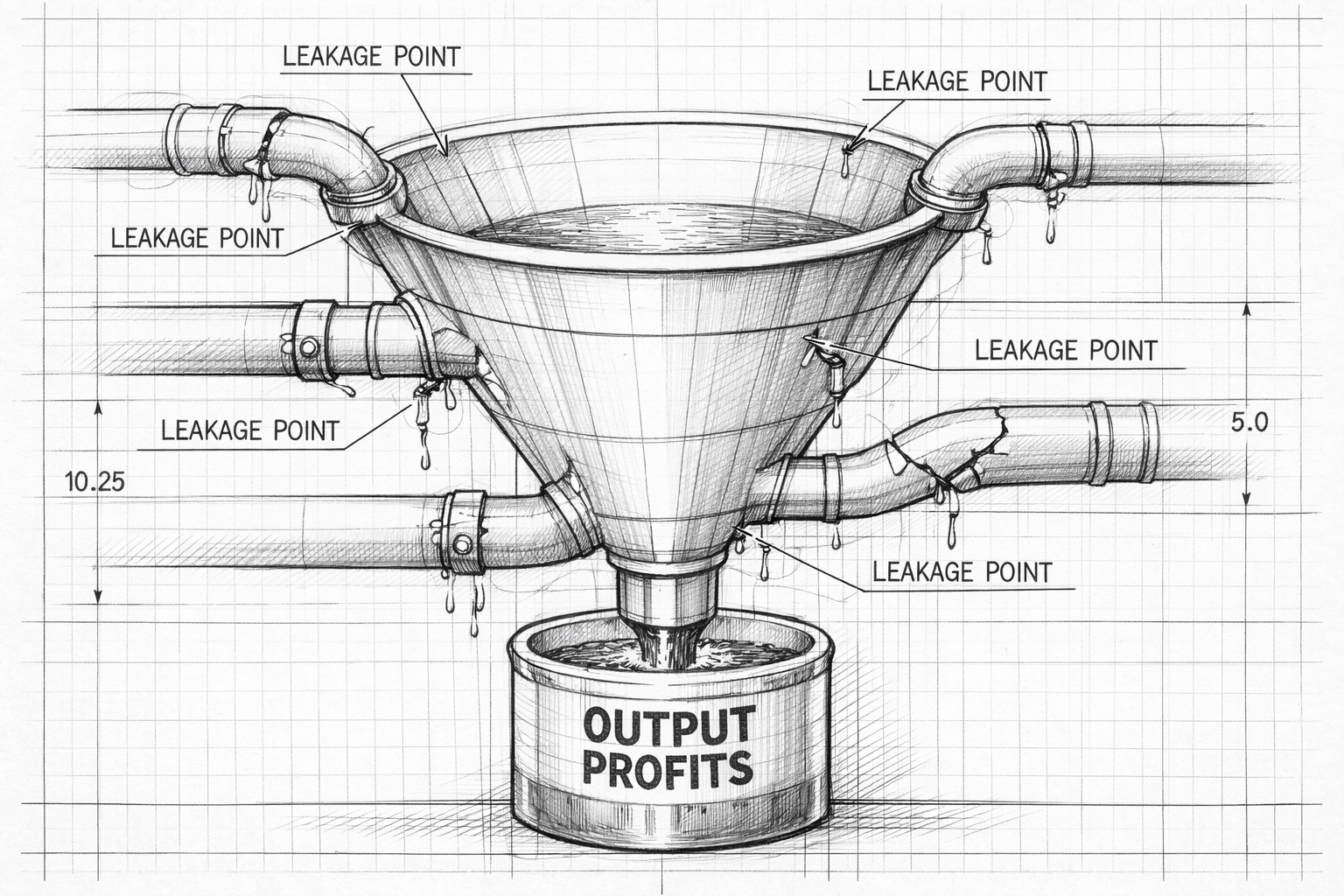
Revenue leakage is the silent killer of growth in mid-market and enterprise organizations.
Most businesses focus heavily on filling the top of the funnel with new leads.
However, they often ignore the holes in the bottom of the bucket where hard-earned revenue escapes through manual errors and missed follow-ups.
Statistically, organizations lose between 1% and 3% of their total annual revenue to operational inefficiencies.
In a competitive landscape, this "leaky bucket" represents the difference between hitting your targets and falling short of investor expectations.
At Bullpen Business, we specialize in helping you identify these gaps and connecting you with the boutique firms and automated tools necessary to plug them.
1. Understanding the Anatomy of Revenue Leakage
Before you can fix your pipeline, you must understand where the water is escaping.
Revenue leakage occurs when there is a mismatch between what your business should be capturing and what it actually collects.
Common sources of leakage include poor data hygiene, manual data entry errors, and outdated next-step dates.
When a sales representative forgets to update a CRM record, the opportunity effectively disappears from the forecast.
Process misalignment also plays a significant role in revenue loss.
If your marketing-qualified leads are not instantly routed to the correct representative, the "speed to lead" advantage is lost.
2. The High Cost of Manual Sales Tracking
Many growing businesses attempt to manage their sales process through spreadsheets or manual CRM updates.
This approach is inherently flawed because it relies on human memory and consistent manual labor.
As your volume increases, manual tracking becomes a bottleneck that limits your ability to scale.
We have previously discussed how CRM automation vs manual sales tracking impacts long-term growth.
Manual tracking often leads to visibility gaps where single-threaded deals are left to wither without multi-stakeholder engagement.
Without a systematic approach, your "corporate career risk" increases as you lose control over your predictable revenue.
3. Step 1: Mapping the Pipeline Leakage Sources
The first step in our proven framework is to conduct a comprehensive audit of your current sales cycle.
You must map every touchpoint from the initial lead generation phase to the final signature.
Identify where leads stall and where data fields are frequently left empty.
If you are struggling for consistent pipeline growth, the issue is likely a lack of visibility in these transition zones.
Governance failures, such as inconsistent pricing or uncontrolled discounting, are also major contributors to the leaky bucket.
Establishing a clear map allows you to prioritize which areas require immediate automation.
4. Step 2: Deploying Strategic Pipeline Automation Playbooks
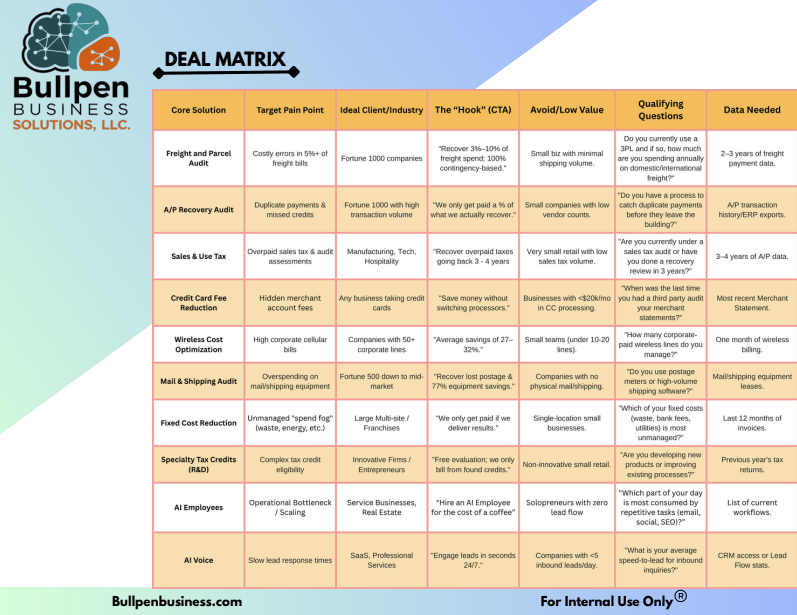
Automation should not be applied haphazardly to every repetitive task.
Effective pipeline automation focuses on critical decision points and handoffs.
One of the most impactful playbooks is automated lead routing.
By instantly assigning leads to the appropriate representative based on territory or industry, you ensure immediate engagement.
Automated follow-up triggers are another essential component of the framework.
These workflows flag any deal that has been silent for more than seven days or any forecast commitment without recent activity.
You can learn more about these strategies in our beginner’s guide to pipeline automation.
5. Step 3: Enhancing CRM Automation and Data Hygiene
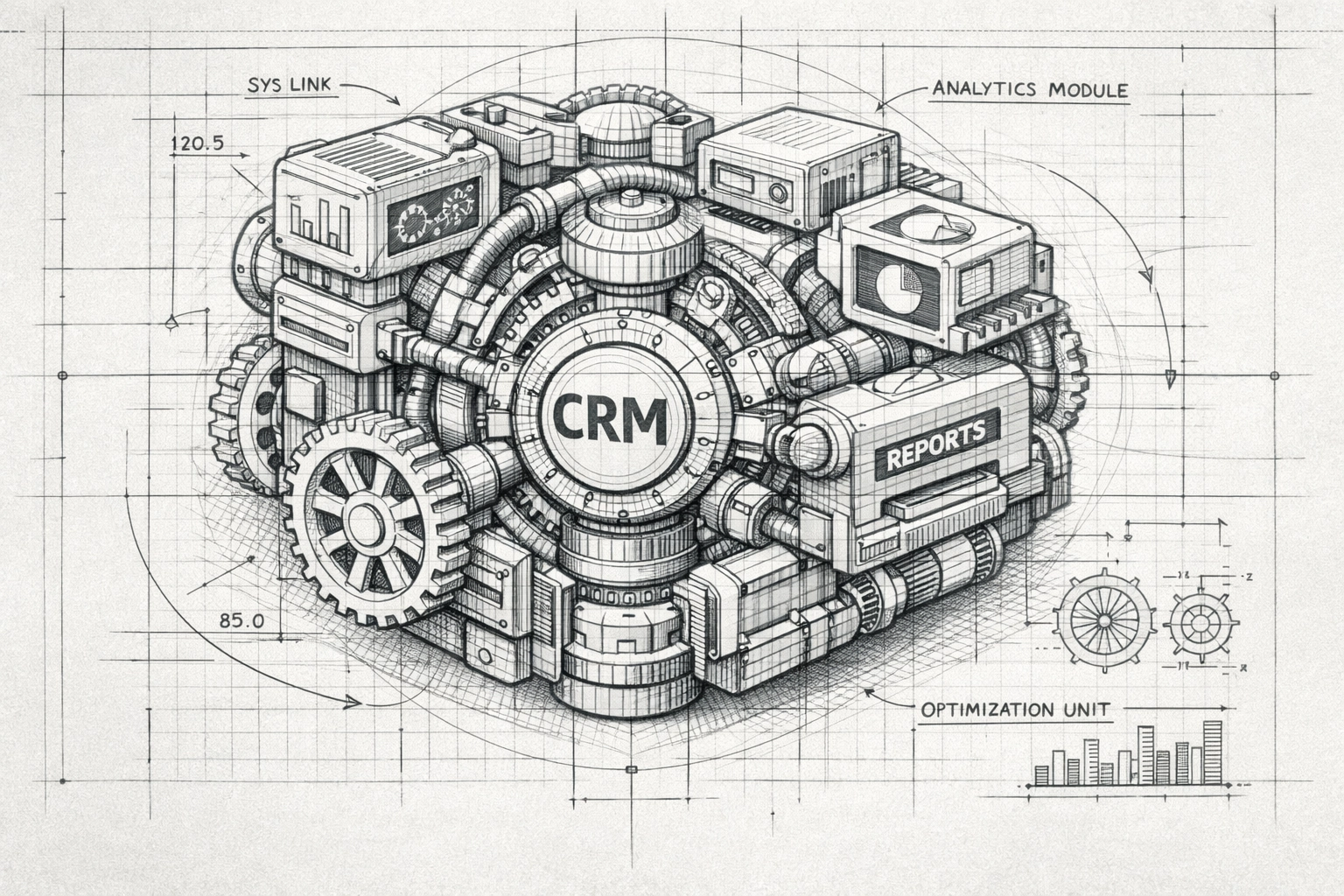
Your CRM is the engine of your sales organization, but it only works if the data is accurate.
CRM automation tools can be used to prompt representatives to refresh opportunity information as soon as close dates pass.
Bots can also be programmed to scrape contact information and update records without human intervention.
This reduces the burden on your sales team, allowing them to focus on closing deals rather than data entry.
Integrating your CRM with communication tools like Slack or Microsoft Teams ensures that every team member has real-time visibility.
When a deal stage transitions, an automated notification should be sent to the relevant departments to prepare for the next phase.
Consistent data hygiene is the foundation of a predictive revenue engine.
6. Step 4: Utilizing B2B Lead Generation Services and Appointment Setting
To keep the bucket full, you need a steady stream of high-quality prospects.
Many organizations struggle to maintain this flow while simultaneously managing their existing pipeline.
This is where B2B lead generation services and appointment setting services become invaluable.
By outsourcing the top-of-funnel activity to boutique experts, you ensure your internal team only speaks with qualified buyers.
Bullpen Business connects you with these specialized firms to improve your overall profitability.
Integrating these services into your automated framework ensures that no lead is dropped during the handoff from the external partner to your internal team.
Check out our top 10 sales automation tools to see how to pair software with these services.
7. Step 5: Streamlining Critical Handoffs and Post-Sale Automation
Revenue leakage does not stop once a deal is marked as "Closed-Won."
Manual data reconciliation between sales and finance can lead to significant errors in revenue recognition.
Automation eliminates these errors by syncing systems automatically, such as connecting HubSpot and Salesforce.
Post-sale automation should trigger customer success onboarding as soon as the contract is signed.
This ensures a seamless transition for the customer and reduces the risk of early churn.
By consolidating engagement and deal tracking into one unified system, you eliminate the blind spots where risks typically surface.
Our ultimate guide to sales automation explains how to protect your operations through these integrations.
8. The Role of RevOps in Pipeline Discipline
Revenue Operations (RevOps) is the bridge that connects your sales, marketing, and customer success teams.
The framework requires a dedicated focus on maintaining process discipline across all departments.
You should document every automation rule into a shared RevOps playbook.
This ensures that as your company grows, the processes remain consistent and scalable.
Quarterly automation retrospectives are necessary to assess the performance of your current workflows.
During these sessions, you should A/B test rule changes to uncover marginal gains in your conversion rates.
The goal is to transform your pipeline from a reactive system into a predictive engine.
9. Measuring the Impact on Profitability
The primary goal of the Pipeline Automation Framework is to recapture lost revenue and improve profitability.
When implemented effectively, these strategies produce measurable results.
For example, automating onboarding notifications can reduce first-response times by over 30%.
Recapturing the 10% of potential growth lost to misaligned processes can fundamentally change your business trajectory.
We recommend comparing your pre-automation metrics against your post-automation benchmarks every six months.
You can view our pricing plans to see how Bullpen Business can assist in this transition.
Efficiency is not just about doing things faster; it is about doing them with fewer errors.
10. Building Your Scalable Sales Ecosystem
Success in 2026 requires a lean approach to technology.
Many companies suffer from "software bloat," where they pay for dozens of tools that do not communicate with each other.
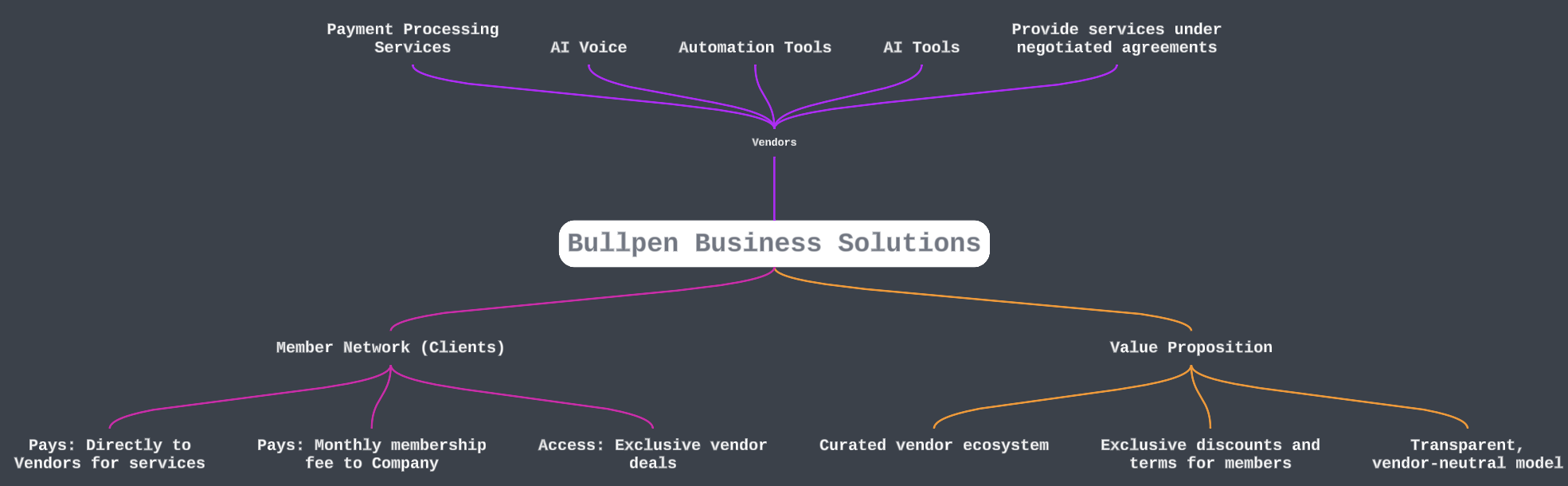
Our framework emphasizes a curated ecosystem of partners and tools that work in harmony.
Bullpen Business provides access to a 3-partner stack that actually works without the need for excessive headcount.
By leveraging boutique firms that specialize in specific niches, you can scale your operations without burning unnecessary cash.
This vendor-neutral model ensures that you always have the best solution for your specific needs.
Whether you are looking for sales automation software or strategic consulting, we help you navigate the complexity.
11. Final Implementation Steps
To begin plugging your leaky bucket, start small and iterate.
Identify the single largest point of failure in your current pipeline.
Automate that specific task, measure the results, and then move to the next.
If you are unsure where to start, review our quick start guide to pipeline automation.
Revenue is too difficult to generate to let it slip through the cracks of a manual system.
Embrace automation, empower your team, and protect your company’s bottom line.
The framework is proven, and the tools are available; the only variable is your execution.
Comments