%20(3)_edited_edited.png)


Your Quick-Start Guide to Pipeline Automation: The Strategic Architect's Approach
- Peter Casey
- Feb 25
- 6 min read

In the modern B2B landscape, the difference between a high-growth organization and one that stagnates often comes down to the efficiency of its underlying systems. Manual data entry, disconnected spreadsheets, and forgotten follow-ups are no longer just "growing pains": they are significant threats to your bottom line. To remain competitive, you must move beyond tactical fixes and adopt the mindset of a Strategic Architect.
Pipeline automation is not merely a collection of software tools; it is a strategic workflow system. It sequences individual operations with pre-configured settings to process work automatically, enabling unattended batch processing and consistent results across thousands of leads and transactions. At Bullpen Business, we specialize in helping organizations bridge the gap between complex automation needs and the boutique firms that can execute them with precision.
1. The Foundation: Defining Your Workflow Stages
The first step in a Strategic Architect’s approach is mapping the journey. You cannot automate a process that you do not fully understand. Effective pipeline automation requires a clear visualization of how data moves from its initial acquisition to a final closed-won status.
Mapping the Lead Journey
A typical automated pipeline includes several critical decision points:
New Lead Entry: The moment a prospect enters your ecosystem via B2B lead generation services.
Qualification: Automated scoring based on firmographic or behavioral data.
Engagement: Initial outreach triggered by the system.
Appointment Setting: The transition from digital interest to a human-to-human meeting.
Negotiation & Closing: The final stages of the CRM automation cycle.
By defining these stages clearly, you identify the exact "triggers" where automation can take over manual tasks. This ensures that no prospect falls through the cracks and that your sales team only spends time on high-value interactions.
2. Identifying Discrete Operations
Once your stages are defined, you must break down the process into individual, reusable operations. In the world of sales automation, an "operation" is a specific task performed by a tool or a boutique service provider.
Modular Sales Automation
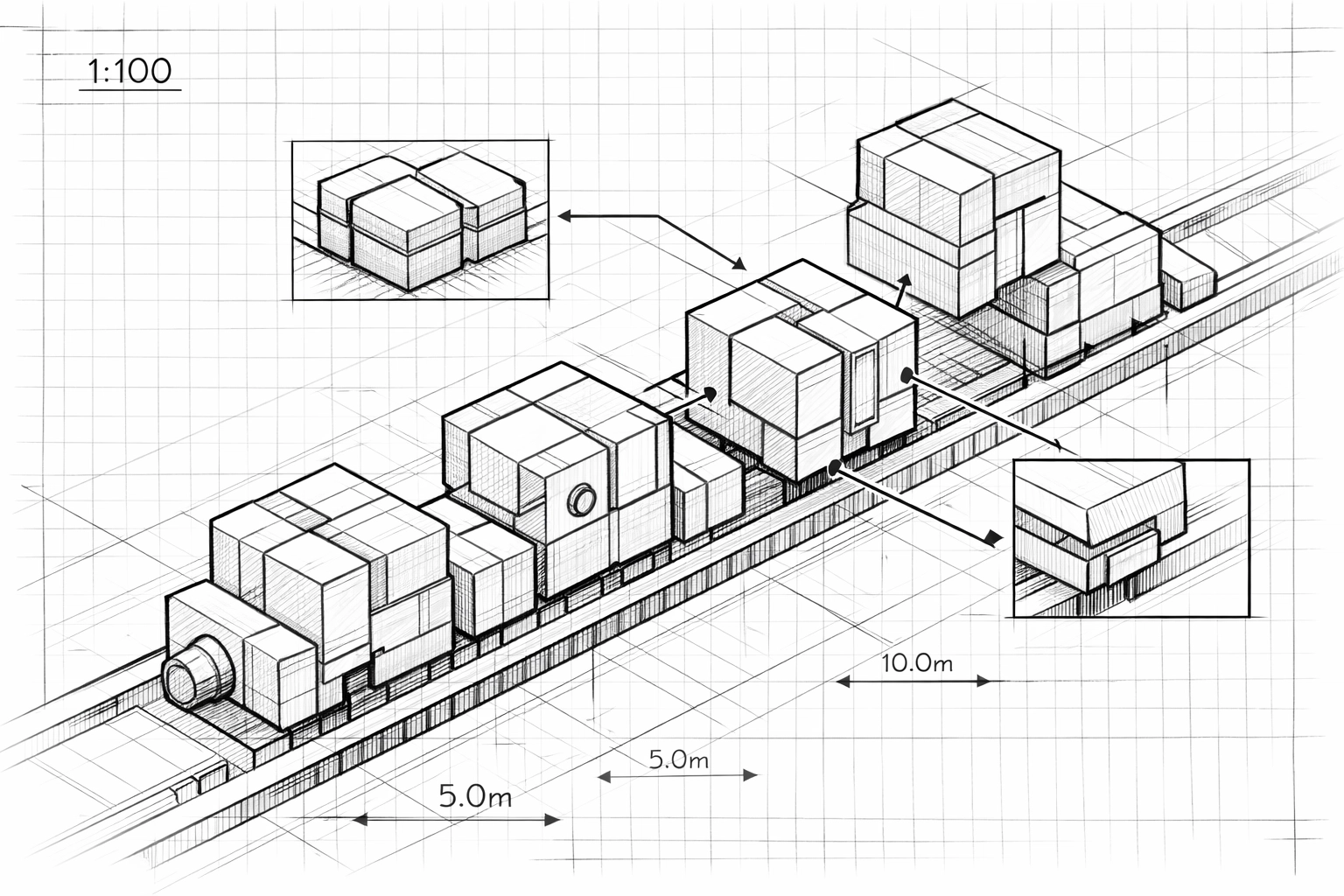
Think of your pipeline as a series of modules. For example, a single lead entry might trigger:
Data Enrichment: Automatically pulling the prospect’s LinkedIn profile and company revenue.
Notification: Sending a Slack alert to the assigned account executive.
CRM Update: Creating a new deal record without human intervention.
Email Sequence: Enrolling the lead in a personalized drip campaign.
This modular approach allows for flexibility. If one part of your lead generation strategy changes, you can swap out a single operation without dismantling the entire pipeline. Bullpen Business helps you identify which boutique firms offer the best specialized operations for your specific industry, ensuring that your modular stack is built for maximum profitability.
3. Establishing Logical Sequencing
The order of operations is as critical as the operations themselves. A Strategic Architect ensures that each step maximizes the efficiency of the next. For instance, in B2B lead generation, you would perform data validation and cleansing before sending an automated outreach email. Sending messages to invalid addresses damages your domain reputation and wastes resources.
In a sophisticated CRM automation setup, the sequence might look like this:
Step 1: Verify email address.
Step 2: Check CRM for existing records to prevent duplicates.
Step 3: Assign lead based on territory or industry expertise.
Step 4: Trigger the appointment setting services workflow.
Strategic sequencing reduces "noise" in your system and ensures that your sales professionals are receiving the highest quality data at the exact moment they need to act.
4. Building Your First Automated Pipeline: A Practical Guide
Building an automated pipeline can feel overwhelming, but following a structured framework simplifies the process. Whether you are using enterprise-grade software or specialized boutique tools recommended by Bullpen Business, the steps remain consistent.
Step 1: Access Your Pipeline Builder
Start by selecting your central hub: typically your CRM or a dedicated automation platform. Name your pipeline based on its specific function, such as "Enterprise Lead Intake" or "Post-Webinar Follow-up."
Step 2: Select and Add Operations
Add your tasks in the sequence determined in the previous section. Start with the "Input" (the source of the lead) and work your way toward the "Output" (the meeting or the sale).
Step 3: Configure Settings
This is where the precision occurs. You must configure each operation’s parameters: such as the specific email template to be used, the delay between follow-ups, and the criteria for lead escalation. For more ideas on how to integrate these tools, you can explore our guide on sales automation tools and CRM integration.
Step 4: Validate and Test
Before going live, use validation tools to confirm settings are correct. A common mistake is deploying an automation that sends an "Internal Test" email to a real prospect. Always run a batch of "dummy" data through the pipeline first.
Step 5: Enable Automated Monitoring
Once deployed, set up a schedule to scan for incoming files or new leads. Monitoring ensures that the pipeline is executing as expected and allows you to catch errors: such as API disconnects: before they impact your revenue.
5. Integrating B2B Lead Generation and Appointment Setting Services
Pipeline automation truly shines when it connects your top-of-funnel activities with your sales team's calendar. B2B lead generation services provide the raw material, but without automation, that material often goes to waste.
The Role of Appointment Setting Services
Appointment setting is the critical bridge between a lead and a deal. By automating the hand-off from a lead gen firm to an appointment setter, you reduce the "lead response time." Statistics consistently show that contacting a lead within five minutes of an inquiry significantly increases conversion rates.
Through Bullpen Business, you can connect with boutique firms that specialize in these specific niches. We ensure that the firms you partner with have the technical capability to plug directly into your automated pipeline, creating a seamless flow from the first touchpoint to the final signature.

6. CRM Automation: The Strategic Hub
Your CRM is the "brain" of your operation. Strategic CRM automation goes beyond just storing contact information; it actively manages the health of your pipeline.
Key CRM automation features to implement:
Lead Rotation: Automatically distributing leads among your team to ensure fairness and speed.
Stale Deal Alerts: Notifying managers when a deal has stayed in one stage for too long.
Revenue Forecasting: Using historical data and current pipeline velocity to predict future earnings.
By automating these administrative tasks, you free up your leadership team to focus on strategy and coaching rather than data policing. If you are currently evaluating your software options, consider our insights on what to know before choosing sales automation software.
7. Strategic Best Practices for Long-Term Success
To maintain an automated system that scales, the Strategic Architect follows several core principles:
Test Incrementally: Build one operation at a time. Verify the output of your lead generation automation before adding the appointment setting layer.
Document Everything: Ensure your configurations are documented in a central repository. If your system architect leaves the company, the business must be able to maintain the pipeline.
Consider Real-World Variables: Build in "buffer" time. Don't automate a follow-up email to go out at 2:00 AM on a Sunday; configure the system to respect business hours and time zones.
Review and Optimize: Automation is not a "set it and forget it" solution. Regularly review your conversion rates. If a specific automated sequence isn't resulting in meetings, it’s time to adjust the messaging or the logic.
Conclusion: Maximizing Profitability Through Connection
The "Strategic Architect's Approach" to pipeline automation is about more than just technology: it's about creating a frictionless environment where business can thrive. When you automate the repetitive, manual tasks of sales and CRM management, you empower your team to do what they do best: build relationships and close deals.
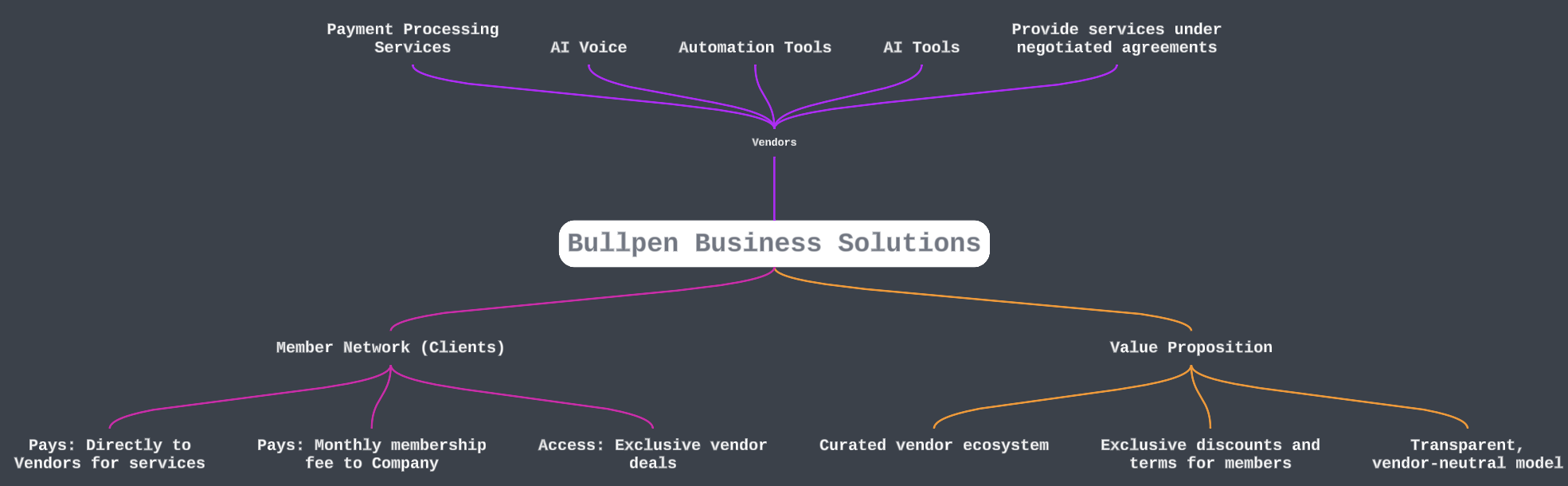
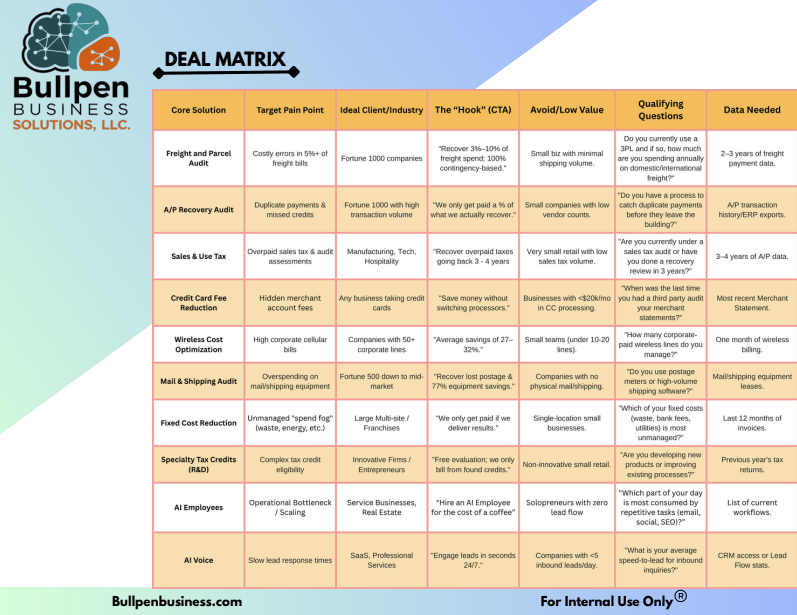
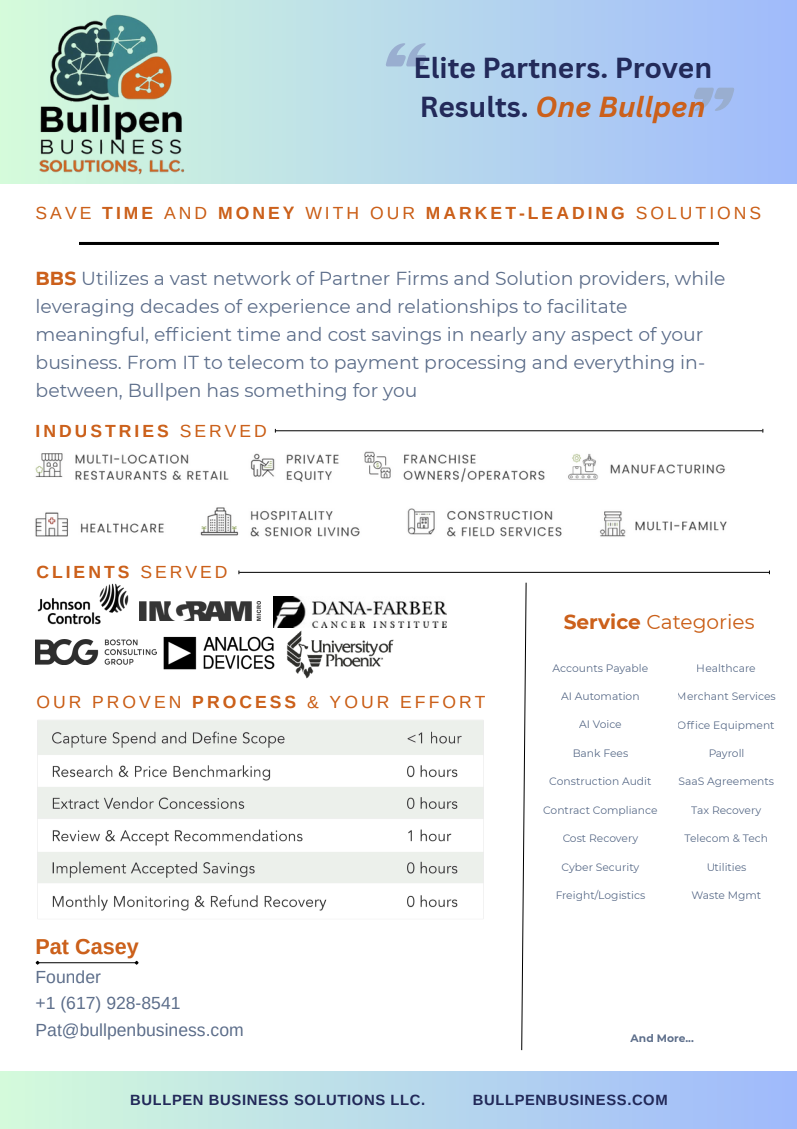
At Bullpen Business, we understand that finding the right partners to build and maintain these systems is a challenge. Our mission is to connect mid-market and Fortune 1000 organizations with the boutique firms that excel in B2B lead generation, sales automation, and cost recovery. We help you navigate the vendor landscape so you can implement these strategies with confidence and see an immediate impact on your profitability.
Are you ready to architect a more efficient future for your sales organization? Book a consultation today and let us help you find the specialized expertise you need to automate your way to success.
Comments