%20(3)_edited_edited.png)


How to Integrate Sales Automation With Your Existing Team to Restore Capacity
- Peter Casey
- Mar 14
- 5 min read

In the current B2B landscape, sales departments are often burdened by administrative overhead that prevents high-performing representatives from engaging in revenue-generating activities. Statistics suggest that many sales professionals spend less than one-third of their time actually selling. The remainder is frequently consumed by manual data entry, lead prospecting, and follow-up scheduling.
To address this inefficiency, organizations are increasingly turning to sales automation. However, the successful integration of these tools is not merely a matter of software installation. It requires a strategic alignment of technology, data, and human talent. When executed correctly, sales automation restores capacity to your team, allowing them to focus on complex negotiations and relationship building.
At Bullpen Business, we specialize in helping companies navigate this transition by connecting them with boutique firms that provide specialized services. Whether you require enhanced pipeline automation or specialized B2B lead generation services, our role is to bridge the gap between your current operations and a more profitable, automated future.
1. Defining Clear Objectives for Automation
Before implementing any new technology, you must identify the specific challenges within your existing sales funnel. Automating a dysfunctional process will only accelerate the production of errors. You should begin by auditing your current workflow to pinpoint where your team loses the most time.
Common areas of focus include:
Administrative Bottlenecks: Identify tasks like manual record creation that consume significant hours each week.
Inconsistent Follow-ups: Determine if leads are falling through the cracks due to a lack of standardized outreach.
Data Inaccuracy: Assess whether manual entry is leading to "dirty data" that hampers reporting.
Companies that establish defined goals: such as reducing lead response time by 50% or increasing outbound volume by 30%: see significantly higher success rates during implementation. We recommend consulting with department heads to ensure that the chosen sales automation tools address real-world operational challenges rather than perceived ones.

2. Establishing a Robust CRM Automation Foundation
Your Customer Relationship Management (CRM) system serves as the single source of truth for your organization. Without proper CRM automation, your team will continue to struggle with fragmented information and manual updates. Before you integrate advanced tools, you must ensure your data is clean and standardized.
Data preparation involves:
Standardizing Formats: Ensuring all contact information follows a uniform structure.
Eliminating Duplicates: Using deduplication tools to prevent multiple entries for the same account.
Validating Information: Verifying email addresses and phone numbers to maintain high deliverability.
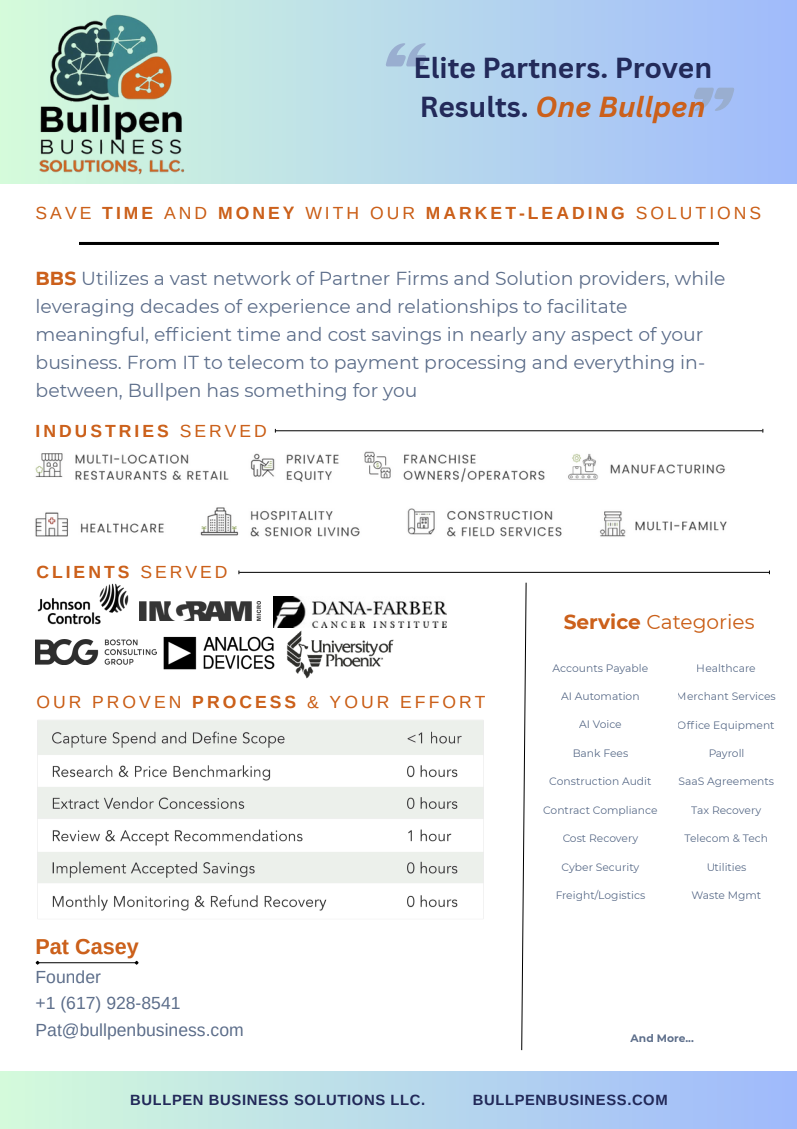
Poor data quality can cost businesses up to 30% of their annual revenue through missed opportunities and inefficient outreach. By automating the data entry process, you ensure that your sales reps always have access to the most accurate information. To learn more about how we help structure these efficiencies, you can view the deck for a deeper look at our consulting approach.
3. Mapping the Transition Strategy
Integration is a phased process, not an overnight event. You must map out your current manual processes and identify exactly how they will transition to an automated state. This map should include the specific triggers that initiate an automated action, such as a website form submission triggering an immediate lead assignment.
Mapping should cover:
Task Responsibility: Clearly defining which tasks remain human-centric and which are handled by software.
Metric Tracking: Identifying the Key Performance Indicators (KPIs) that will measure the success of the automation.
Timeline Development: Setting realistic milestones for onboarding and full system adoption.
By visualizing the workflow, you can identify potential friction points before they impact your team's productivity. This strategic foresight is a core component of the business consulting services offered through Bullpen Business.
4. Integrating B2B Lead Generation and Appointment Setting Services
One of the most effective ways to restore capacity to your internal team is to automate the top-of-funnel activities. Many organizations find that their internal staff is overqualified for initial prospecting but lacks the time to manage it effectively. This is where external B2B lead generation services and appointment setting services provide immense value.
By integrating these services into your automated pipeline, you ensure a steady flow of qualified prospects without distracting your senior closers. Modern appointment setting services utilize sophisticated pipeline automation to ensure that when a lead is ready for a demonstration or discovery call, it is seamlessly handed off to your internal team with all relevant context included.
Bullpen Business connects you with boutique firms that specialize in these high-impact areas. This allows your organization to benefit from market-leading solutions while maintaining a lean internal structure.
5. Scaling Gradually with Pipeline Automation
A common error in sales automation is attempting to automate every stage of the pipeline simultaneously. We suggest starting with one or two key workflows, such as automated lead nurturing or meeting summaries. This "start small" approach allows your team to adjust to the new tools without becoming overwhelmed.
Key areas for gradual automation include:
Lead Scoring: Automatically prioritizing leads based on their interaction with your content.
Automated Outreach: Sending personalized follow-up sequences to leads who have not yet engaged.
Meeting Transcription: Using AI to summarize calls and update CRM records automatically.
As these initial automations prove their value and restore capacity, you can begin to scale the complexity of your pipeline automation. This incremental growth ensures that your team remains confident in the technology and its ability to support their goals.
6. Training and Team Adoption
Technology is only as effective as the people using it. To ensure a high adoption rate, you must invest in comprehensive training. This should not be a one-time session but an ongoing process of support and refinement.
Effective training programs should include:
Role-Specific Workshops: Tailoring the training to how a specific rep will use the tool daily.
Dedicated Support: Identifying "super-users" within the team who can troubleshoot minor issues and provide peer-to-peer coaching.
Feedback Loops: Regularly soliciting input from the sales team to understand which automations are working and which are causing frustration.
When the team understands that sales automation is designed to remove the tasks they dislike: such as data entry: and help them achieve their quotas faster, adoption rates naturally increase.
7. Monitoring Performance and Optimizing ROI
Once the systems are in place, continuous monitoring is required to ensure they are delivering the intended results. You should track metrics such as:
Customer Acquisition Cost (CAC): Has automation lowered the cost of bringing in new business?
Sales Cycle Length: Are leads moving through the pipeline faster?
Rep Productivity: Is the team spending more time on high-value calls and less on admin?
Regularly reviewing these insights allows you to refine your workflows. If a certain automated sequence is not converting, you have the data necessary to make informed adjustments. For organizations looking to optimize their operational costs alongside sales efficiency, Bullpen Business provides a curated ecosystem of vendors designed to maximize profitability.
Partnering for Long-Term Profitability
Integrating sales automation is a significant step toward organizational maturity. It transitions your sales team from a reactive, admin-heavy department to a proactive, revenue-driving machine. By leveraging CRM automation and specialized external services, you can scale your operations without a linear increase in headcount.
At Bullpen Business, we simplify this journey. We recognize that every business has unique needs, which is why we focus on connecting you with the right boutique firms to solve your specific challenges. From improving lead flow to optimizing your cost recovery, our goal is to enhance your bottom line with minimal effort on your part.
If you are ready to restore your team's capacity and explore how professional sales automation can transform your business, we invite you to book a consultation. You can also browse our blog for more insights on business consulting and operational efficiency.
By choosing to automate strategically, you are not just buying software; you are investing in the future growth and sustainability of your organization. Let us help you find the right partners to make that future a reality.
Comments