%20(3)_edited_edited.png)


How to Scale B2B Lead Generation in 5 Minutes (Without Hiring More Salespeople)
- Peter Casey
- Feb 20
- 5 min read

Your sales team is stretched thin. Quotas are climbing. Pipeline expectations are growing. And every executive meeting ends with the same question: "Do we need to hire more reps?"
The answer is no: not if you deploy the right systems in the next five minutes.
Scaling B2B lead generation services doesn't require expanding headcount. It requires amplifying the output of the team you already have. This means automating manual work, targeting with precision, and deploying technology that works while your reps sleep.
Here's how to do it quickly, without the overhead of hiring.
The Core Problem: Manual Work Is Eating Your Pipeline
Your salespeople are drowning in tasks that don't require human intelligence. They're researching prospects on LinkedIn. They're manually entering data into your CRM. They're drafting first-touch emails one by one. They're following up with leads that went cold three weeks ago.
None of this is selling. It's administrative work disguised as sales activity.
According to recent data, sales reps spend less than 35% of their time actually selling. The rest is consumed by research, data entry, meeting coordination, and email drafting. This isn't a personnel problem: it's a process problem.
When you automate the manual grind, your existing team immediately gains capacity. The question isn't whether automation works. The question is what you automate first.

The 5-Minute Framework: Three Moves That Scale Immediately
You don't need a six-month implementation plan. You need three strategic decisions you can execute today.
1. Replace Volume With Precision Targeting
Most B2B lead generation strategies fail because they prioritize quantity over quality. Your team sends 500 cold emails per week to loosely defined prospects and wonders why conversion rates hover around 1%.
Precision prospecting flips this model. Instead of casting a wide net, you target exactly the right people at the right time based on intent signals and firmographic data.
Break your prospect list into smart segments:
Company size and revenue range
Industry vertical and sub-vertical
Technology stack and tools they currently use
Behavioral signals like website visits, content downloads, or pricing page views
Trigger events like funding rounds, leadership changes, or product launches
When your messaging speaks to their specific situation: not a generic pain point: response rates multiply. Your reps spend less time chasing unqualified leads and more time nurturing high-intent prospects.
This isn't theoretical. Companies using precision targeting report 3-5x higher conversion rates with half the outbound volume.
2. Deploy Sales Automation to Handle the Research
Your CRM automation should work 24/7, even when your team is offline.
AI-powered sales automation handles the tasks that bog down your pipeline:
Lead scoring: Behavioral and firmographic signals determine which prospects deserve immediate attention
Data enrichment: Contact details, job titles, company information, and recent news populate automatically
Email personalization: AI generates contextually relevant outreach based on role, industry, and account activity
Follow-up sequencing: Multi-touch campaigns trigger based on engagement, not arbitrary timelines
The result: your reps wake up to a prioritized list of high-intent prospects with pre-drafted, personalized outreach ready to send.
This isn't about replacing your salespeople. It's about removing the friction that prevents them from doing what they do best: building relationships and closing deals.

3. Stack the Right Technology (Without Overcomplicating It)
The best pipeline automation doesn't require a complex tech stack. It requires the right tools working together seamlessly.
Your foundation should include:
Enriched contact databases: Access to verified emails, phone numbers, and decision-maker profiles with real-time updates
Deliverability infrastructure: Domain warming, inbox rotation, and spam monitoring to keep your emails landing in primary inboxes
AI personalization engines: Tools that generate context-aware messaging based on prospect behavior and account intelligence
Engagement tracking: Real-time monitoring of email opens, link clicks, and website visits that trigger immediate outreach when intent spikes
The key is integration. When your tools communicate with each other, you eliminate data silos and manual handoffs. Your CRM becomes a single source of truth that updates automatically as prospects engage.
You don't need a dozen platforms. You need a few that talk to each other.
The Multiplier Effect: Speed-to-Lead and Intent-Based Routing
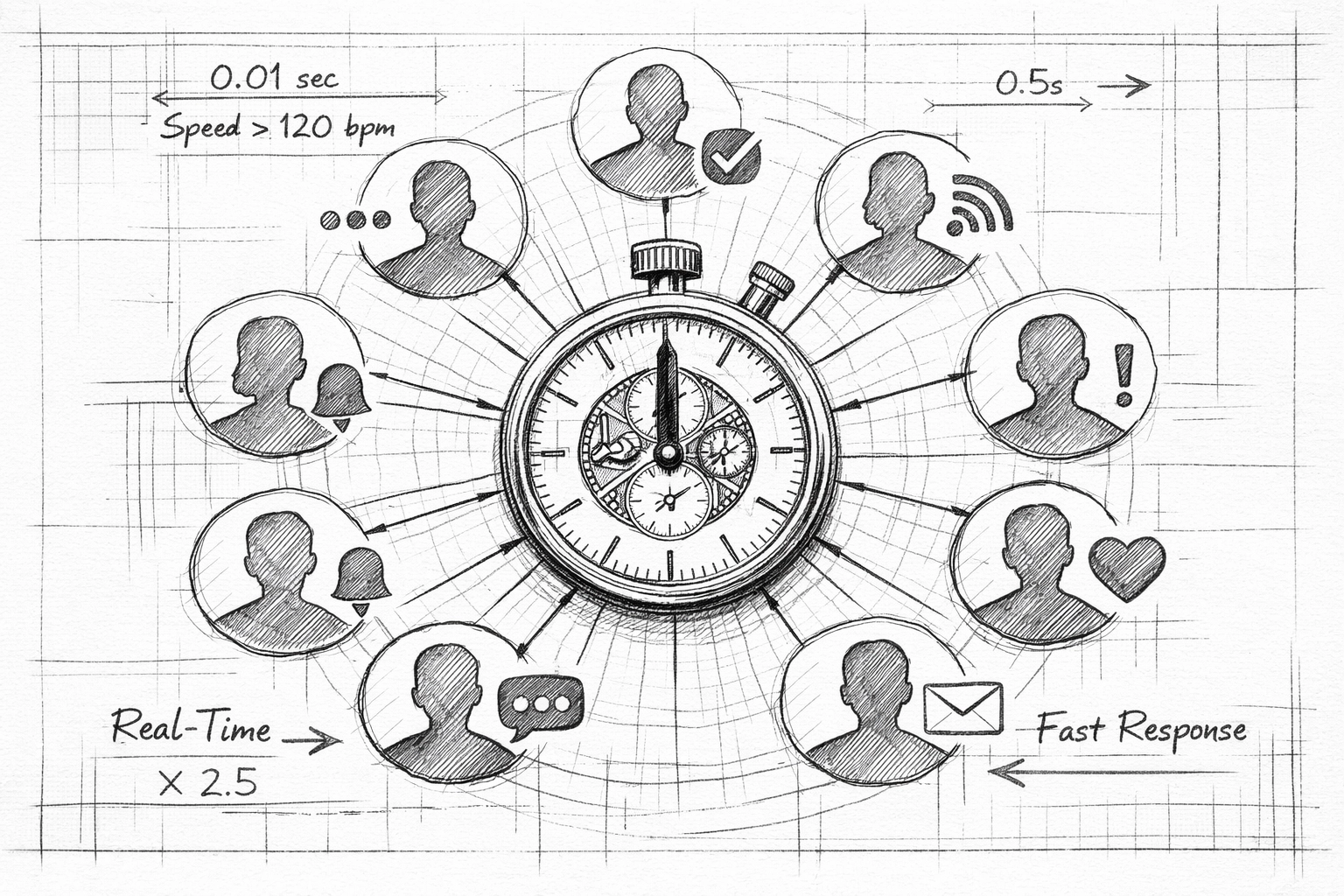
The fastest way to scale appointment setting services isn't more activity: it's faster, smarter response times.
Research consistently shows that responding to high-intent prospects within 24 hours increases conversion rates by 8-10x compared to waiting 48 hours. Yet most B2B companies take 3-5 days to follow up on warm leads.
Here's the rule: when a prospect shows three or more engagement signals within seven days: email opens, website visits, content downloads, LinkedIn profile views: they're actively evaluating solutions. That's your trigger to escalate immediately.
Pipeline automation makes this possible. Instead of relying on reps to manually check engagement reports, your system flags high-intent prospects and routes them to the appropriate team member instantly.
This doesn't just improve conversion rates. It shortens sales cycles by 20-30% because you're engaging prospects when they're already in buying mode.
How Boutique Firms Solve the Implementation Gap
Most companies know they need better B2B lead generation services. The problem isn't awareness: it's execution.
Your internal team is already managing existing clients, running campaigns, and hitting quarterly targets. They don't have bandwidth to research tools, negotiate contracts, implement new systems, and train the team.
This is where specialized boutique firms create leverage.
At Bullpen Business, we connect companies with expert partners who implement sales automation and pipeline automation systems without the overhead of hiring full-time staff. These firms have deployed the same systems dozens of times. They know which tools integrate cleanly. They've already negotiated preferred pricing. They can stand up a complete automation infrastructure in days, not months.
The value isn't just speed: it's precision. Instead of trial-and-error with your internal team, you leverage proven playbooks that have generated measurable results across similar companies.
This model improves profitability because you're not carrying fixed costs. You're accessing expertise exactly when you need it, scaling up or down based on business needs.
Implementation: What to Do Right Now
You don't need to overhaul your entire sales process today. You need to make three decisions in the next five minutes:
Decision 1: Define Your Ideal Customer Profile (ICP) With Precision
Stop targeting "mid-market SaaS companies" or "enterprise healthcare organizations." Get specific. What revenue range? How many employees? Which technology stack? What trigger events indicate they're ready to buy?
Spend five minutes documenting this. If you can't describe your ICP in three sentences, your targeting is too broad.
Decision 2: Identify One Manual Task to Automate This Week
Don't try to automate everything at once. Pick the single most time-consuming manual task your team handles daily. Is it lead research? Email personalization? Data entry? Meeting scheduling?
Choose one. Find a tool or partner that automates it. Implement it this week.
Decision 3: Set Up Intent-Based Alerts
If you're not monitoring prospect engagement in real time, you're leaving pipeline on the table. Set up alerts: within your CRM or via a third-party tool: that notify reps immediately when high-intent prospects take specific actions.
This takes five minutes to configure and can double your speed-to-lead.
The Bottom Line: Leverage Beats Headcount
Scaling B2B lead generation doesn't require hiring more salespeople. It requires amplifying the capacity of the team you already have.
When you replace volume with precision targeting, automate manual tasks, and deploy the right technology, you transform pipeline output without transforming headcount.
The companies winning in 2026 aren't the ones with the largest sales teams. They're the ones leveraging automation, data, and specialized expertise to do more with less.
You don't need more reps. You need better systems: and you can start building them in the next five minutes.
Ready to connect with firms that specialize in implementing sales automation and pipeline automation? Explore how Bullpen Business helps companies improve profitability by connecting them with the right partners at the right time.
Comments