%20(3)_edited_edited.png)


Sales Automation Software, CRM Systems, and Appointment Setting: 10 Integration Ideas
- Peter Casey
- Feb 24
- 6 min read

Integration between your sales automation software, CRM systems, and appointment setting tools may determine whether your sales pipeline thrives or stalls. When these systems operate in silos, your team wastes valuable time on manual data entry, misses follow-up opportunities, and struggles to maintain accurate prospect information.
The difference between companies that scale efficiently and those that plateau often comes down to how well their sales technology works together. Proper integration enables your sales automation and CRM automation to function as a unified system rather than disconnected platforms.
1. Automated Meeting Follow-Ups
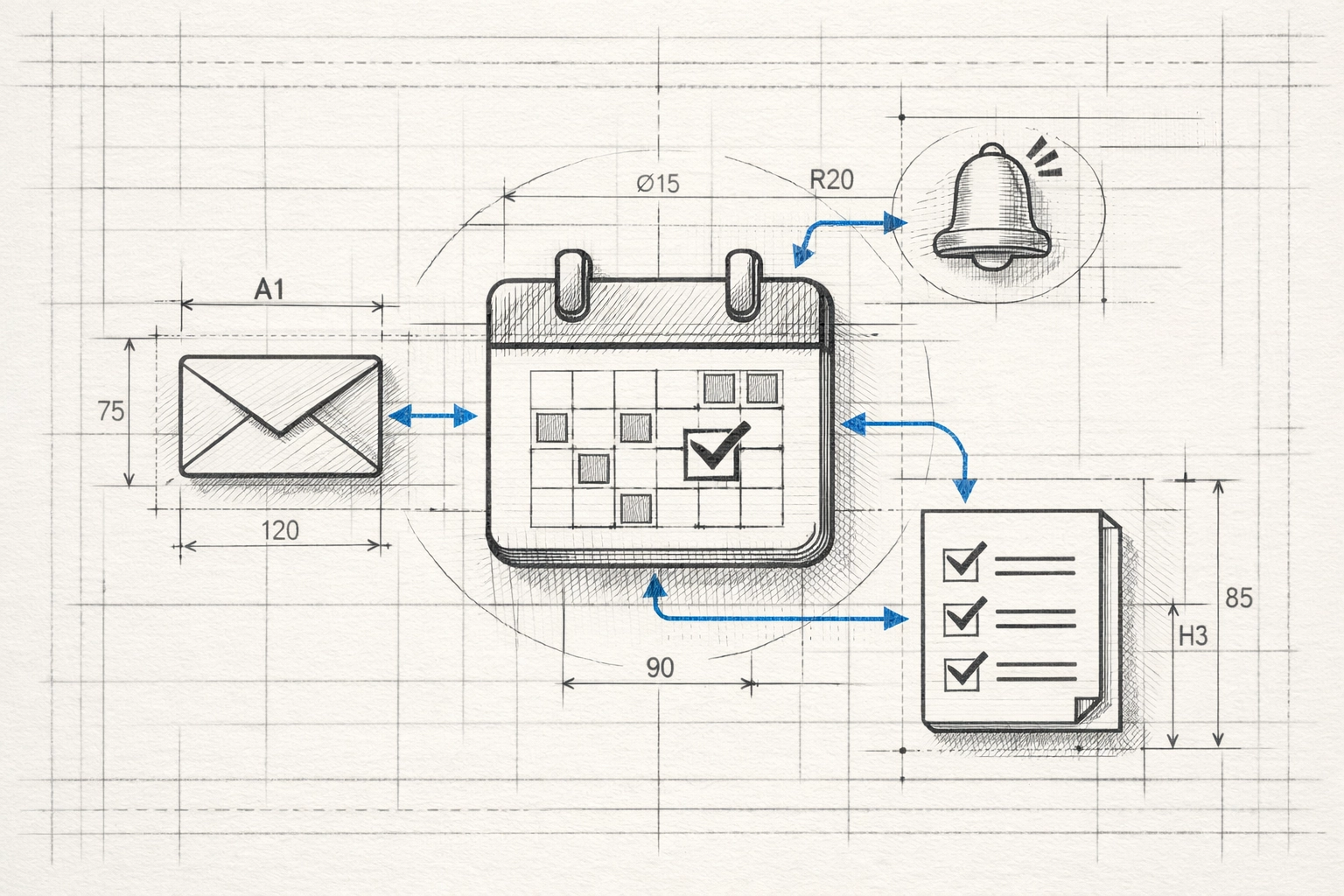
Your sales team should not manually track which prospects need follow-up after appointments. Integrated systems trigger follow-up actions automatically based on meeting outcomes.
When a sales call concludes, your CRM can initiate a customized email sequence depending on the prospect's expressed interest level. If the meeting identified specific pain points, your pipeline automation can assign relevant content or schedule the next touchpoint without requiring manual intervention.
This approach ensures no prospect falls through the cracks during critical post-appointment stages. Your team receives notifications alerting them when leads perform key actions after meetings, enabling timely responses that keep momentum alive.
2. Lead Assignment Automation
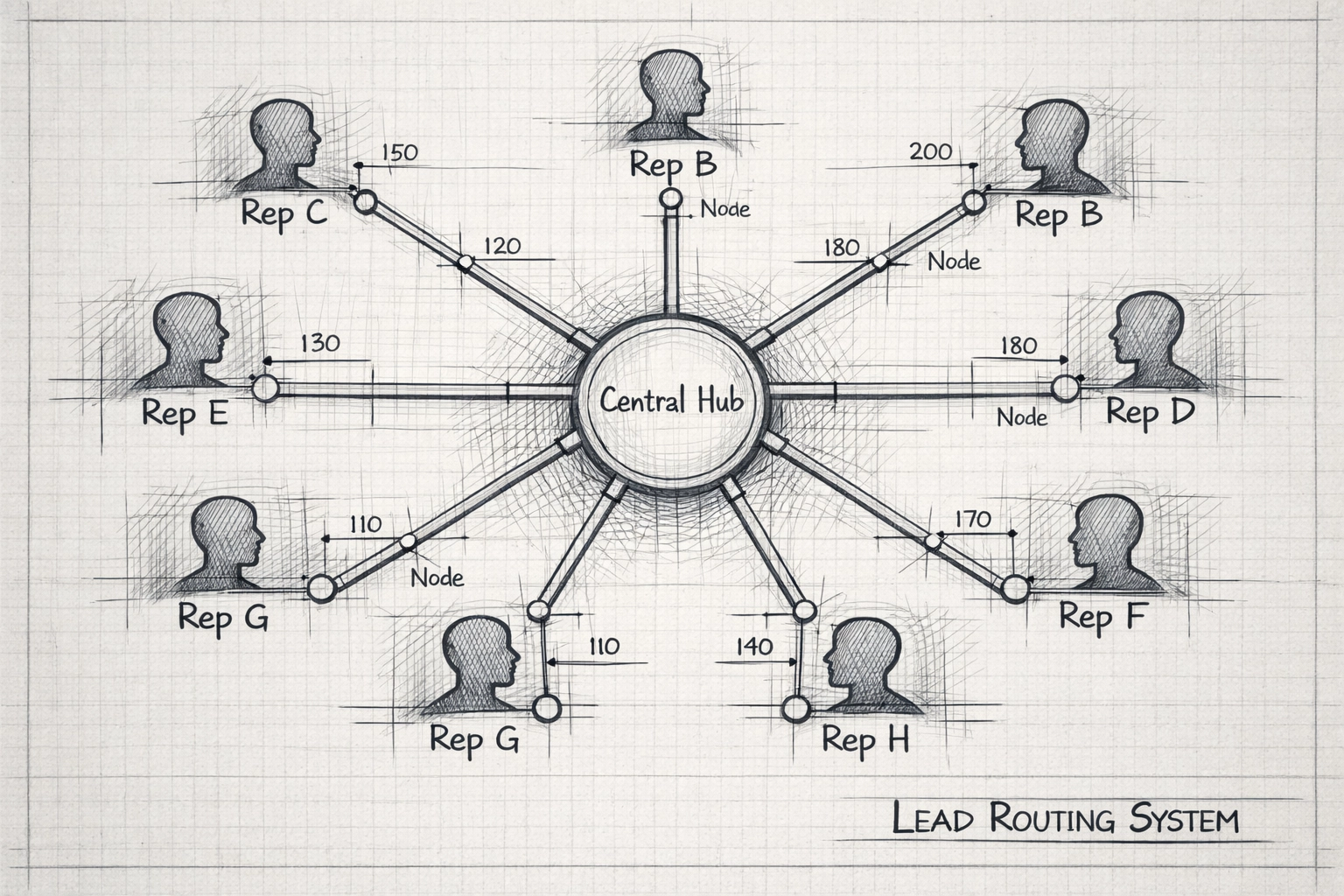
Manual lead assignment creates bottlenecks and delays that cost you opportunities. Integrated appointment setting services automatically route prospects to the most appropriate sales representative based on predefined criteria.
Your system can assign leads based on geographic territory, industry expertise, deal size, or current workload distribution. When a prospect books an appointment through your scheduling tool, the integration immediately updates your CRM and notifies the assigned representative with complete context.
This automation eliminates the coordination overhead that typically consumes sales management time. Your B2B lead generation services become more efficient when prospects connect with the right specialist from the first interaction.
3. Scheduled Communication Sequences
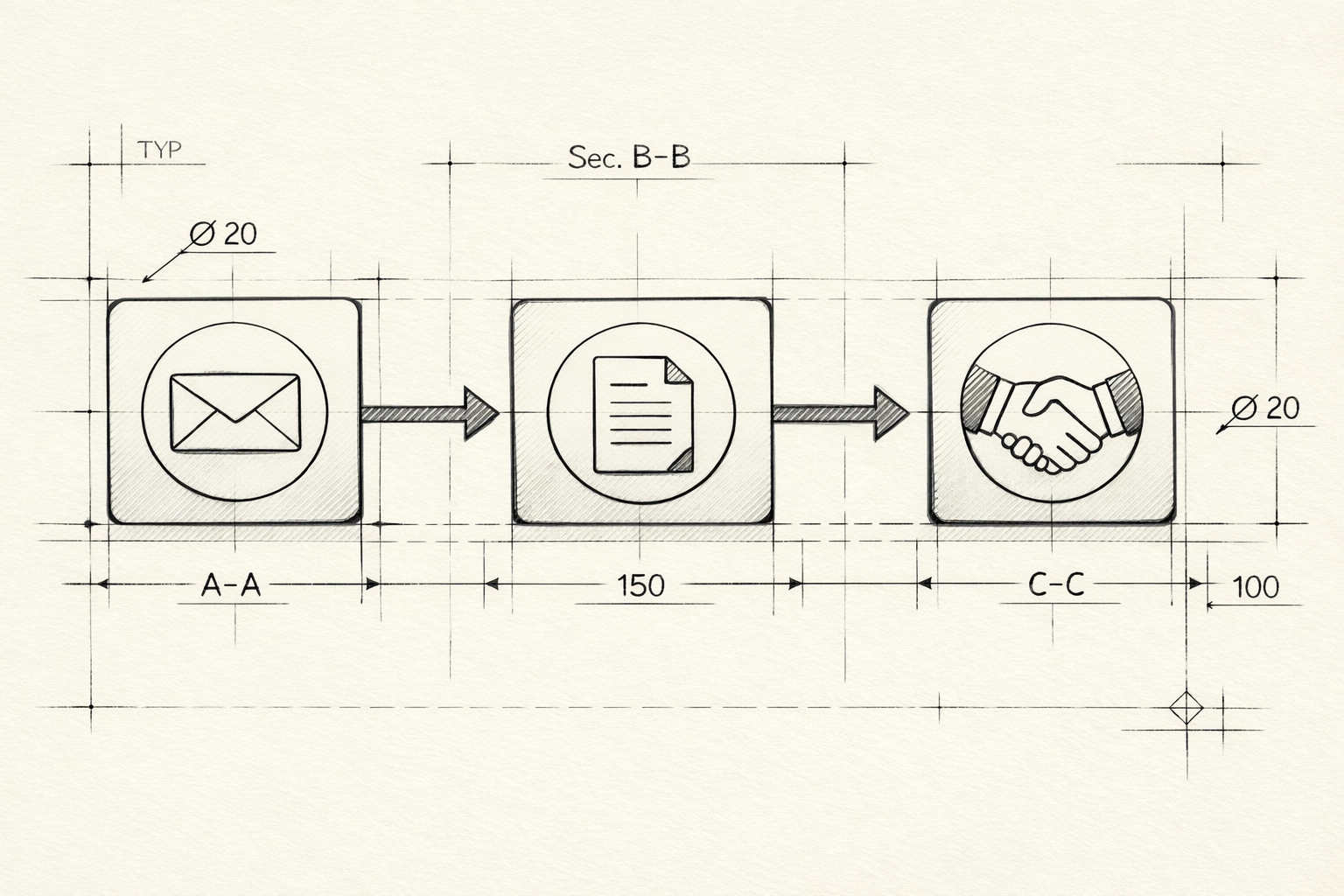
Integration enables sophisticated communication workflows that nurture prospects through multiple stages. Your sales automation can coordinate email sequences, appointment reminders, and educational content delivery based on where each prospect sits in your pipeline.
New prospects receive welcome sequences that establish expectations and provide initial value. Mid-funnel leads get educational content addressing common objections or questions. Sales-ready prospects receive conversion-focused messaging designed to schedule consultations or demonstrations.
These sequences run automatically while adapting to prospect behavior. If a lead opens specific content or visits particular web pages, your integrated system adjusts subsequent messages accordingly. This level of pipeline automation requires seamless data flow between your CRM and communication platforms.
4. Real-Time Notifications
Timing matters significantly in sales. When prospects demonstrate high-intent behaviors, your team needs immediate awareness to capitalize on that momentum.
Integrated systems send real-time alerts when leads perform actions indicating readiness to advance. These triggers may include email engagement, website visits to pricing pages, content downloads, or responses to outreach attempts.
Your CRM automation can prioritize these notifications based on lead scoring, ensuring your team focuses attention on the most promising opportunities. Rather than discovering prospect interest hours or days later during routine follow-up, your representatives can respond while the prospect actively considers your solution.
5. Lead Scoring Automation
Not all prospects deserve equal attention or the same appointment-setting approach. Automated lead scoring helps your team allocate time efficiently by identifying which opportunities warrant immediate focus.
Your integrated system assigns scores based on demographic data, behavioral signals, and engagement patterns. Prospects matching your ideal customer profile who actively consume your content receive higher scores than those showing minimal interest.
This scoring directly impacts your appointment setting services by ensuring your team pursues qualified opportunities rather than chasing cold leads. When someone reaches a predetermined score threshold, your system can automatically schedule outreach or offer calendar booking options.
6. Personalized Appointment Reminders
Meeting no-shows waste considerable time and resources. Integration enables customized reminder sequences that reduce cancellations while reinforcing your value proposition.
Your system sends reminders through multiple channels: email, SMS, or even automated voice messages: based on prospect preferences. These reminders include relevant details like meeting agenda, participant names, and any preparation the prospect should complete.
The personalization extends beyond basic details. Your CRM data allows reminders to reference specific pain points discussed during qualification or highlight particular solutions you plan to demonstrate. This contextual approach keeps prospects engaged and reduces last-minute cancellations.
7. Automated Task Tracking
Sales managers need visibility into appointment progress and follow-up completion. Manual tracking creates administrative burden and provides incomplete data.
Integrated systems automatically log all prospect interactions: emails sent, meetings conducted, phone calls made, and content shared. This information populates your CRM without requiring representatives to update records manually.
Your pipeline automation gives leadership real-time insights into deal progression, activity levels, and potential bottlenecks. When appointments occur, the system records outcomes and generates suggested next steps based on the conversation stage.
8. Synchronized Customer Data
Accurate, complete customer information represents the foundation of effective sales processes. When data exists in multiple disconnected systems, inconsistencies emerge that undermine your team's effectiveness.
Integration ensures every platform accesses the same current information. When a prospect updates contact details in your scheduling tool, that change immediately reflects in your CRM and sales automation platform. When representatives add notes after appointments, those insights become available across all systems.
This synchronization eliminates the confusion and errors that occur when teams work from outdated or conflicting data. Your B2B lead generation services benefit significantly from this unified view, as outreach efforts use accurate targeting and messaging.
9. Predictive Appointment Timing
Advanced integration leverages behavioral data to identify optimal appointment scheduling windows. Your system analyzes historical patterns to determine when specific prospects are most likely to book meetings and actually attend.
If data shows prospects in particular industries prefer morning calls, your appointment setting services can prioritize those time slots. If certain buyer personas demonstrate higher conversion rates after consuming specific content, your automation can time outreach accordingly.
This predictive capability extends to follow-up scheduling. Rather than using arbitrary intervals, your integrated system recommends next touchpoints based on what typically drives progression for similar opportunities in your pipeline.
10. Sales Forecasting for Capacity Planning
Integration between your CRM systems and appointment tools provides the data foundation for accurate forecasting. Your organization can predict appointment volume, conversion rates, and resource requirements based on pipeline metrics.
This forecasting helps sales leadership allocate resources efficiently. If your B2B lead generation services are generating more qualified leads than your team can handle, you identify capacity constraints before they create bottlenecks. If appointment booking rates decline, you receive early warning to adjust outreach strategies.
The predictive analytics also inform decisions about when to expand your team, which territories need additional coverage, and where to focus your sales automation investments for maximum impact.
How Bullpen Business Facilitates Integration Success
Implementing these integrations requires selecting the right combination of tools and partners. Many organizations struggle to identify which boutique firms offer specialized expertise in sales automation, CRM automation, and appointment setting services.
Bullpen Business connects companies with vetted providers who excel at building and optimizing these integrated systems. Rather than navigating the marketplace alone, you gain access to specialists who understand your industry's unique pipeline automation requirements.
These partnerships help you avoid costly implementation mistakes while accelerating time-to-value. The boutique firms in our network bring specialized knowledge that general solution providers cannot match, resulting in more effective integrations tailored to your specific sales processes.
Moving Forward with Integration
The ten integration ideas outlined above represent foundational capabilities that modern sales organizations require to compete effectively. Your specific implementation will depend on your current technology stack, team structure, and growth objectives.
Generally speaking, companies that approach integration strategically: prioritizing connections that eliminate their most significant bottlenecks first: achieve faster results than those attempting comprehensive overhauls. You may start with automated meeting follow-ups and lead assignment before advancing to predictive capabilities.
The key involves ensuring your sales automation software, CRM systems, and appointment setting tools function as a coordinated ecosystem rather than isolated platforms. When properly integrated, these systems multiply your team's effectiveness while reducing the manual coordination that typically consumes valuable selling time.
For organizations serious about scaling their sales operations, investing in integration infrastructure pays dividends through improved conversion rates, shortened sales cycles, and more efficient resource utilization. The question is not whether to integrate these systems but rather how quickly you can implement connections that address your most pressing challenges.
Comments