%20(3)_edited_edited.png)


Why Everyone Is Talking About Pipeline Automation in 2026 (And How Small Businesses Can Compete)
- Peter Casey
- Feb 23
- 5 min read

Pipeline automation has become the dominant conversation in business technology circles this year. If you operate a small or mid-sized business, you may be wondering whether this trend applies to you: or if it's just another enterprise buzzword that doesn't translate to your reality.
The answer is clear: pipeline automation matters for businesses of all sizes. The difference in 2026 is that the technology has become accessible enough for smaller operations to implement, while the competitive pressure to adopt it has intensified considerably.
What's Driving the Pipeline Automation Conversation
Organizations are moving away from reactive, manual processes toward intelligent systems that operate with minimal human intervention. This shift represents a fundamental change in how businesses approach sales automation, CRM automation, and operational workflows.
Four key factors are driving this transformation:
Autonomous Self-Healing Capabilities
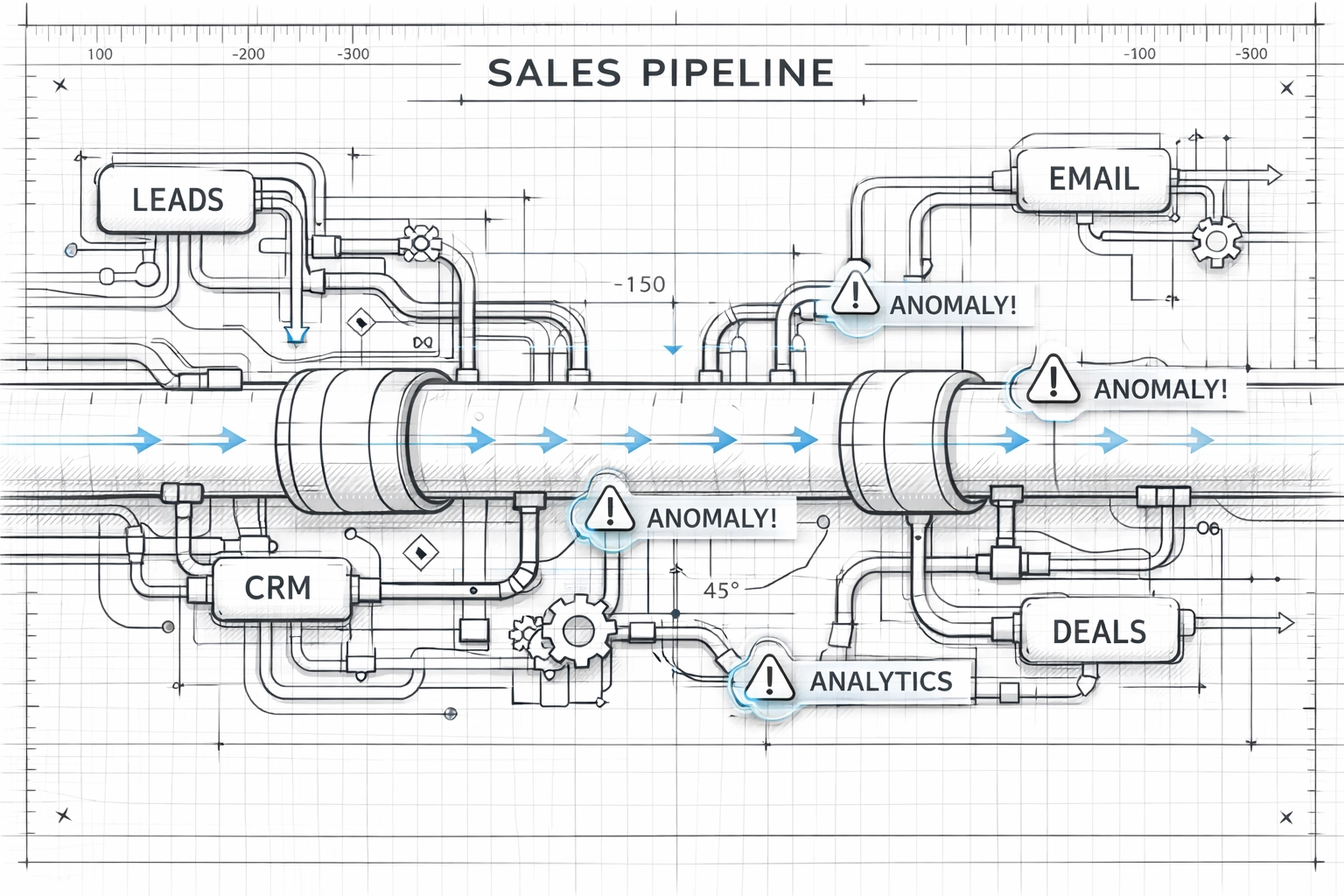
Traditional pipelines require your team to respond when problems occur. In 2026, automated systems analyze performance metrics in real time, detect anomalies like engagement drops or conversion bottlenecks, and can adjust campaigns or workflows without manual intervention.
This reduces the burden on your team and fundamentally changes how you allocate resources. Instead of constantly monitoring and fixing issues, your staff can focus on strategy and growth initiatives.
AI-Driven Orchestration
Artificial intelligence has moved beyond simple suggestions to actively managing entire workflows. Your team can describe desired outcomes: such as prioritizing high-value leads or scheduling appointments with qualified prospects: and AI systems translate that intent into automated actions across your CRM, email platforms, and appointment setting services.
This capability allows your senior staff to focus on validation and strategy rather than repetitive configuration tasks.
Operational Reliability at Scale
Modern pipeline automation platforms provide the connective tissue that enables businesses to move from insight to execution reliably. AI-driven anomaly detection has become standard, allowing you to identify unusual patterns in your sales pipeline or lead generation efforts before they become serious problems.
You no longer need to wait for monthly reports to discover that your B2B lead generation services aren't performing as expected. Real-time monitoring provides immediate visibility.
Natural Language Accessibility
Natural-language interfaces have become standard in automation platforms. This means operational and sales team members can configure workflows and build automations without deep technical expertise.
The democratization of pipeline creation across teams represents a significant competitive advantage for organizations that implement it effectively.
The Competitive Landscape Has Changed
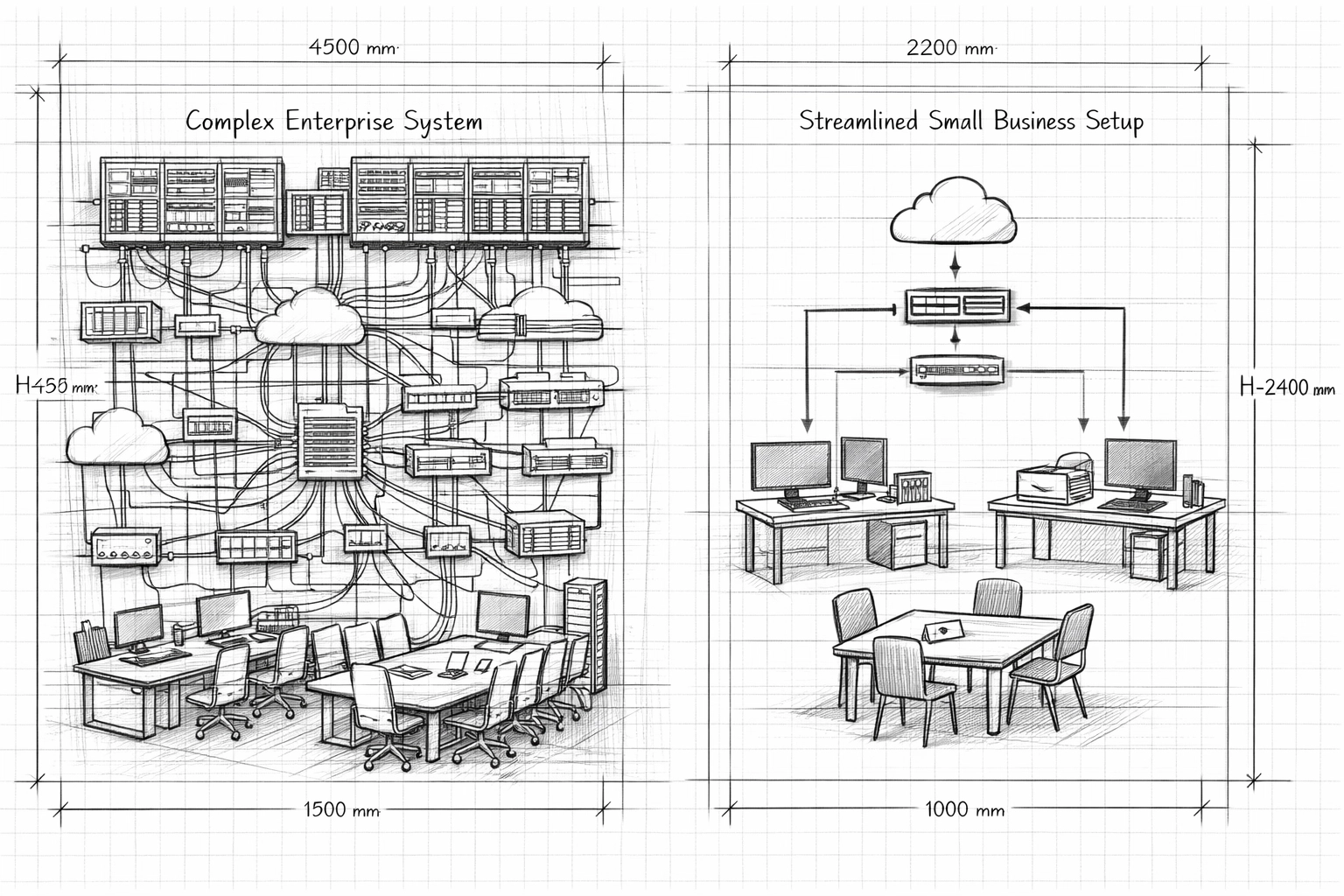
Large enterprises have invested heavily in automation infrastructure. They've built sophisticated systems that operate with minimal human intervention, processing leads, qualifying prospects, and scheduling appointments automatically.
If you're a small business owner, this might sound intimidating. You may assume that competing requires similar investments and technical resources.
The reality is different. Small businesses have distinct advantages that larger competitors cannot easily replicate.
How Small Businesses Can Compete Effectively
You don't need enterprise-scale complexity to benefit from pipeline automation. The following strategies allow smaller operations to compete effectively:
Adopt Accessible Automation Tools
The shift toward natural-language interfaces means you can implement sophisticated sales automation and CRM automation without requiring specialists in each tool. Start with platforms that offer AI-powered lead scoring, automated follow-up sequences, and intelligent appointment setting.
These tools are now available at price points that make sense for small business budgets. You can implement them incrementally rather than requiring massive upfront investments.
Focus on Developer and User Experience
While large enterprises optimize for scale, you can compete by making your systems frictionless. When your sales team can access information instantly, when your CRM automation actually reduces their workload rather than adding to it, and when your appointment setting services integrate seamlessly with existing workflows, you create a competitive advantage.
This focus on user experience helps you attract and retain talent. Quality team members prefer working with efficient systems.
Implement Connected Workflows
The key insight from 2026 is that isolated automation provides diminishing returns. A system that automatically captures leads but requires manual data entry into your CRM creates bottlenecks. An appointment setting service that doesn't integrate with your sales pipeline creates confusion.
Build your automation strategy around connected workflows. Ensure that your B2B lead generation services feed directly into your CRM automation, which then triggers appropriate follow-up sequences and appointment scheduling.
Leverage Real-Time Data
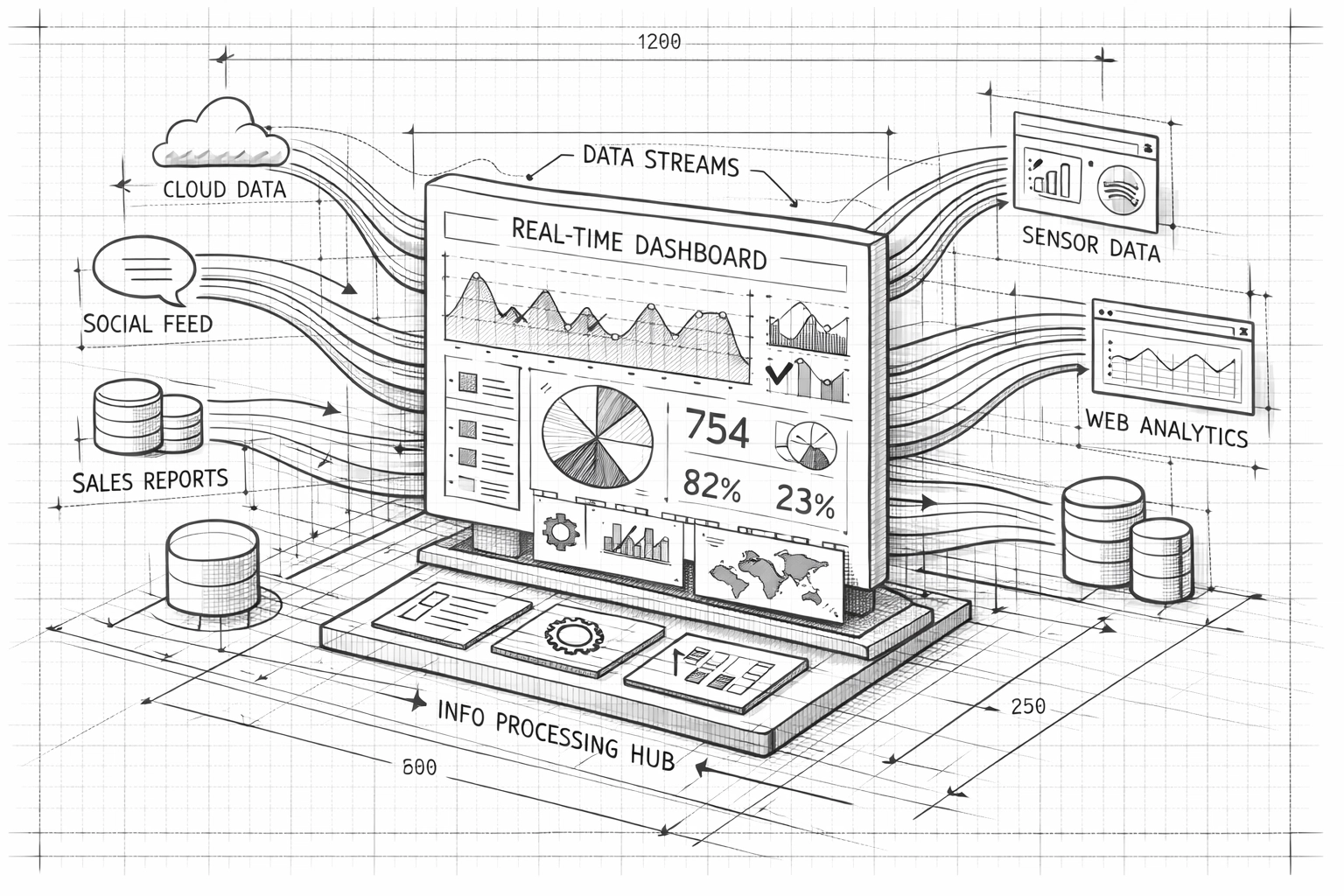
Real-time processing has become crucial for high-value business operations. Small, focused implementations of real-time data automation can provide operational insights that larger, slower competitors miss.
You can see immediately when a lead becomes qualified, when a prospect engages with your content, or when an appointment needs to be rescheduled. This responsiveness creates better customer experiences and higher conversion rates.
Start With Platform Fundamentals
You don't need to build everything at once. Implement basic automation that provides self-service capabilities and standardized processes. Even simple implementations reduce friction and allow your team to operate more efficiently.
The goal is progressive improvement, not perfection. Each incremental enhancement to your pipeline automation delivers measurable returns.
How Bullpen Business Helps Small Businesses Compete
At Bullpen Business, we understand the challenges small and mid-sized organizations face when implementing sales automation, CRM automation, and pipeline management systems.
You need solutions that work within your budget. You need implementation support that doesn't require hiring additional technical staff. You need partners who understand your specific industry and operational constraints.
We connect companies with boutique firms that specialize in these exact capabilities. Rather than forcing you to navigate the complex landscape of automation vendors alone, we identify the specific solutions that address your unique requirements.
Our approach focuses on improving profitability through strategic automation implementations. We work with specialized partners who provide:
Sales automation platforms designed for small business workflows
CRM automation that integrates with your existing systems
B2B lead generation services tailored to your target market
Pipeline automation that scales with your growth
Appointment setting services that actually convert qualified prospects
The boutique firms in our network have proven track records with organizations similar to yours. They understand that successful automation requires more than just technology: it requires understanding your processes, your team's capabilities, and your specific business objectives.
Taking Action in 2026
Pipeline automation is not a future trend: it's a current competitive necessity. Organizations that implement effective automation are capturing market share from those that continue relying on manual processes.
The question is not whether to automate, but how to implement automation strategically within your resource constraints.
You can compete effectively against larger competitors by focusing on accessible tools, connected workflows, and user experience. You don't need enterprise budgets to implement enterprise-quality automation.
If you're ready to explore how pipeline automation can improve your operations and profitability, schedule a consultation with our team. We'll assess your current processes, identify automation opportunities, and connect you with specialized firms that can implement solutions tailored to your specific needs.
The businesses that thrive in 2026 will be those that embraced automation strategically. The technology is accessible. The competitive pressure is real. The time to act is now.
Comments