%20(3)_edited_edited.png)


How to Integrate Sales Automation With Your Current Roster to Neutralize Operational Waste
- Peter Casey
- May 15
- 5 min read

In the current economic landscape of 2026, growth is no longer just about who has the largest sales floor. It is about who has the most efficient one. For many mid-market and Fortune 1000 organizations, "operational waste" has become a silent profit killer. It hides in manual data entry, fragmented communication, and the constant friction of a sales team performing tasks that a machine could handle in milliseconds.
When we talk about integrating sales automation with your current roster, we aren't talking about replacing your people. We are talking about neutralizing the waste that prevents your people from doing what they do best: closing deals and building relationships. At Bullpen Business, we’ve seen that the most successful companies don’t just buy software; they integrate specialized boutique expertise to refine their processes and maximize their existing headcount.
The High Cost of the "Manual" Sales Roster
Every hour your high-earning sales executive spends updating lead statuses in a CRM is an hour they aren't on the phone with a qualified prospect. According to recent industry data, poor data quality and manual processes cost businesses up to 30% of their annual revenue. This is the definition of operational waste.
The "roster" you have today: your account executives, your SDRs, and your managers: is likely capable of producing 2x or 3x their current output if the administrative weight were lifted. This is where CRM automation and pipeline automation become essential. By automating the "busy work," you effectively expand your team's capacity without adding a single person to the payroll.

Identifying Waste in Your Current Sales Workflow
Before you can integrate automation, you must identify where the leaks are occurring. Operational waste typically manifests in three areas:
Lead Stagnation: Leads that sit in the pipeline for days because no one "moved" them to the next stage or sent a follow-up.
Data Fragmentation: Sales reps using disparate spreadsheets or personal notes because the CRM is too "clunky" to update manually.
Low-Value Activity: Spending 60% of the day on prospecting and cold outreach rather than high-intent conversations.
To understand how to move away from these inefficiencies, many leaders look toward sales automation 101 to reset their baseline. Once you identify the "robot work" your humans are doing, you can begin the integration process.
Step 1: Centralizing the Roster with CRM Automation
The foundation of a waste-free sales department is a unified source of truth. If your roster is working across different platforms or manual logs, you are losing data. CRM automation ensures that every interaction: from the first email to the final contract: is logged without human intervention.
Integration doesn't mean a total overhaul. It means connecting your current tools so they talk to each other. For example, by integrating your email and calendar directly into your CRM, your team no longer needs to log "completed tasks." The system does it for them. This creates a transparent environment where managers can see real-time performance, and reps can focus purely on the next step in the sale.
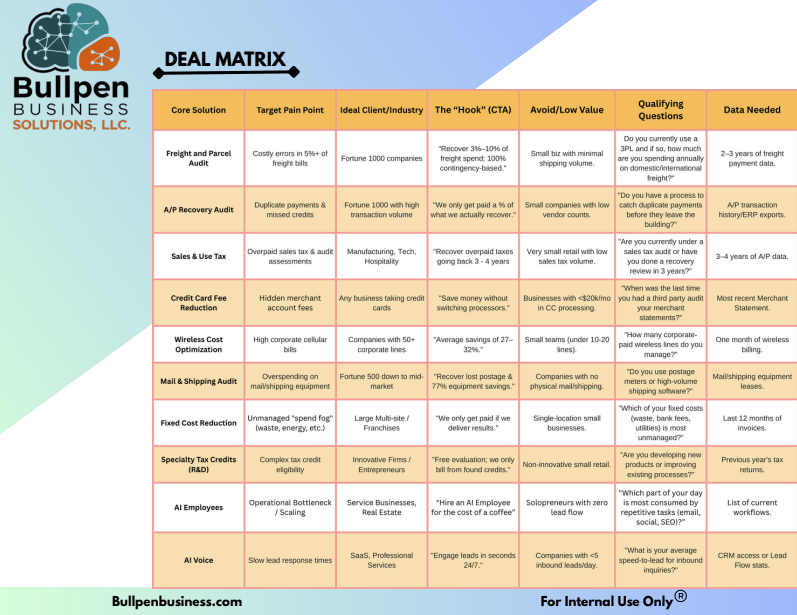
Step 2: Implementing Pipeline Automation to Drive Velocity
A common source of waste is "the middle of the funnel." Leads enter with excitement but die out because of a lack of consistent follow-up. Pipeline automation solves this by triggering specific actions based on prospect behavior.
Imagine a scenario where a prospect downloads a whitepaper. Instead of a sales rep needing to remember to call them, the system automatically:
Sends a personalized introductory email.
Assigns a follow-up task to the rep for 24 hours later.
Updates the lead score based on the prospect's engagement.
By the time your salesperson gets involved, the lead is "warmed up." This reduces the time-to-close and ensures that no opportunity falls through the cracks. For companies looking to scale quickly, mastering pipeline automation is often the difference between a stagnant quarter and a record-breaking one.
Step 3: Leveraging Boutique B2B Lead Generation Services
One of the biggest mistakes companies make is forcing their best closers to spend their time on "top-of-funnel" prospecting. This is an expensive use of talent. Instead, integrating your roster with B2B lead generation services and appointment setting services allows your team to focus exclusively on the "end-zone."
Bullpen Business specializes in connecting organizations with boutique firms that handle these specific tasks. These firms aren't just call centers; they are specialized extensions of your team that use advanced sales automation tools to deliver high-intent appointments directly to your reps' calendars.
This integration neutralizes waste by:
Ensuring your internal roster only speaks to qualified decision-makers.
Lowering the "cost per acquisition" by utilizing expert external systems.
Allowing your team to scale lead volume up or down based on seasonal needs without hiring/firing internal staff.

Step 4: The Human-Machine Handshake
The most common fear among sales teams is that automation will make them obsolete. In reality, it makes them more valuable. To successfully integrate these tools, you must frame them as "force multipliers."
Your current roster should be trained on how to use the data generated by CRM automation to have better conversations. If the system tells a rep that a prospect has visited the pricing page three times in the last hour, that rep can call with a specific, high-value offer. This is the "Human-Machine Handshake": using automated insights to drive human connection.
To see how this works in practice, consider how boutique firms help fix common CRM mistakes. By removing the friction of a poorly managed system, your team's morale increases as they spend more time winning and less time documenting.
Why Boutique Firms are the Secret to Neutralizing Waste
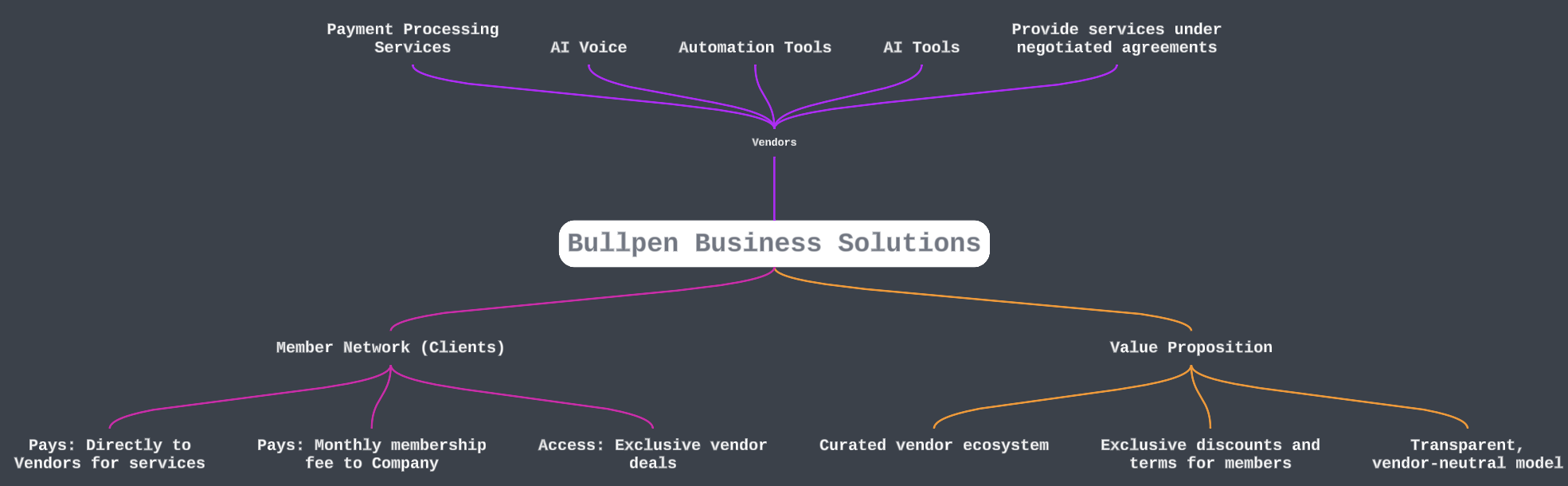
Most large consulting firms try to sell you a "one-size-fits-all" software package. At Bullpen Business, we take a different approach. We believe that your specific operational waste requires a specific, boutique solution. Whether it's a firm that specializes in AI-driven appointment setting services or a team that excels in deep-funnel pipeline automation, the goal is to find the perfect match for your existing roster.
Our network of vendors is curated to ensure they integrate seamlessly with your current tech stack. This "vendor-neutral" approach means we aren't pushing a specific software; we are pushing the specific result of higher profitability and lower waste.
Conclusion: Refunding Your Growth Through Efficiency
Integrating sales automation is ultimately about "finding money" already hidden in your budget. When you neutralize operational waste, you reduce the need for constant new hires and lower your overhead. You are essentially funding your growth without increasing headcount.
The transition from a manual, wasteful roster to an automated, high-velocity team doesn't happen overnight, but it is the most critical transformation your business will undergo in 2026. By focusing on sales automation, CRM automation, and the right B2B partnerships, you can ensure that every person on your roster is a profit center, not a cost center.
At Bullpen Business, we are here to help you navigate this integration. We connect you with the specialized firms that can look at your current roster, identify the waste, and implement the automation needed to neutralize it forever. Stop letting your potential profit leak out through manual processes: it's time to automate and dominate.
Comments