%20(3)_edited_edited.png)


Sales Automation vs. Headcount: Which Is Better For Your Profitability in 2026?
- Peter Casey
- Mar 17
- 5 min read

As we move through the first quarter of 2026, the economic landscape for B2B organizations has shifted toward a "profit-first" mentality. The era of scaling through aggressive hiring, often referred to as "throwing bodies at the problem", has largely been replaced by a more surgical approach to growth. For executives and founders, the primary question remains: Should you increase your headcount to drive revenue, or should you invest in sales automation?
The answer is no longer a matter of opinion but a matter of data. In a market where labor costs continue to rise and the availability of top-tier sales talent is limited, your ability to scale effectively depends on how you leverage technology. At Bullpen Business, we specialize in helping companies navigate this transition by connecting them with boutique firms that implement high-level pipeline automation and CRM automation strategies.
The Financial Case for Automation Over Headcount
When evaluating profitability, you must look beyond the base salary of a new hire. A new sales representative carries costs including benefits, taxes, onboarding time, and the inevitable risk of churn. Data from early 2026 suggests that companies utilizing robust sales automation tools see an average return of $5.44 for every dollar spent.
In contrast, the cost of a full-time SDR (Sales Development Representative) often takes six to nine months to recoup. Organizations that prioritize automation report 30% higher deal sizes and 27% higher close rates. This is not because the software is "selling" better than a human, but because it ensures that no lead is dropped and every interaction is data-driven.
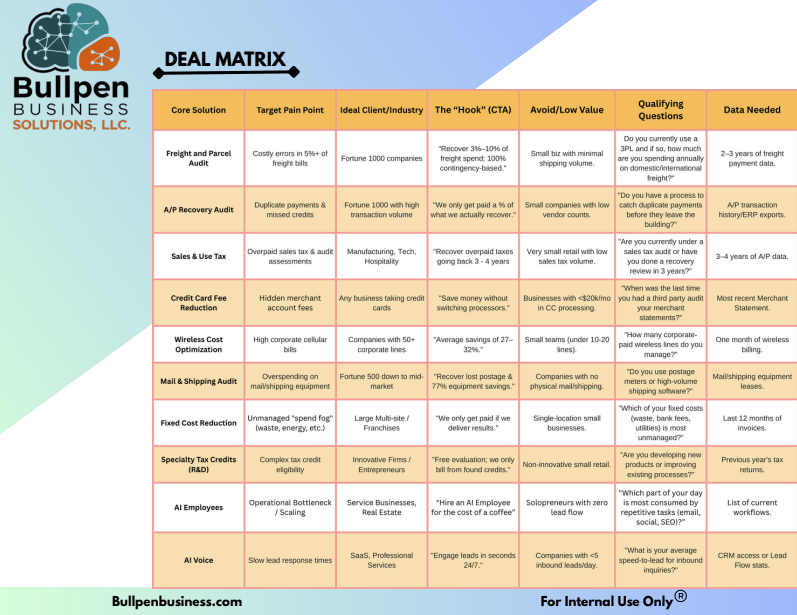
As shown in our Deal Matrix, identifying the specific pain points, such as inefficient lead scoring or manual follow-up, allows for the deployment of targeted AI employees and automation services. By addressing these gaps with technology rather than more staff, you maintain a leaner organization with higher margins.
The Efficiency Gap: Why Headcount Often Hits a Ceiling
A human sales representative is limited by hours in a day. Research indicates that the average rep spends only about 33% of their time actually selling. The rest is consumed by administrative tasks, data entry, and manual prospecting.
By implementing CRM automation, you can reduce administrative burdens by approximately 17%. This effectively "gives back" nearly a full day of work to your existing team every week. When you multiply this across a small team, the efficiency gains equal the output of an additional hire without the overhead.
The Power of Pipeline Automation
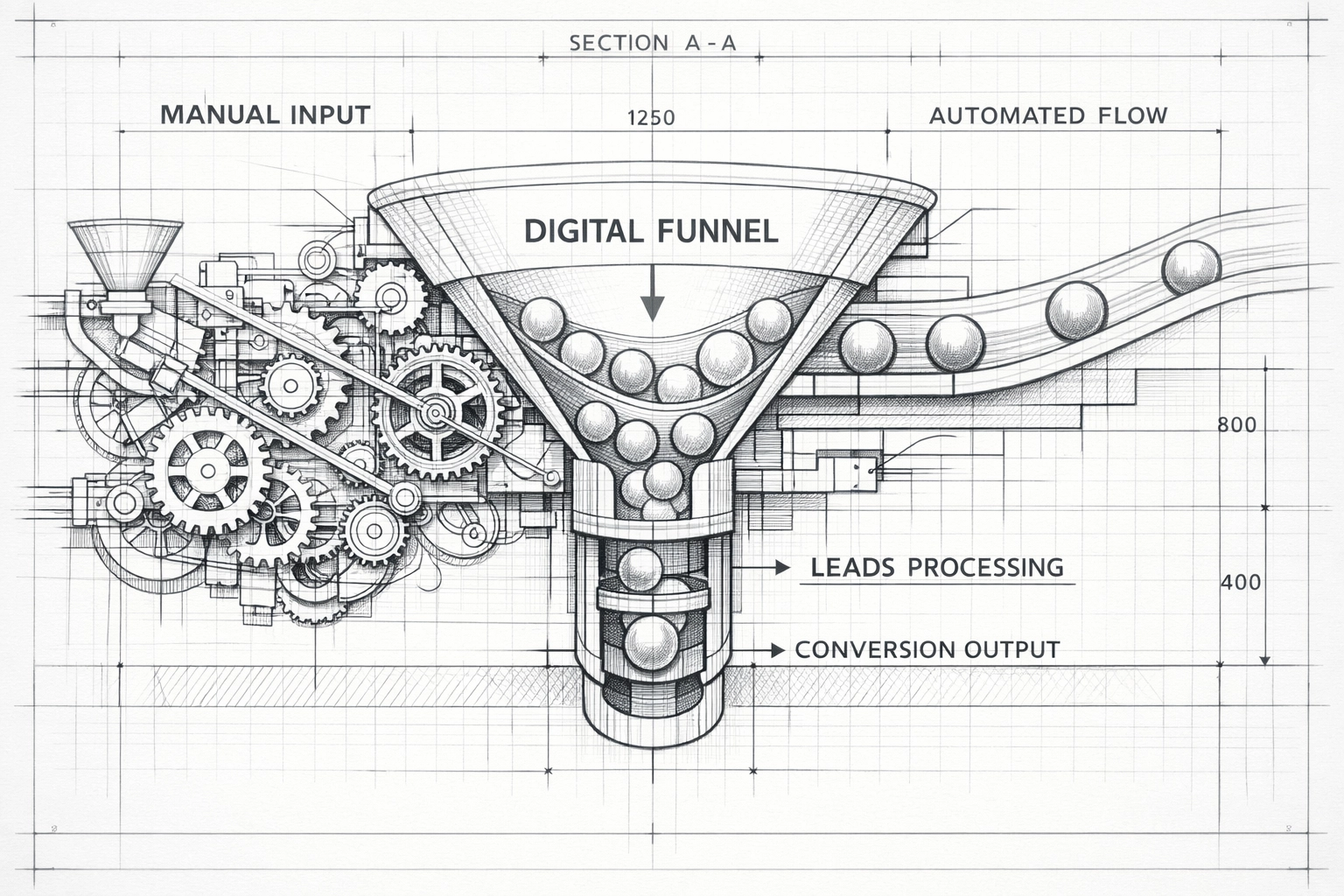
Pipeline automation ensures that your sales funnel remains fluid. In 2026, "leaky funnels" are the primary killer of profitability. Automated follow-ups alone have been shown to close deals 20% faster. If your current team is struggling to keep up with outreach, adding more people often compounds the chaos. Instead, automating the middle of the funnel allows your current high-performers to focus on what they do best: closing complex deals and building relationships.
B2B Lead Generation Services: The Boutique Firm Advantage
One of the biggest mistakes companies make is trying to build a massive internal lead generation department. This often leads to what we call a "ghost department", a team that looks productive on paper but fails to deliver a consistent ROI.
In 2026, the most profitable companies are moving away from massive internal teams and toward specialized B2B lead generation services and appointment setting services provided by boutique firms.
Why boutique firms?
Specialization: They use proprietary stacks for sales automation that are too expensive or complex for a single company to manage internally.
Agility: They can scale their efforts up or down based on your current pipeline needs.
Cost-Effectiveness: You pay for results (appointments and qualified leads) rather than salaries and overhead.
Bullpen Business acts as the bridge here. We vet these boutique providers to ensure they align with your specific industry and goals. Whether you need sophisticated appointment setting services or a complete overhaul of your outbound strategy, we connect you with partners who prioritize your profitability.
You can learn more about how to avoid the "ghost department" trap in our guide on how to use sales automation to stop scaling your ghost department.
The Hybrid Approach: Support, Not Replacement
It is a common misconception that sales automation is intended to replace humans entirely. In high-ticket B2B sales, the human element remains vital for trust and complex negotiation. The goal for 2026 should be a hybrid model where automation serves as the "support staff" for your elite sales team.
By automating lead scoring, research, and initial outreach, your reps can engage with leads that are already 451% more "sales-ready." This increases morale because your team is no longer "smiling and dialing" through cold lists; they are having meaningful conversations with prospects who have already demonstrated intent.
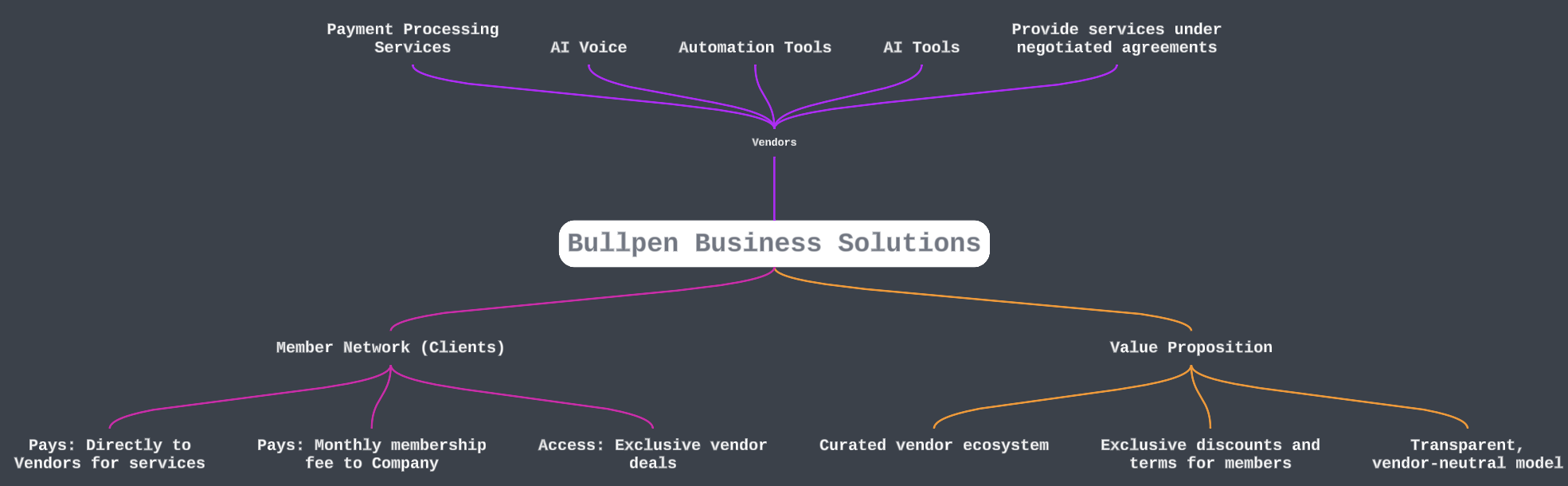
Our ecosystem, as illustrated in the mind map above, focuses on a curated network of vendors. This model allows you to plug in specific automation tools, from AI voice to automated payment processing, that support your staff's workflow.
Implementing CRM Automation to Protect Your Data
Your CRM is the lifeblood of your business, but it is only as good as the data inside it. Manual data entry is prone to error and often ignored by busy sales reps. CRM automation ensures that every interaction, email, and meeting is logged automatically.
This level of precision allows for better forecasting. In fact, 54% of sales professionals in 2026 report that automation has made it significantly easier to prioritize leads. When you know exactly which deals are likely to close, you can allocate your human resources (your headcount) to the highest-value opportunities.
If you are currently struggling with a messy CRM, you might be making common errors that are costing you revenue. Check out our insights on 7 mistakes you’re making with CRM automation to see how to rectify them quickly.
The Bullpen Business Methodology
At Bullpen Business, we understand that the sheer volume of sales automation tools available can lead to "software bloat." Many companies buy licenses for tools they never fully implement, which hurts profitability rather than helping it.
Our role is to streamline this process. We offer a transparent, vendor-neutral model that focuses on:
Cost Recovery: Identifying where you are overspending on current headcount or inefficient tech.
Vetted Networks: Connecting you with boutique firms that specialize in B2B lead generation services and pipeline automation.
Scalability: Helping you build a framework that allows for growth without the linear increase in payroll.
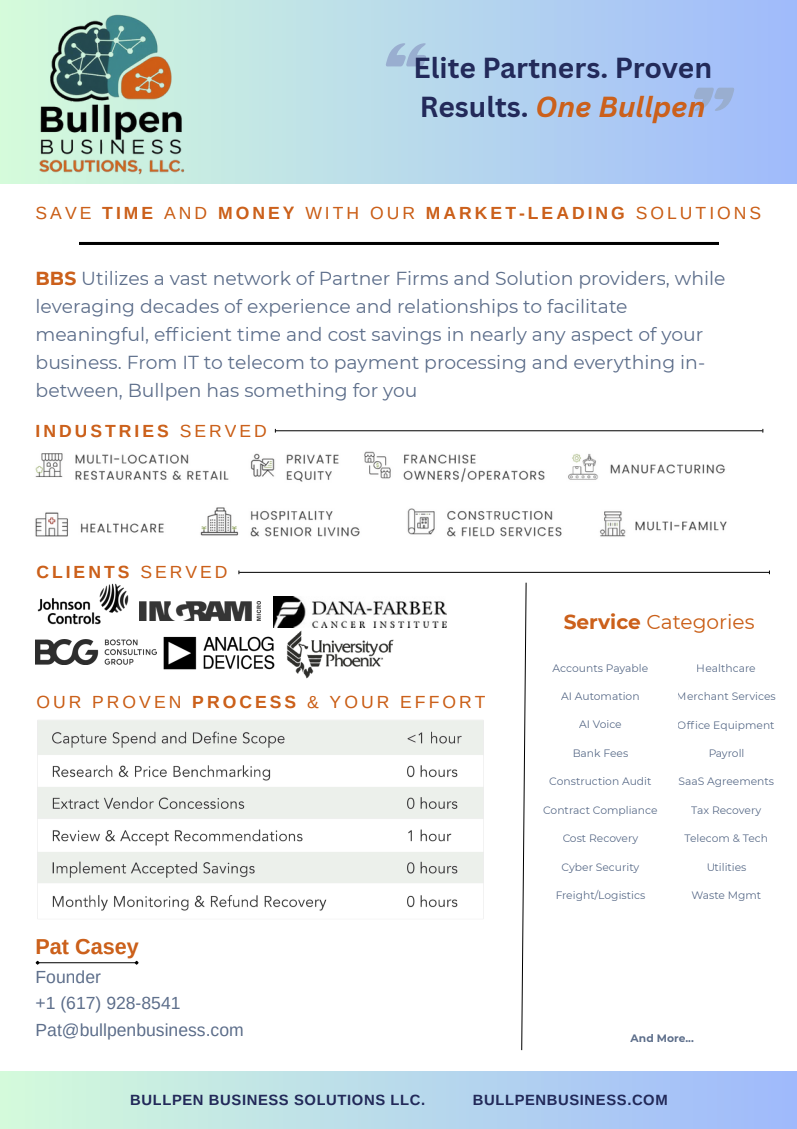
As shown in our overview, we serve a wide range of industries by simplifying the complex. We take the burden of "finding the right solution" off your plate so you can focus on running your business.
Final Verdict: Headcount or Automation?
For 2026, the verdict is clear: Automation should lead, and headcount should follow.
Before you post a new job opening for a sales rep, ask yourself if the tasks they will perform can be handled by sales automation or an outsourced appointment setting service. In most cases, the answer is yes. By automating the repetitive, low-value tasks, you can hire fewer, higher-quality people and pay them better, leading to lower turnover and higher overall profitability.
If you are ready to scale your pipeline without the traditional headaches of hiring, Bullpen Business is here to guide you. From pipeline automation secrets to connecting you with the right boutique firms, we ensure your growth is both sustainable and profitable.
To explore how we can help your specific organization, visit our booking services or review our pricing plans to see which model fits your current stage of growth. Improving your profitability in 2026 starts with making the smarter choice between human hours and automated systems.
Comments