%20(3)_edited_edited.png)


How to Integrate Sales Automation With Your Current "Ghost Department" to Restore Capacity
- Peter Casey
- Mar 16
- 5 min read

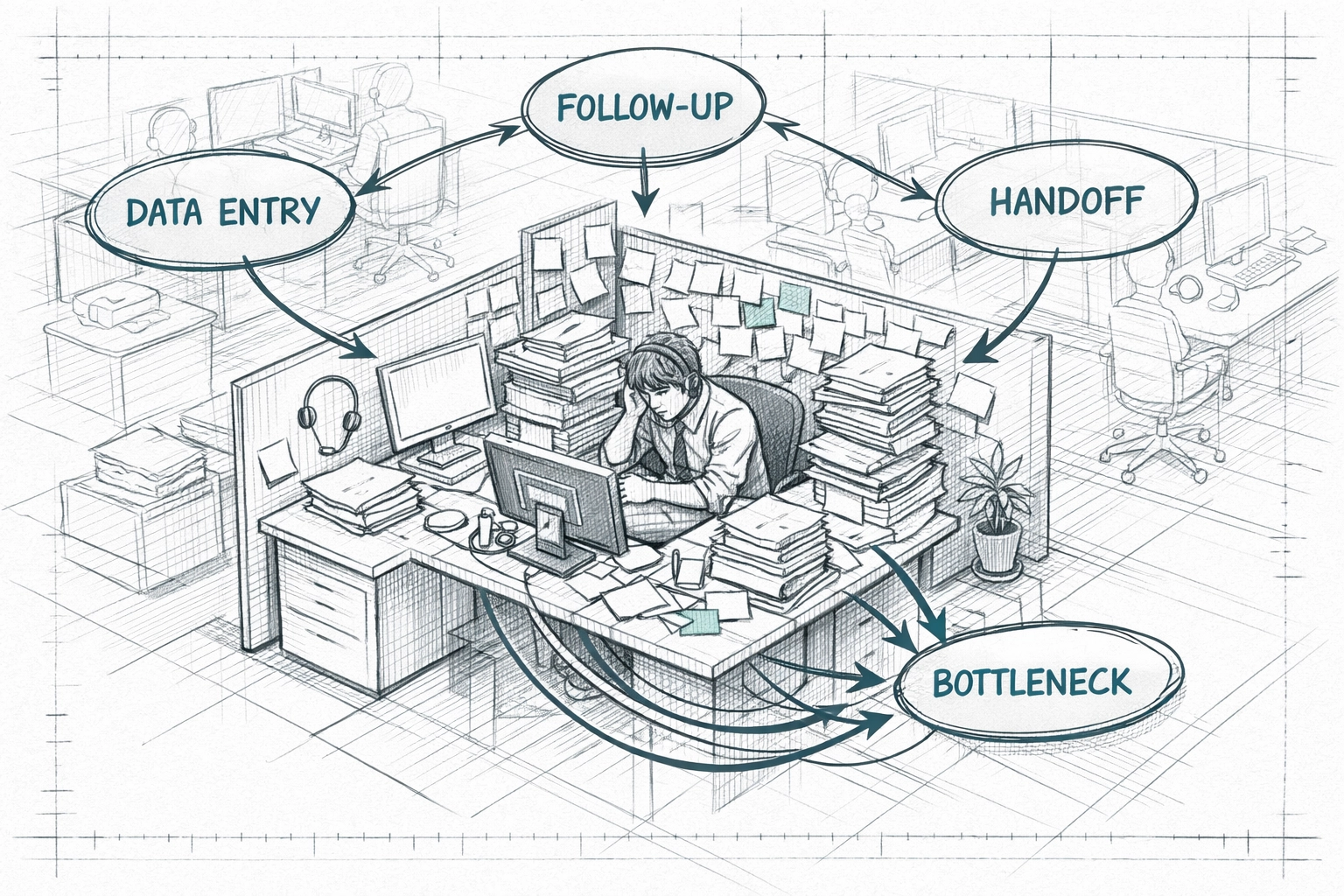
The term "Ghost Department" has become increasingly prevalent in the 2026 corporate landscape. It generally refers to a functional unit within an organization: often sales or marketing: that exists on the organizational chart but lacks the actual human capacity or technological resources to produce meaningful output. These departments are often overwhelmed by manual data entry, fragmented communication, and a lack of scalable processes.
Restoring capacity to these "ghost" units does not always require a massive increase in headcount. Instead, many organizations are finding that the strategic integration of sales automation and CRM automation can bridge the gap between existing resources and required performance levels. By leveraging external B2B lead generation services, a company may effectively "re-flesh" these departments without the overhead of traditional hiring.
1. Defining the Capacity Crisis in Modern Sales
Capacity is often lost in the "friction" of daily operations. When sales professionals spend more time updating spreadsheets than they do engaging with prospects, the department begins to ghost its own revenue targets. This phenomenon is frequently the result of outdated legacy systems that do not communicate with one another.
The integration of pipeline automation is a primary method for reclaiming this lost time. By automating the movement of leads through various stages of the funnel, organizations can ensure that no prospect is forgotten due to human error or administrative backlog.
A. Identifying the Signs of a Ghost Department
Consistent failure to follow up on inbound leads within the first 24 hours.
A reliance on manual data entry for CRM updates.
High turnover in junior sales roles due to "burnout" from repetitive tasks.
Inaccurate sales forecasting due to fragmented data sources.
2. Leveraging CRM Automation to Solidify the Foundation
A CRM should function as the central nervous system of a business. However, without CRM automation, it often becomes a graveyard of stale data. Integrating automation allows for real-time data synchronization across all platforms, ensuring that the information available to your team is both current and actionable.
Generally speaking, when a CRM is properly automated, it reduces the administrative burden on the sales team by up to 30%. This restored capacity can then be redirected toward high-value activities, such as closing deals and building client relationships. You may find that your current staff is more than capable of handling a higher volume of sales if the "busy work" is removed from their daily schedule.
Before selecting a specific tool, it is often beneficial to review the fundamental requirements of your organization. For more information on this, you may view our post on 10 things you should know before choosing sales automation software.
3. The Role of Pipeline Automation in Scalability
Pipeline automation involves the use of software to manage the flow of prospects through the sales cycle. This includes automated email sequences, trigger-based task assignments, and AI-driven lead scoring. In 2026, these tools have moved from "optional" to "essential" for companies looking to maintain a competitive edge.
When a ghost department is integrated with a robust pipeline, the results are often immediate. The system ensures that leads are nurtured consistently, regardless of the internal team's current bandwidth. This creates a "safety net" that prevents revenue leakage.
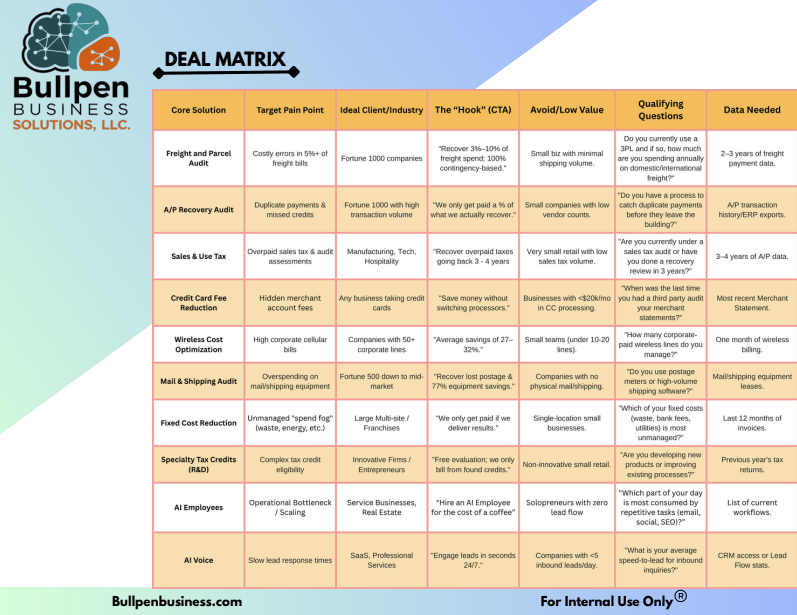
As shown in our Deal Matrix, identifying the specific pain points: such as stagnant pipelines: is the first step toward selecting the right automation partner. By focusing on target pain points, we help organizations identify which boutique firms can provide the specific pipeline automation tools required to restore operational capacity.
To understand why this has become a standard in the current year, you may read our analysis on why everyone is talking about pipeline automation in 2026.
4. External Support: B2B Lead Generation Services
Sometimes, the ghost department is simply too small to handle the volume of the market. In these instances, integrating B2B lead generation services from a boutique firm can provide the necessary "muscle" to support your internal team. These services act as an extension of your company, identifying potential clients and qualifying them before they even reach your sales representatives.
Bullpen Business specializes in connecting companies with these high-performance boutique firms. These partners often utilize proprietary sales automation stacks that would be too costly or complex for a single company to build in-house.
B. Benefits of Outsourced Lead Generation
Cost Efficiency: You only pay for the results or the specific service level, avoiding the taxes and benefits associated with full-time hires.
Expertise: Boutique firms focus exclusively on lead generation, meaning they stay current on the latest trends and technologies.
Speed to Market: An external service can often be deployed in a fraction of the time it takes to recruit and train a new internal team.
5. Appointment Setting Services: Converting Leads into Conversations
The final bridge in restoring capacity is the transition from a "lead" to a "meeting." Appointment setting services are designed to take the qualified leads generated by your automation and turn them into scheduled calls on your team’s calendar.
When your internal team only has to focus on attending meetings with qualified prospects, their capacity for closing deals increases exponentially. The "ghost" elements of cold calling and initial outreach are handled by experts, allowing your primary staff to do what they do best: sell.
6. A Structured Approach to Integration
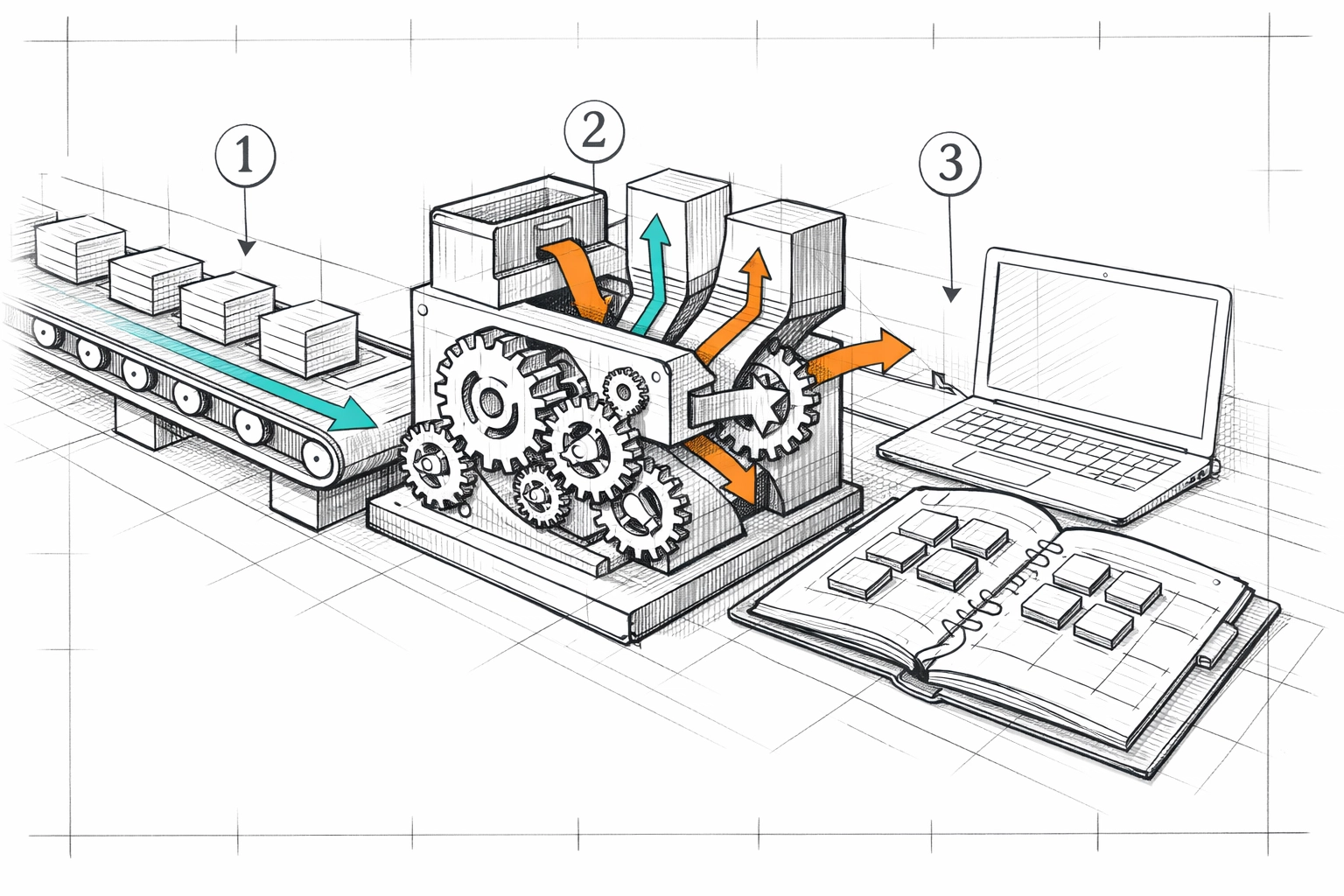
Integrating these technologies and services into a "Ghost Department" requires a methodical approach to avoid disrupting existing (albeit limited) workflows. We recommend the following steps:
A. Audit Current Workflows: Document every manual step currently taken by your sales team. This will highlight where sales automation will have the most significant impact.
B. Data Cleanup: Before implementing CRM automation, ensure that your current database is clean. Automated systems are only as effective as the data they process.
C. Pilot a Service: Instead of a full departmental overhaul, consider starting with a targeted project using B2B lead generation services to prove the ROI of an external partnership.
D. Scale Based on Results: Once the pilot proves successful, you can expand the use of appointment setting services and more complex pipeline automation tools.
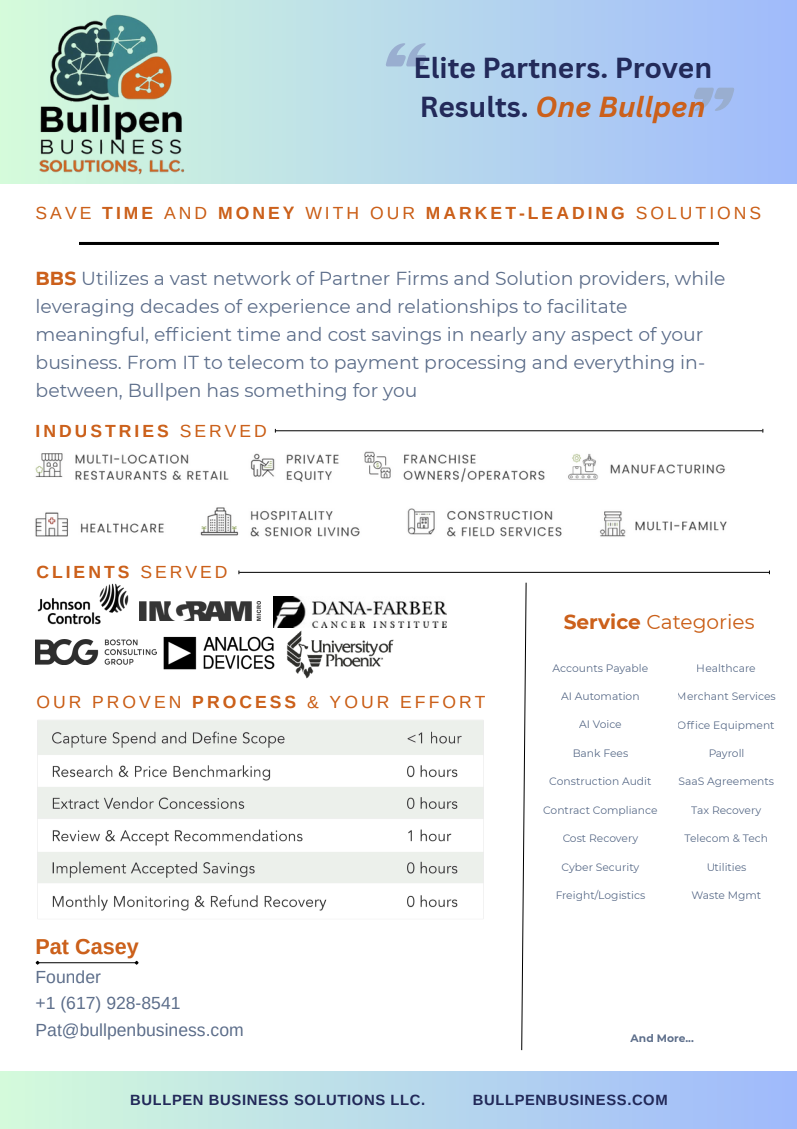
As outlined in the Bullpen Business overview, our process is simplified to require minimal client effort. We navigate the network of partner firms on your behalf, ensuring that the solutions implemented are market-leading and tailored to your specific industry.
7. Measuring the Return on Investment (ROI)
When capacity is restored, the ROI should be visible in multiple areas of the business. While the most obvious metric is increased revenue, other factors should be considered:
Customer Acquisition Cost (CAC): Does the use of automation and external services lower the overall cost of acquiring a new client?
Sales Cycle Length: Has pipeline automation shortened the time it takes to move a lead from initial contact to a closed contract?
Employee Retention: Is your internal team more satisfied now that they are focused on high-level strategy rather than data entry?
Depending on the complexity of your organization, the ROI may manifest over a period of three to six months. It is important to maintain realistic expectations and monitor data points consistently through your newly automated CRM.
8. Conclusion
The transformation of a "Ghost Department" into a high-capacity revenue engine is a strategic necessity in 2026. By integrating sales automation, CRM automation, and specialized B2B lead generation services, you can ensure that your organization remains profitable and scalable without the need for excessive internal expansion.
Bullpen Business is dedicated to facilitating these connections. We provide a transparent, vendor-neutral approach to help you find the boutique firms that offer the exact tools and services your business requires. Whether you are seeking appointment setting services or a complete overhaul of your pipeline automation, we provide the expertise to guide your selection.
To explore how these solutions can be applied to your specific business model, you may book a consultation online or view our current list of pricing plans for access to our curated vendor network. Restore your company's capacity today and stop the cycle of departmental ghosting.
Comments