%20(3)_edited_edited.png)


5 Steps How to Master Pipeline Automation and Self-Fund Your Next AI Move (Easy Guide for CFOs)
- Peter Casey
- Feb 28
- 4 min read

In the current fiscal climate, Chief Financial Officers are increasingly tasked with a paradoxical mandate: accelerate digital transformation and AI adoption while simultaneously tightening operational expenditures. The pressure to innovate is constant, yet the capital required for enterprise-grade AI initiatives is often locked away in inefficient, manual processes.
For many organizations, the sales funnel is the primary source of this "hidden" capital. Revenue leakage, high customer acquisition costs, and bloated administrative overhead in the sales department act as a significant drag on EBITDA. By mastering pipeline automation, your organization can capture these lost margins and create a self-funding mechanism for future AI investments.
Bullpen Business specializes in connecting mid-market and Fortune 1000 companies with boutique firms that specialize in these high-impact efficiencies. This guide outlines the strategic framework for automating your pipeline to drive profitability.
The Financial Case for Pipeline Automation
Pipeline automation is not merely a technological upgrade; it is a fundamental shift in how human capital is deployed. When your sales team spends 60% of their time on non-revenue-generating activities: such as manual data entry, lead qualification, and meeting scheduling: your "cost per lead" and "cost per acquisition" metrics are artificially inflated.
By implementing sophisticated sales automation, you effectively lower the break-even point of every customer contract. This recovered margin can then be redirected into advanced AI employees or autonomous workflows, creating a virtuous cycle of efficiency.
Step 1: Map Your Current Workflows Honestly
The first step in any automation initiative is a rigorous audit of existing manual workflows. You cannot automate a process that you do not fully understand, and attempting to do so often results in "automating the chaos."
For the CFO, this means documenting exactly how data moves from a cold prospect to a signed contract. You must identify where manual handoffs occur and where data silos exist. Common friction points include:
Manual lead entry from web forms into the CRM.
Human-led lead scoring that is subjective and inconsistent.
Administrative bottlenecks in the appointment setting services workflow.
By establishing this baseline, you can pinpoint the highest-impact areas where pipeline automation will deliver immediate, measurable ROI.
Step 2: Prioritize High-ROI Sales Automation
Once the workflow is mapped, you must prioritize automation based on financial impact. For most B2B organizations, the highest ROI is found in automating the "top of the funnel" and "middle of the funnel" activities.
B2B lead generation services and sales automation tools can handle the repetitive tasks of identifying prospects and initiating outreach. Instead of hiring additional headcount to manage outbound volume, automation allows your existing team to handle a significantly larger pipeline.
Consider the impact of automating your initial outreach. If a boutique firm can implement a system that handles 90% of prospect follow-ups without human intervention, the reduction in labor costs is immediate. You may find more insights on scaling without headcount in our guide: Can sales automation tools really help you scale without adding headcount?
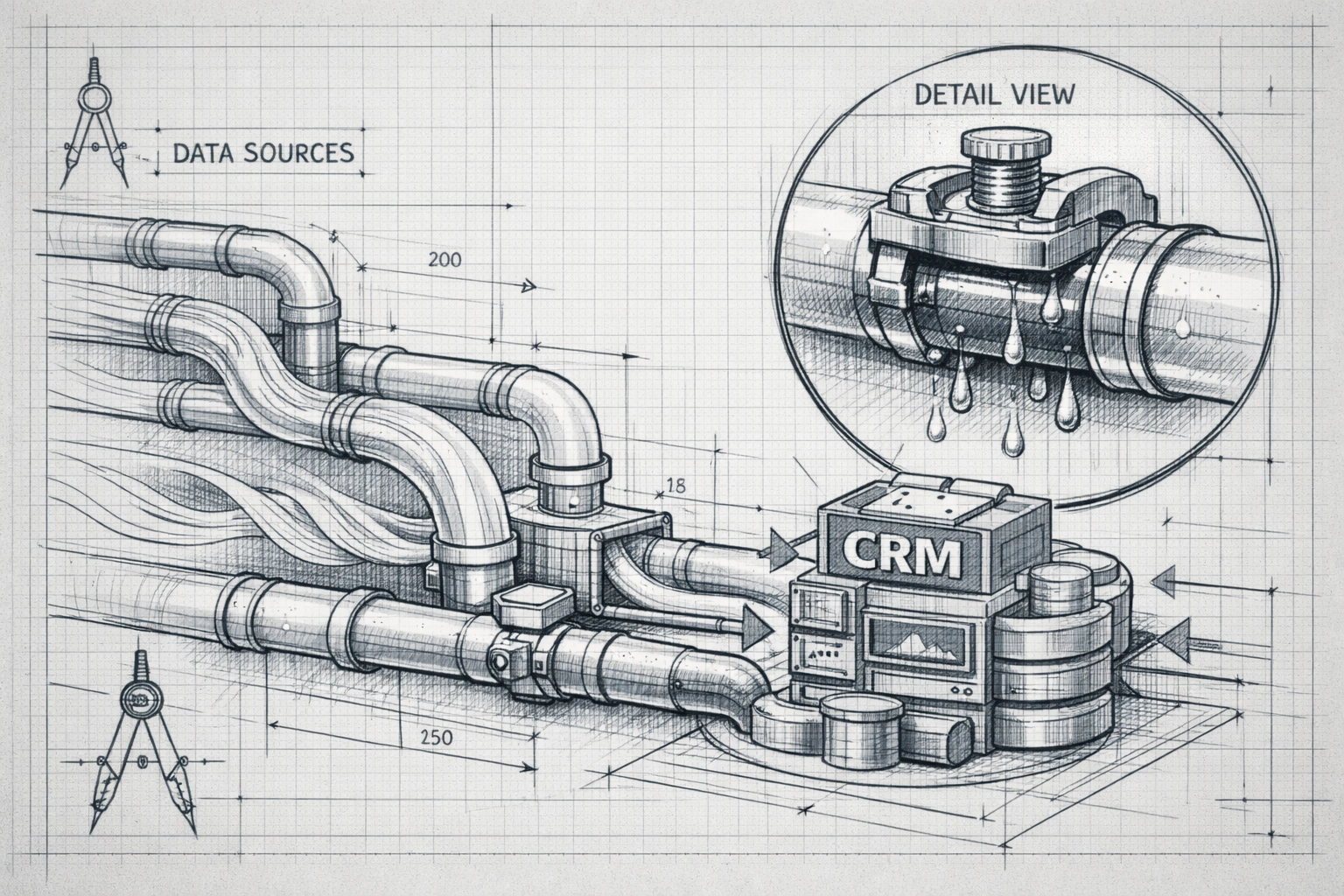
Step 3: Implement CRM Automation to Eliminate Leakage
A CRM is only as valuable as the data within it. However, manual data entry is notoriously unreliable. CRM automation ensures that every interaction, email, and discovery call is logged accurately without requiring effort from the sales team.
From a financial oversight perspective, CRM automation provides the "clean" data necessary for accurate revenue forecasting. When data is automated, you eliminate the risk of "forgotten" leads and ensure that your appointment setting services are operating at peak efficiency.
Errors in manual processing can lead to a 5% revenue leakage. By automating these workflows, you directly protect the top line while reducing the administrative burden on your staff. For a deeper look at avoiding common pitfalls, review 7 mistakes you’re making with CRM automation.
Step 4: Integrate Data for a Unified Pipeline
Isolated automation tools can create "automation silos" that prevent a holistic view of the business. To truly master the pipeline, your sales automation tools must communicate seamlessly with your financial systems.
Data integration allows for:
Real-time Cost Analysis: Instantly see the cost-to-acquire for various lead sources.
Automated Quoting and Contracting: Reducing the time between "closed-won" and revenue recognition.
Audit Readiness: Maintaining a transparent, automated trail of all customer interactions.
Bullpen Business helps companies navigate this integration by connecting them with vendors who offer a transparent, vendor-neutral model. This ensures your technology stack is built for scalability, not just immediate convenience.
Step 5: Measure, Optimize, and Reinvest
The final step is to treat the savings generated by automation as a dedicated investment fund. Once foundational workflows: like pipeline automation and CRM automation: are generating measurable gains (often 50–90% reduction in manual work), these funds should be allocated toward the next level of AI sophistication.
This "Self-Funding" model allows the CFO to approve AI initiatives without seeking new capital. You are essentially trading "wasted labor" for "AI equity."
Track your ROI in terms of:
Time gained per sales representative.
Reduction in customer acquisition costs (CAC).
Increase in pipeline velocity.
As these metrics improve, you can begin deploying more advanced "AI Employees" or autonomous agents that can handle complex negotiations or sophisticated data analysis.
How Bullpen Business Facilitates Your Transition
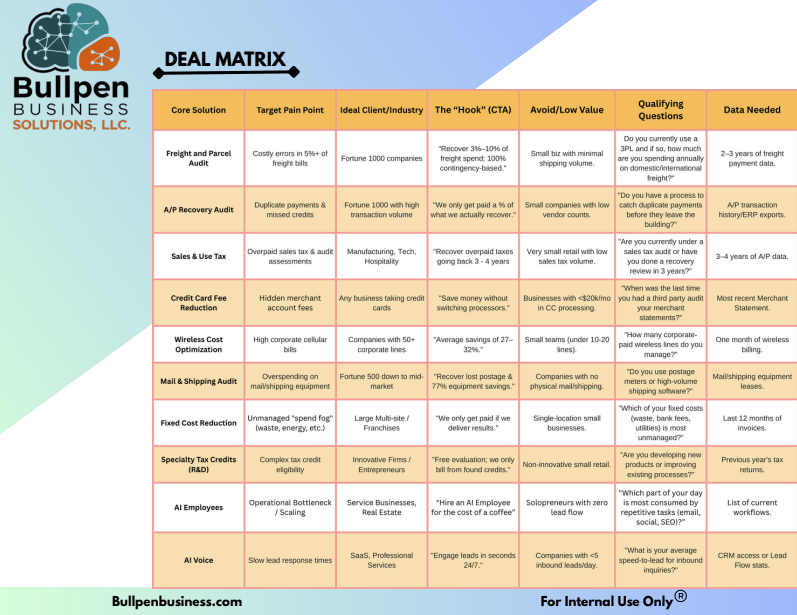
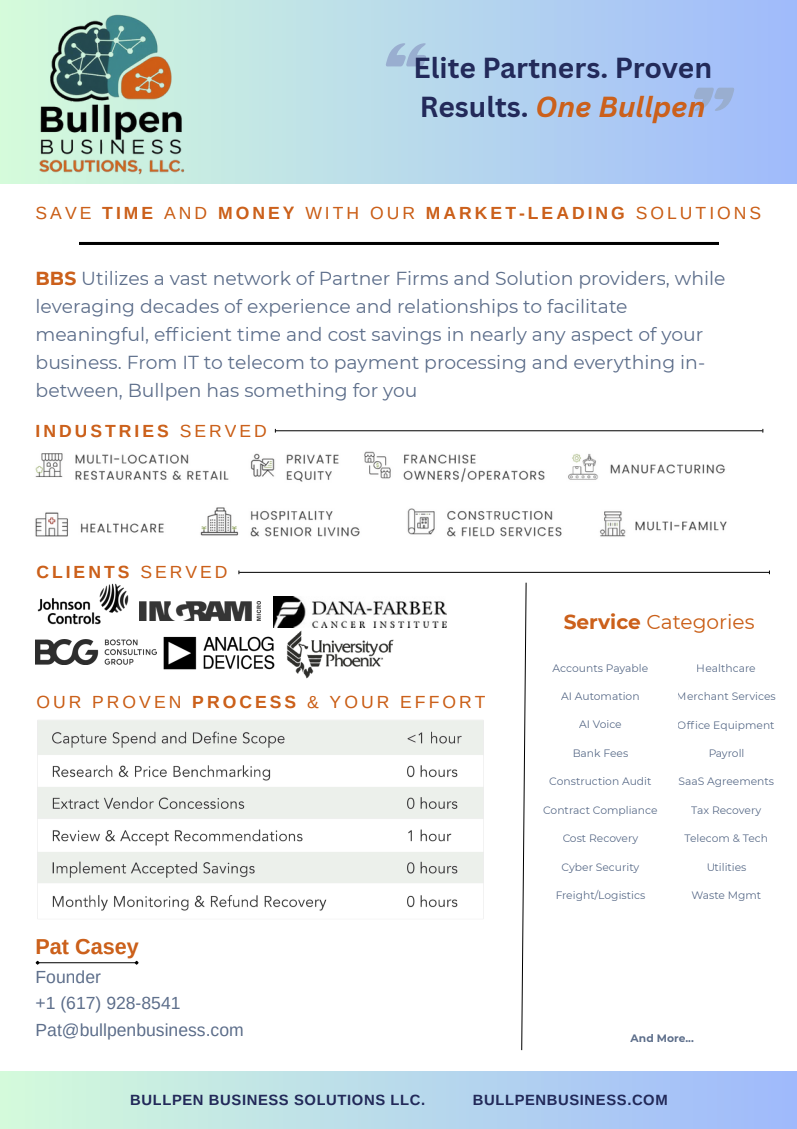
Navigating the landscape of sales automation tools and boutique consulting firms can be overwhelming for a busy executive team. Bullpen Business acts as your strategic partner, vetting the marketplace to find the highest-performing vendors that align with your specific needs.
Whether you are looking for specialized B2B lead generation services or comprehensive pipeline automation strategies, our curated ecosystem of partners ensures you get market-leading solutions without the search costs.
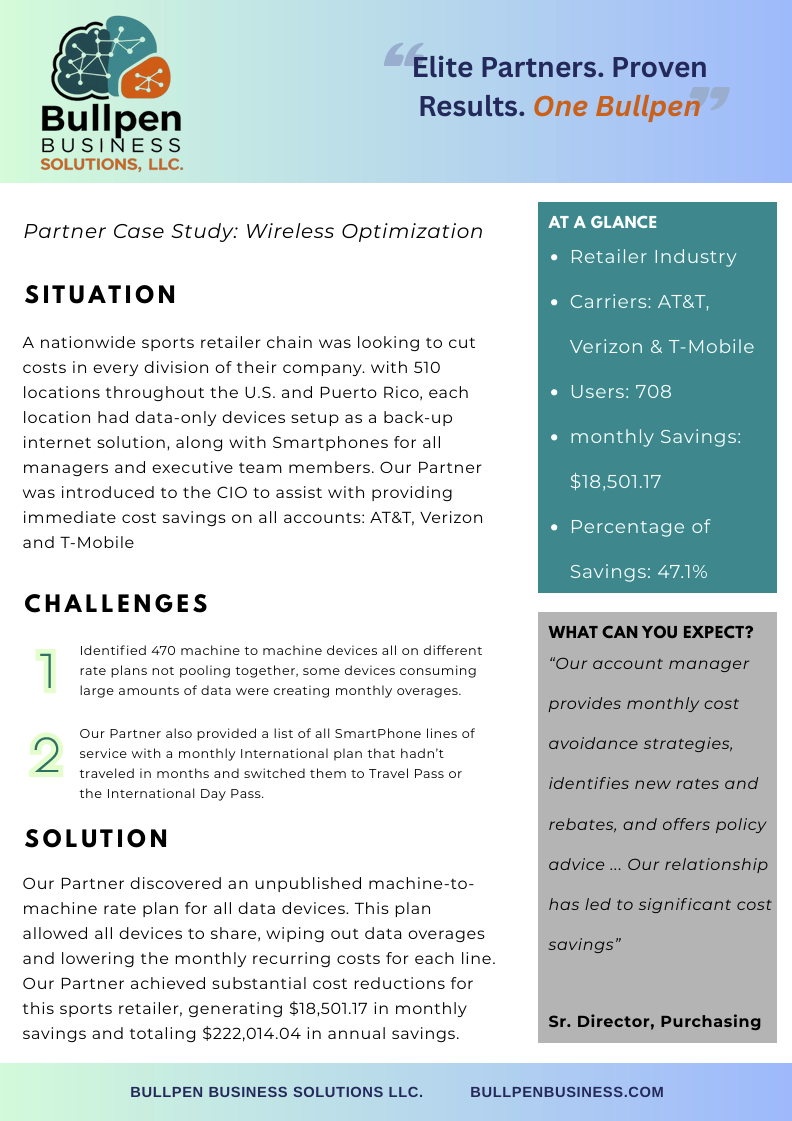
We have seen organizations achieve immediate cost reductions simply by correcting inefficient service plans and automating repetitive tasks. For example, our case studies show that optimization in just one area of the business can result in monthly savings of over $18,000: capital that is better spent on growth-focused AI.
Conclusion
Mastering pipeline automation is a strategic imperative for the modern CFO. It provides the financial breathing room necessary to innovate in an increasingly AI-driven market. By following these five steps: mapping workflows, prioritizing high-ROI automation, fixing the CRM, integrating data, and reinvesting the gains: you position your company for long-term profitability and technological leadership.
To begin your journey toward a self-funded AI future, explore our Quick Start Guide to Pipeline Automation or contact Bullpen Business to discuss how we can connect you with the boutique firms that will drive your next phase of growth.
For more information on the tools available to assist in this transition, you can view our pricing and plans or browse our extensive blog archive.
Comments